


You run a high-ticket service business. You sell outcomes, not hours. This is the value proposition we deliver.
But ignoring the underlying labor cost is financial negligence. If we cannot accurately measure the time investment required to deliver that outcome, our profit margins are built entirely on guesswork.
Guesswork is not a scalable business model. It is a liability that compounds with every successful project.
Maximizing agency profitability in 2025 demands moving beyond basic timesheets. It requires adopting integrated systems—tools that connect labor cost directly to realized client revenue.
We need forensic data to inform pricing structures, optimize resource allocation, and, most critically, stabilize our client retention strategy.
The Objective: This guide provides the strategic blueprint for selecting and implementing the right time tracking and profitability tools. Our goal is simple: Eliminate margin leakage and guarantee our agency’s long-term financial health.
The Essential Profitability Mandates for High-Ticket Agencies

- Profitability Over Vanity Metrics: Revenue is a vanity metric. If you focus solely on the top line, you are guaranteed to be supporting low-margin clients who are actively draining your agency’s cash flow and capacity.
- Manual Tracking is a Liability: Our data shows manual time logging introduces 20–30% inaccuracy. Automation is non-negotiable; you must leverage AI or automatic tracking systems to capture the true, uninflated cost of labor.
- Know Your Tool Stack: Your primary choice is between dedicated, single-focus Time Tracking systems (e.g., Toggl, Clockify) and integrated Professional Services Automation (PSA) platforms (e.g., Productive, Float) that handle billing, resource allocation, and time.
- Data Must Drive Action: Time tracking data is useless unless it directly informs two critical strategic areas: 1) Refining future project estimates for guaranteed profit, and 2) Identifying specific clients that require an immediate retainer increase or strategic termination.
The Profitability Mandate: Why We Track Every Hour
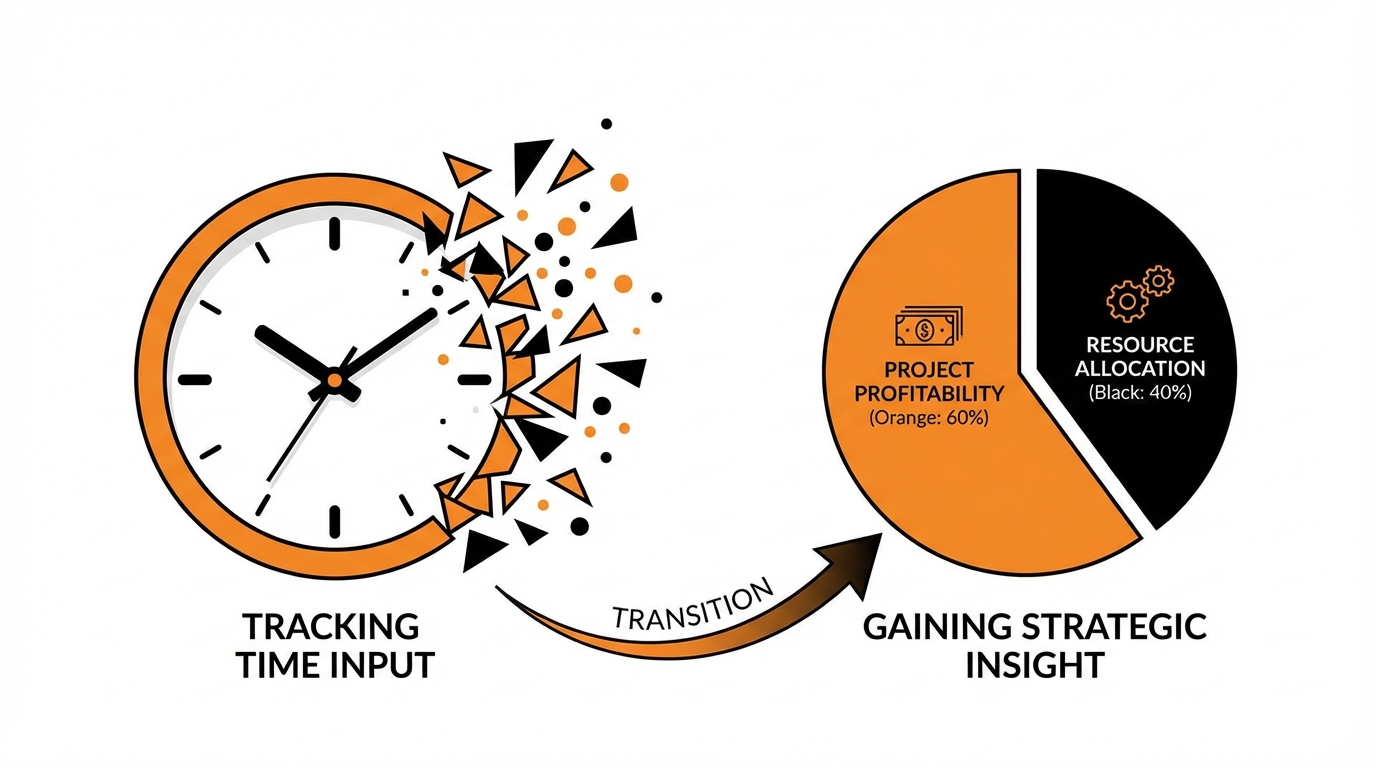
We do not track time merely to satisfy accounting requirements. We track time to establish immediate visibility into the bottlenecks that actively erode profit margins. Every hour logged is a data point, not a bureaucratic chore.
Every high-ticket agency faces the same core profit drains: scope creep, inefficient delivery processes, and the fatal error of over-servicing low-value clients. Time tracking is the critical sensor that alerts us to these issues before they become terminal financial liabilities.
The Core Equation: Labor Cost Must Be Visible
The agency profit equation is deceptively simple, yet constantly obscured by poor tracking:
Profit = Revenue – COGS (Cost of Goods Sold)
For a service business, the largest, most volatile component of COGS is labor. This includes direct salaries, benefits, and the necessary overhead allocated per hour worked.
Consider this: If you charge $10,000 for a high-value service but spend 150 internal hours delivering it, your effective hourly rate is dangerously low. Without accurate data, you are actively subsidizing client work with your agency’s cash flow.
“If you cannot determine the true labor cost of delivering a service, you are selling blind. We mandate that our teams log time against specific revenue streams to maintain 40%+ margins.”
Accurate time tracking provides the essential denominator for strategic profitability analysis. It allows us to calculate the true cost of delivery (TCD) per client, per service vertical, and even per team member.
This visibility is the foundation of strategic pricing, allowing us to pivot from reactive estimating to proactive, margin-driven quoting. If you want to dive deeper into how we calculate these numbers, read our guide on Agency Profit Margins: The 2025 Strategic Blueprint.
Step #1: Define Your Strategic Tool Requirements
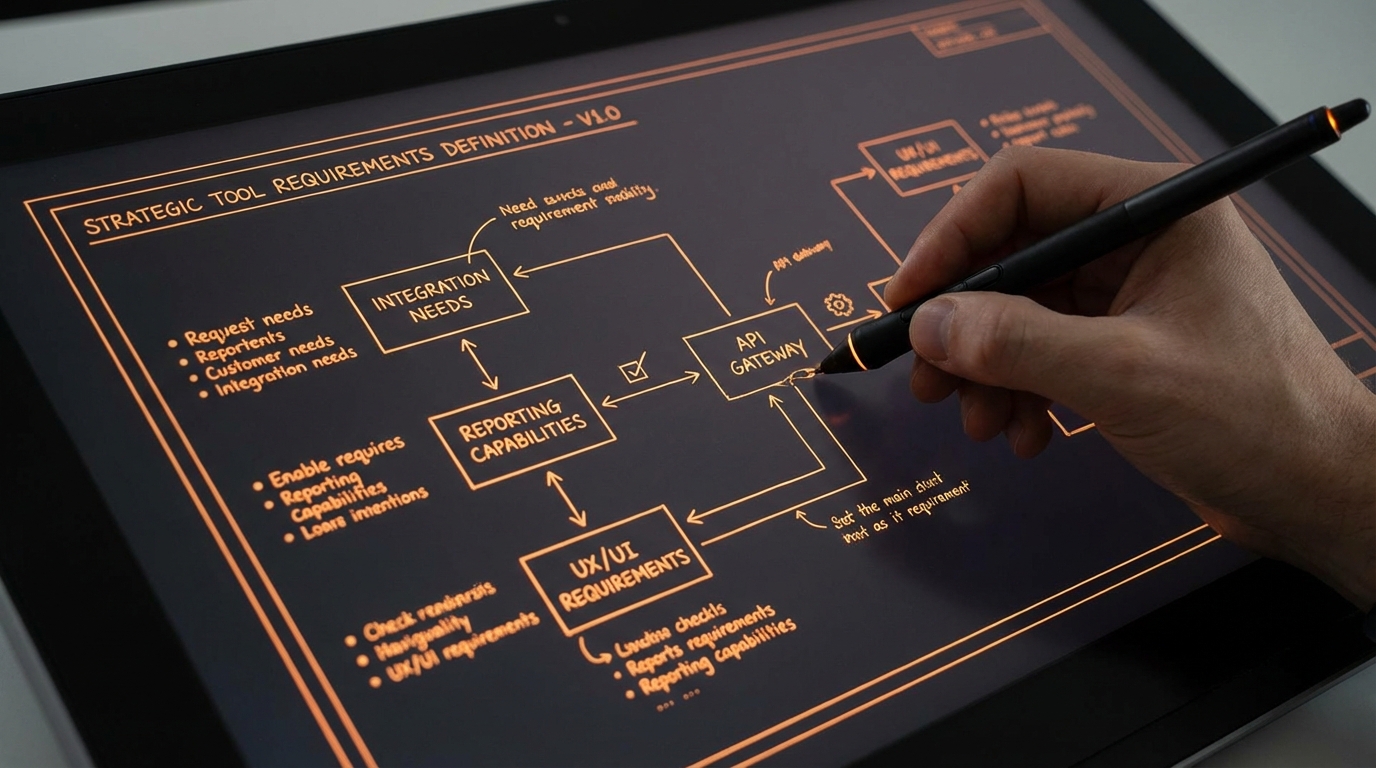
Agencies fail when they purchase features they do not need. Ignore the overwhelming feature list. Your selection must be based exclusively on how the tool solves your three core strategic needs:
- Accurate Cost Allocation: Connecting every time entry to a specific client project, allowing for granular calculation of actual project cost versus projected budget.
- Resource Management: Providing immediate visibility into team capacity—who is overloaded, who is approaching burnout, and who has capacity for new billable work.
- Invoicing and Reporting: Streamlining the painful process of turning raw tracked hours into finalized, client-ready invoices and crucial internal profit reports.
Billable vs. Non-Billable Tracking is Non-Negotiable
Every minute your team logs falls into one of two critical buckets. A sophisticated tracking tool must make the separation instantaneous and mandatory:
- Billable: Time directly charged to a client (e.g., SEO implementation, ad campaign launch, reporting delivery).
- Non-Billable: Internal tasks necessary for business operations but not generating direct revenue (e.g., training, sales outreach, weekly internal meetings, maintenance).
Why is this separation the first layer of tool efficiency? Because high non-billable time is not just an administrative issue—it is the clearest indicator of internal inefficiency or a fundamental lack of focus on revenue-generating activities.
Our internal benchmark requires client-facing roles to maintain billable utilization rates consistently above 70%. If a tool makes calculating this metric difficult, slow, or inaccurate, it is fundamentally useless for profit management.
Category Breakdown: Choosing the Right Solution Ecosystem
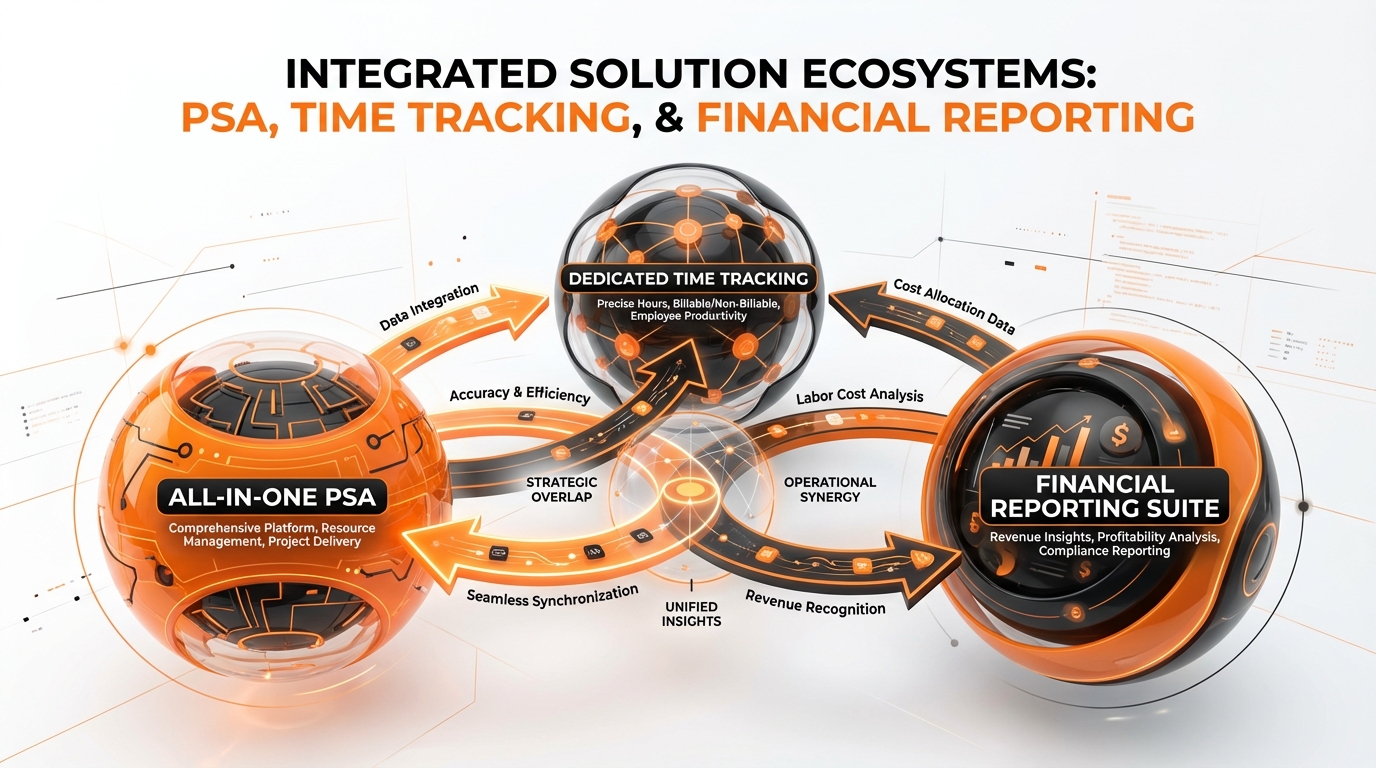
Now that you have defined your core strategic needs (Cost Allocation, Profitability Insight, Resource Optimization), we must categorize the available tools. The agency software market is segmented into two critical ecosystems. Your choice hinges entirely on your agency’s scale and operational complexity: simple time capture versus full operational control.
Category A: Dedicated Time Tracking (Simplicity First)
These tools are the foundation. They focus almost exclusively on accurate time capture and robust reporting. They excel in user adoption because they are simple, non-intrusive, and often act as the centralized time data engine that integrates seamlessly with other Project Management (PM) or Accounting tools.
- Toggl Track: Known for its clean interface and superior reporting capabilities. This is the choice for teams prioritizing ease of use and high adoption rates. It serves as an excellent, frictionless time engine.
- Clockify: Often praised for its generous free tier and widespread integrations. It is a workhorse for scaling agencies needing reliable, basic tracking without heavy-duty financial or resource planning features.
- Harvest: A veteran in the space. Highly focused on translating captured time directly into client invoicing and expense tracking. It offers strong integration capabilities with accounting software like QuickBooks.
Category B: Professional Services Automation (PSA) / All-in-One
These platforms are essentially ERPs for agencies. They unify time tracking with critical functions like project management, detailed resource planning, budgeting, and invoicing. They are designed for agencies seeking a single source of truth for all operational data, which is essential for managing complex retainers and large teams.
- Productive.io: Built specifically for modern agencies. It ties time tracking directly to utilization rates, budgets, and resource forecasts. If your goal is to manage capacity and profitability across 30+ clients efficiently, this is a strong contender.
- Float: Primarily a resource management tool that incorporated frictionless time tracking. It helps managers visually allocate staff and track actual time against forecasts—a strategic advantage for proactive capacity planning and utilization management.
- Timely: Uses AI and automatic memory logging to remove the burden of manual entry. This directly addresses the core issue of inaccurate data caused by employee forgetfulness. Employees review and approve the logged memories before they become official timesheets, ensuring accuracy and privacy.
Expert Comparison: 7 Top Agency Profit Tools
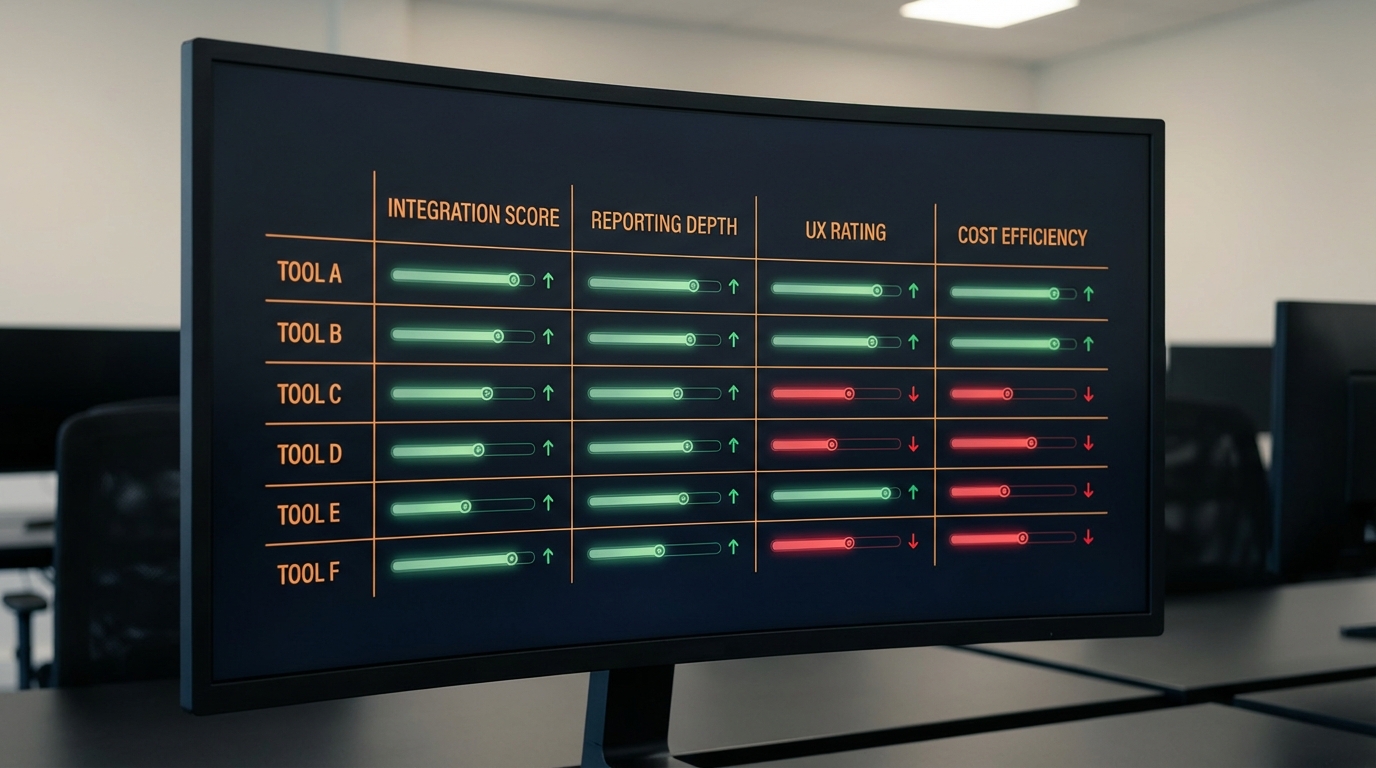
We have defined the two critical operational ecosystems: simple time capture and full Professional Services Automation (PSA). Now, we must assign the right solution to your specific needs.
We analyzed the market leaders based on the features that directly impact agency profitability and scaling potential in 2025. This is not merely a list of features; this is a comparison of strategic capability, classifying each tool by its primary function in the agency stack. Your choice here determines whether you achieve basic cost allocation or comprehensive operational control.
| Tool | Core Focus | Automatic Tracking (AI) | Built-in Resource Planning | Direct Invoicing/Budgeting |
|---|---|---|---|---|
| Timely | Memory-based Automation | Yes (High Accuracy) | Strong | Yes |
| Productive.io | PSA / Agency Management | No | Yes (Core Feature) | Yes (Full Suite) |
| Toggl Track | Simple Time Tracking | Limited/Timer Focused | Basic (Integrates with Toggl Plan) | Yes |
| Float | Resource Scheduling | No (Desktop Timer) | Yes (Visual Capacity) | Budget Monitoring |
| Harvest | Invoicing & Expense Tracking | No (Timer Focused) | Basic (Integrates with Forecast) | Yes (Core Feature) |
| Hubstaff | Productivity & Monitoring | No (Screenshots/Activity Level) | Basic | Yes (Payroll focus) |
| Clockify | Free & Simple Tracking | No (Timer Focused) | Basic | Yes (Paid Plans) |
Step #2: Integrating Tracking Data for Strategic Decisions

Collecting data is passive. Applying it is active strategy.
The goal is to move decisively from reactive billing to proactive margin protection. If you cannot analyze the data captured by your tools, the investment is wasted.
A. Identifying and Pricing Scope Creep
Scope creep is the silent killer of agency profitability. It is the incremental, unbilled work that pushes your actual labor costs far above the initial retainer fee. Agencies often absorb this cost until the project is already underwater.
A robust time tracking tool allows us to run “Actual Time vs. Estimated Budget” reports instantly. This is the critical reporting function.
If Project X was estimated at 40 hours but currently sits at 55 hours, you have an immediate, data-backed justification for a change order or a mid-contract negotiation.
This is how we turn internal data into external revenue. We stop absorbing costs and start protecting our margins proactively.
B. The Client Profitability Report: Dump the Dead Weight
Every agency has them: clients who consume 20% of your resources while generating only 5% of your profit. These relationships actively erode your overall agency margin.
Your time tracking tool must generate a Client Profitability Report that clearly outlines the following three metrics:
- Total Revenue from Client Y.
- Total Labor Cost (based on tracked hours multiplied by the internal hourly rate).
- Net Profit Margin (The only metric that truly matters).
If a client consistently operates below our target margin (e.g., below 30%), we have two non-negotiable choices:
- Option 1: Negotiate. Use the hard data to show them the real cost of service delivery. This is a non-emotional, data-driven conversation that positions you as the expert. Learn how to execute this successfully with our guide: Strategic Blueprint: Negotiate Higher Agency Retainers.
- Option 2: Terminate. Free up those overloaded resources for higher-value clients or new business acquisition.
Do not let bad clients subsidize your good clients. Time tracking prevents this fundamental erosion of agency profit.
Step #3: Implementation Strategy: Maximize Team Adoption

The most sophisticated software is worthless if your team resists accurate usage. Low adoption guarantees garbage data. Garbage data renders every profitability report useless—a direct threat to margins.
To ensure system integrity, we focus on two critical areas that drive adoption rates above 90%.
A. Privacy vs. Surveillance: Addressing the Cultural Barrier
Many team members resist time tracking because they fear micromanagement. They equate time tracking with surveillance. You must address this friction point immediately with clear, proactive policies.
- Anti-Surveillance Mandate: Select tools that explicitly prioritize user trust. Tools like Timely track activity but keep the memory private until the user chooses to log it. This separation is foundational to building team acceptance.
- Avoid Intrusive Monitoring: If your agency culture is based on trust and high performance, avoid tools that rely on constant screenshots or heavy activity monitoring (e.g., certain tiers of Hubstaff or Time Doctor). This signals deep distrust and actively destroys morale, costing more than the data gained.
- Frame Tracking as Protection, Not Punishment: Reframe the purpose. Explain that accurate logging protects the agency’s ability to maintain healthy margins, pay salaries, and fund growth. It is cost protection, not individual performance surveillance.
B. Standardize SOPs for Time Entry
Inconsistency is the primary destroyer of accurate reporting. We mandate ironclad Standard Operating Procedures (SOPs) defining exactly how time must be logged and categorized.
Define and enforce the following standards:
- Granularity: Define the maximum size of a time entry. (We recommend 15-minute blocks maximum. Anything larger obscures scope creep and hinders precise project post-mortems.)
- Mandatory Tagging: Require standardized, agency-wide tags for client work, internal projects (e.g., #sales, #training), and specific tasks (e.g., #SEO_Audit, #PPC_Campaign). Tags must be consistent across all projects and departments.
- Review Cadence: Implement a mandatory review cycle. Managers must review and approve timesheets daily or, at minimum, weekly. Catch errors immediately; waiting until monthly reconciliation guarantees lost revenue.
If you want to build ironclad processes around your operations, consult our guide: SOP Blueprint: Scale Your Agency Revenue in 2025.
Final Decision-Making Matrix
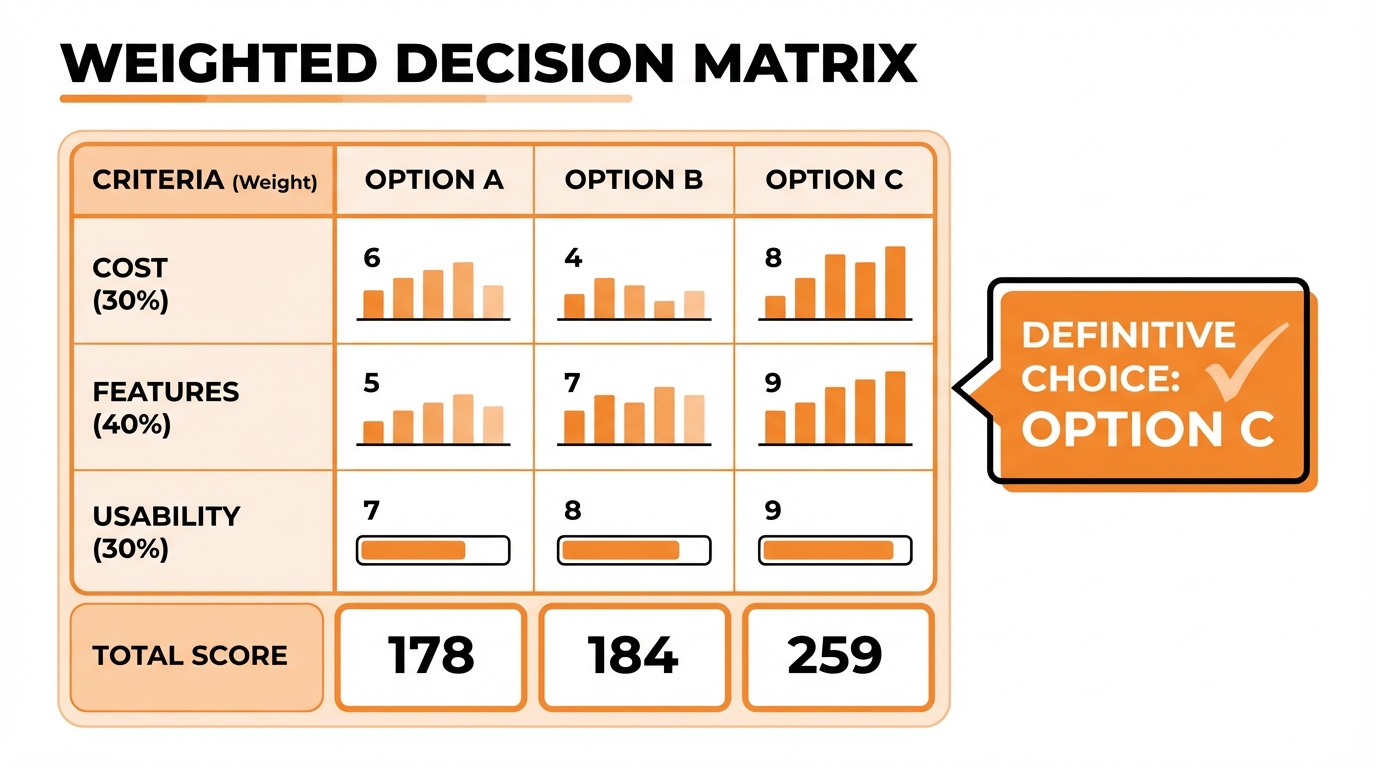
Before committing capital and operational time to implementation, answer these questions:
- Question 1: What is the single biggest operational gap we need to close?
- If it’s inaccurate data/forgetfulness: Choose an automated tool that minimizes manual entry (e.g., Timely).
- If it’s resource scheduling/capacity forecasting: Choose a comprehensive Professional Services Automation (PSA) tool (e.g., Float or Productive).
- If it’s simple time tracking and light invoicing: Choose a dedicated, light tracker (e.g., Harvest or Toggl).
- Question 2: What is the state of our existing technology stack?
- If you already have a robust Project Management (PM) tool (Asana, ClickUp), choose a dedicated tracker that integrates flawlessly (Toggl, Clockify).
- If you are starting fresh or replacing multiple disconnected systems, invest immediately in an all-in-one PSA solution. This avoids costly integration debt later.
The right platform decision is measured by its ROI: high adoption rates, accurate data, and the resulting ability to protect and increase your revenue. The best tool is the one that gets used consistently and provides data that directly helps you protect your margins.
Frequently Asked Questions

Q: Is manual time tracking still viable in 2025?
A: Absolutely not. Manual entry is a direct drain on profitability. It introduces massive inaccuracy and administrative overhead—it is non-billable time. Data consistently shows manual logging leads to under-billing (lost revenue) or over-billing (client friction). We strongly advocate for automated or AI-assisted tracking methods. Prioritize data integrity and eliminating non-billable admin time for your employees.
Q: Should I choose a simple tracker or a full PSA platform?
A: This choice depends entirely on your agency’s scale and strategic needs. We recommend using the following heuristic:
- Simple Tracker (Toggl, Harvest): Ideal for agencies under 10 employees utilizing a robust, separate Project Management (PM) tool (e.g., Asana, ClickUp). Focus is basic time capture.
- Full PSA Platform (Productive, Float): Essential for agencies with 10+ employees. These platforms integrate complex resource allocation, integrated budgeting, and forecasting. A PSA provides the strategic oversight required for scaling operations and detailed profitability analysis.
Q: How do we handle non-billable hours for profitability reports?
A: Non-billable time is crucial data—it is operational overhead that must be measured. You must track and categorize every hour, even if it doesn’t directly offset client revenue. Required categories often include “Internal Marketing,” “Sales Support,” “Admin,” and “Training.”
High non-billable time signals poor utilization and inefficient processes. You calculate agency-wide utilization by comparing total billable hours logged by your team against their total available working hours. This metric informs vital strategic decisions: hiring needs, process optimization, and accurate pricing models. Do not ignore this data.
Ready to take the next step?
Try AI Lead Generation Today
Click HereReferences
- What tools do you use for tracking profitability? : r/agency – Reddit
- Timely, automatic time tracking for consultancies, agencies and …
- Top Agency Time Tracking Tools to Save Time & Boost Profits
- 8 Best Agency Time Tracking Tools & Software Compared [2025]
- Time Tracking for Agencies: 7 Best Software Tools [2025]