

Most guidance on starting a blog is noise. It focuses on AdSense revenue or passive income myths.
We are not building a hobby. We are building a high-leverage digital asset optimized for lead generation and high-ticket conversion.
This is the strategic roadmap we use when launching new vertical sites. We prioritize authority, search engine E-A-T, and maximum monetization potential.
This is the system that helped us boost our revenue by 77%.
You need to stop thinking of content as writing. You must view it as a structured, profitable conversion system.
Key Takeaways: The Pyrsonalize Method
- Profitability First: Niche validation must confirm high-ticket monetization paths BEFORE setup. Generic niches are a volume trap we avoid.
- E-A-T is Currency: Your verifiable expertise (Founder, SDR Lead, Consultant) is your only competitive moat in 2025. Leverage it immediately.
- Structure Over Volume: Implement Content Silos (Step 6) to establish deep topical authority quickly. This signals definitive expertise to Google’s core ranking systems.
- Sandbox Bypass: Use manual, high-touch traffic sources (Pinterest, Forums, Email Lists) to validate content quality and accelerate authority building in the first year.
Here is the 3-Phase, 9-Step blueprint to launching a niche site designed for six-figure revenue and predictable lead flow.
Phase 1: Strategic Foundations (The Profitability Triangle)
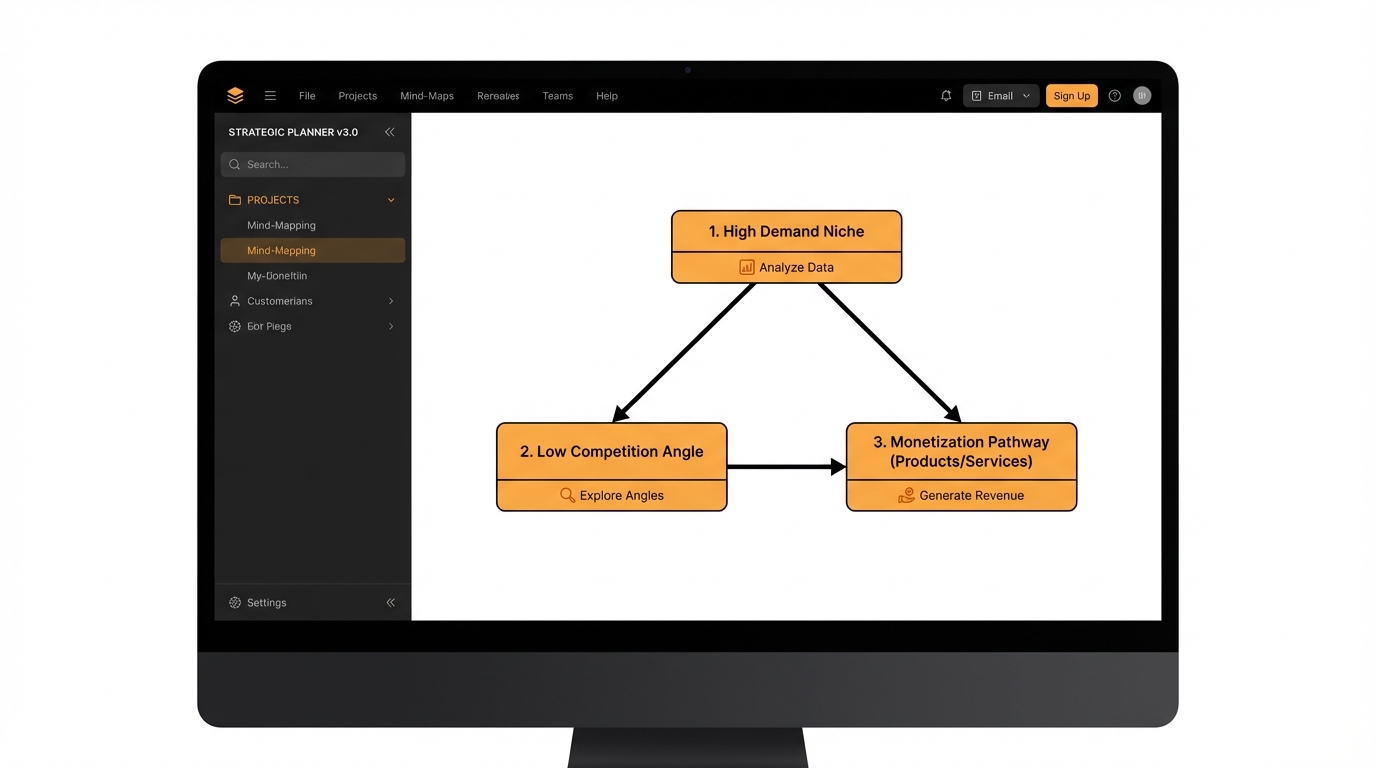
Strategy dictates scale. Skip this phase and your blog becomes a low-leverage hobby.
If you miss these first three steps, your site cannot generate more than $500 per month. We build assets that capture qualified leads, not display ad revenue.
Step #1: Defining Your Profitability Triangle
A profitable niche is not random. It requires the intersection of three non-negotiable factors.
If one angle is structurally weak, the entire project fails to launch financially.
These are the three angles we validate:
- Expertise/Authority: Do you possess verifiable credentials? Can you credibly position yourself as the definitive expert (E-A-T)?
- Audience Demand (High-Cost Pain): Is the audience actively searching for solutions to an expensive problem? We require significant search volume tied to deep, high-value pain points.
- High-Leverage Monetization: Can you sell products worth $500 or more? This includes high-commission software affiliates, proprietary SaaS tools, or $5k+ consulting services.
Rookies prioritize #1 (Personal Interest). This leads to well-written content that yields zero revenue because demand or monetization is non-existent.
We prioritize #2 and #3 immediately. The entire goal is generating qualified leads for high-value services. For our founders, this is the most reliable new channel for client acquisition. If you are a founder, this is your new The 4-Week Velocity Model: Profitable B2B Consulting Launch channel.
Step #2: The Niche Down Funnel
Generic niches are a competition trap. You cannot compete with billion-dollar organizations dominating terms like “Digital Marketing” or “B2B Sales.”
You must hyper-target a sub-niche. This is non-negotiable.
Niche compression achieves two critical, immediate objectives:
- It reduces immediate SEO competition by 90% (lower keyword difficulty).
- It allows us to establish undisputed Authority faster,you become the default expert.
This is the funnel structure we apply to every new vertical site:
- Broad Niche: Lead Generation (Too wide)
- Narrow Niche: Cold Email Outreach (Competitive)
- Sub-Niche (Target): Cold Email Outreach for SaaS Founders in the Fintech Space. (Targeted conversion system)
The objective is simple: Be the only viable expert in the smallest, most profitable market segment. This is the foundation for high velocity, high conversion rates, and predictable lead flow.
Step #3: Validating Your Niche (The Pre-Launch Checklist)
Do not buy the domain name yet. We must confirm audience pain and monetization viability first. This is mandatory validation.
3.1. Competitor Monetization Audit
Analyze the top 10 ranked competitors in your specific sub-niche. Focus on what they are selling,not what they are writing about.
- Low-Leverage Signal: They rely heavily on Display Ads (AdSense/Mediavine). This means the buyer intent is low, and the niche requires unsustainable traffic volume.
- High-Leverage Signal: They use content to qualify leads for proprietary SaaS tools, high-ticket courses, or $5,000+/month consulting packages. This confirms high buyer intent and high revenue per visitor.
3.2. Problem Auditing via Pain Points
We need raw, unfiltered data on audience pain. Go directly to where your target audience complains:
- Specialized B2B Slack channels.
- Industry LinkedIn posts (check the comments).
- Niche subreddits or focused forums.
What specific questions are asked repeatedly? These recurring, expensive pain points are your first 10–20 high-intent, long-tail keywords (See Step #7).
If you cannot find specific, recurring, painful questions, the demand is too shallow. Abandon the niche immediately. We do not chase imaginary problems.
This comparison table clarifies the structural difference between building a scalable asset and building a low-leverage volume trap.
| Metric | Low-Leverage Niche (e.g., General Recipes) | High-Leverage Niche (e.g., AI Lead Generation for SDRs) |
|---|---|---|
| Primary Monetization | Display Ads (Low RPM). AdSense RPM 2026: Niche Blog Optimization Blueprint is necessary just to break even. | Proprietary Software Trials, High-ticket consulting, $1,000+ courses. |
| Traffic Required for $5k/mo | 250,000+ sessions/month. (Volume Trap). | 5,000 – 10,000 highly qualified sessions/month. (Conversion Focus). |
| E-A-T Requirement | Low (Personal anecdotes suffice). | High (Verifiable industry credentials and results). |
Phase 2: Technical Setup & Minimum Viable Launch
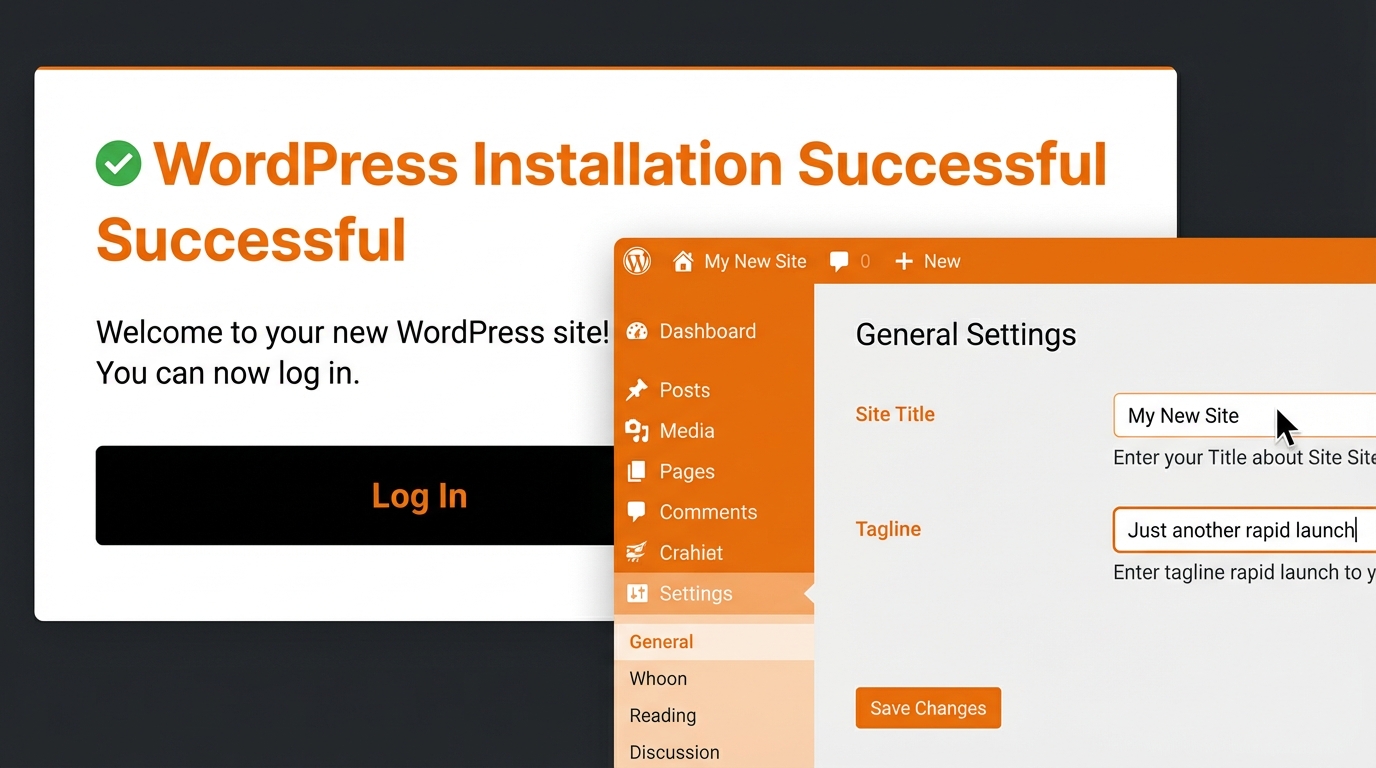
Phase 2 is about efficiency. Do not overspend on vanity design. Focus strictly on speed, structure, and E-A-T compliance. These three elements are the non-negotiable technical foundations of authority and scale.
Step #4: Choosing the Right Platform and Hosting for Scale
We are building a high-conversion asset, not a hobby blog. The platform decision is non-negotiable: You must use a self-hosted WordPress installation. Free platforms kill control, signal low professionalism, and prevent true scaling.
The Hosting Rule: Speed is Profit.
Speed is a critical ranking factor. Core Web Vitals are no longer optional,they dictate organic visibility.
- Use a reputable managed WordPress host (e.g., Kinsta, WP Engine, Liquid Web). Invest here; cheap hosting costs you traffic.
- Prioritize speed optimization from Day One.
- Use a lightweight, fast theme (e.g., GeneratePress, Astra).
Avoid excessive plugins and complex page builders initially. They introduce bloat and tank your load times. We optimize for content delivery speed, period.
Step #5: Establishing E-A-T (Author Authority)
Expertise, Authoritativeness, and Trustworthiness (E-A-T) is the algorithm’s gatekeeper. It dictates whether Google will even consider ranking your content.
In the current age of AI content proliferation, E-A-T is your only reliable defense. You must signal deep authority immediately.
The Authority Blueprint:
- The Author Box: Every post must link to a detailed author bio establishing credentials. Use real titles that convey expertise: “Head of Sales,” “Fractional CMO,” “SaaS Founder.”
- The About Page: This page must function as a high-conversion landing page for your credibility. Detail quantifiable results, case studies, and your professional journey. Don’t just tell us who you are; prove your expertise.
- Trust Signals: Include detailed, professional contact, privacy, and terms pages. Trustworthiness is signaled by radical transparency and compliance.
Your professional experience is your single largest competitive advantage. If your niche is lead generation, your title and quantifiable past success must validate the content on every single page.
Step #6: Structuring Content Silos (The SEO Framework)
Random publishing guarantees wasted resources. Google needs to understand your site’s deep, focused topical coverage. We use Content Silos,also known as Topic Clusters,to funnel ranking authority efficiently and accelerate organic growth.
The Silo Structure:
- The Pillar Page (The Hub): This is a massive, authoritative guide (3,000+ words minimum). It covers a broad sub-topic (e.g., “The Definitive Guide to B2B Personalization”). This content targets competitive, high-volume head terms.
- The Cluster Content (The Spokes): These are 5-10 specific, actionable articles (1,000-2,000 words). They address individual, granular sections of the Pillar (e.g., “How to Use AI to Validate Personal Emails,” “5 High-Converting Personalization Variables”). These articles target long-tail, high-intent keywords.
The Mandatory Internal Linking Rule:
- All Cluster Content must internally link back up to the Pillar Page.
- The Pillar Page must link down to all Cluster Content.
This structure funnels link authority directly to your main hub. It signals to Google that you are the definitive, expert source for that entire topic. This acceleration mechanism is required for scaling past the initial 10,000 traffic mark.
Phase 3: Growth, Traffic, and Profit
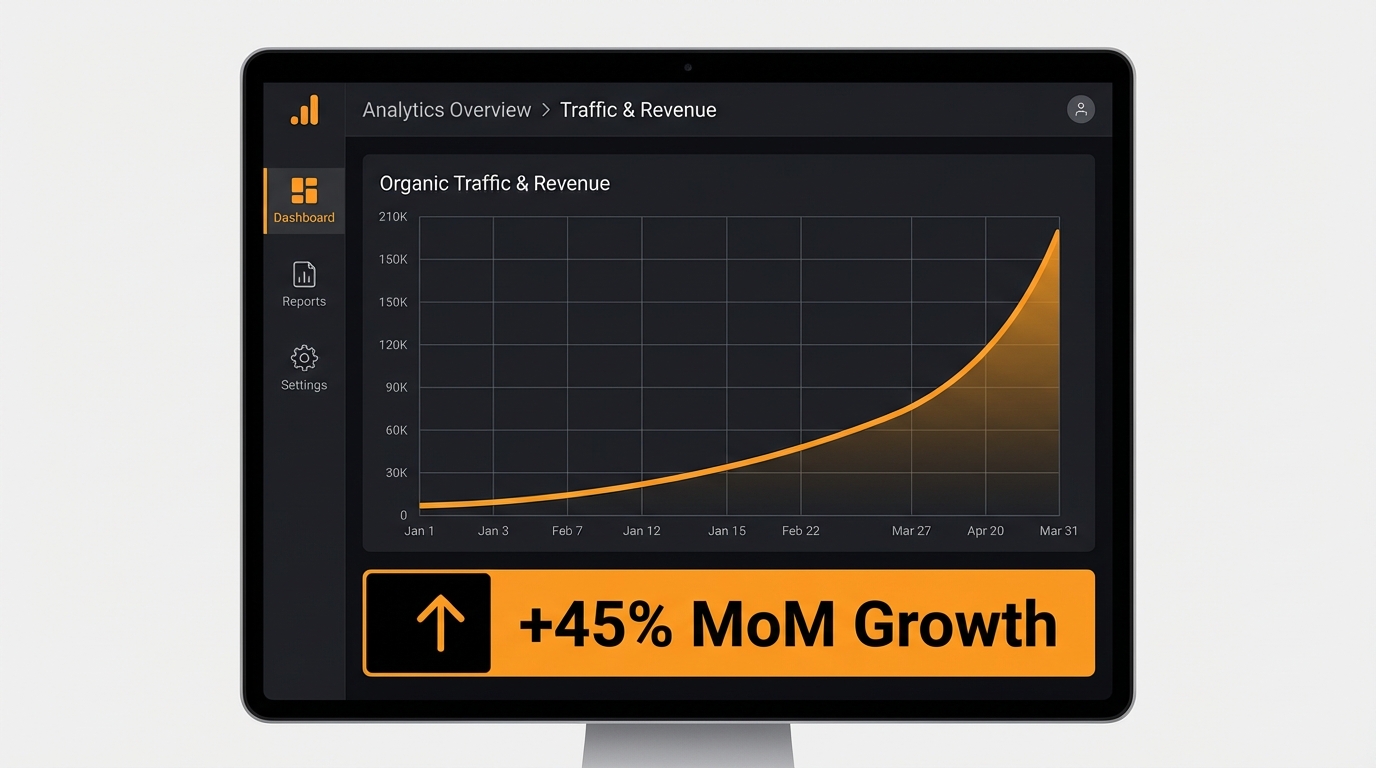
Step #7: Advanced Keyword Strategy: Targeting Long-Tail Clusters
long-tail keywordsThe Low-Competition Keyword Playbook:
- 4+ Word Phrases: Longer phrases mean lower competition. They also signal clearer, higher intent from the user.
- Intent Focus is Mandatory: Target keywords with clear commercial intent. Think: “best alternative to X for Y team,” or “how to implement Z feature step-by-step.” These users are ready to act.
- Google Suggest Audit: Use the “People Also Ask” and related searches sections religiously. Google validates these as real user problems. Your job is to answer them better than anyone else in existence.
Step #8: Bypassing the Google Sandbox with Manual Traffic
The High-Leverage Traffic Strategies:
- Pinterest Optimization: Pinterest indexes content almost instantly. Create 5-10 high-quality, keyword-optimized pins for every new article. This drives immediate, measurable traffic. It instantly validates your content’s Time on Page metrics.
- Targeted Forum Engagement (Quora/Reddit): Find relevant, high-traffic subreddits or Quora questions directly related to your article’s topic. Provide a genuinely helpful, in-depth answer first. Link back to your article only as the ultimate resource, not as a sales pitch.
Step #9: The Monetization Stacking Plan
Phase I: Capture and Affiliate (Months 1-6)
- Mandatory Email Setup: Every single piece of content must have an integrated lead magnet. This might be a specific template, a workflow checklist, or an exclusive video. Our goal here is a non-negotiable 5–10% conversion rate on traffic.
- High-Commission Affiliate Integration: We integrate high-value software or tool affiliate links only where they directly solve the problem discussed. We focus strictly on $100+ commissions. Avoid low-value, $5 affiliate links; they dilute your authority and waste space.
Phase II: Proprietary Digital Product Creation (Months 6-18)
- Low-Ticket Offer ($27–$97): Develop a starter eBook or template pack. It must solve a single, urgent problem identified through analyzing your email replies and subscriber pain points.
- High-Ticket Offer ($497+): This is the authority play: A comprehensive course, mentorship program, or proprietary template library based entirely on your high-performing Content Pillars. This positions you as the definitive market expert, justifying the premium price point.
Frequently Asked Questions (FAQ)
How fast can I see measurable ROI?
Initial, measurable revenue arrives within 6–9 months. This includes affiliate commissions or direct consulting leads.
Replacing a full-time income is a longer strategic play: Budget 18–36 months of rigorous, strategic publishing (2–3 authority articles per week minimum).
Should I use AI writing tools for content creation?
Yes, but only as an efficiency multiplier. AI is a tool; it is not a replacement for expertise. We use AI heavily for:
- Research structuring and data aggregation.
- Outlining complex articles.
- Drafting basic informational content (Tier 2/3).
Critical point: AI should never write the final draft of your Pillar content. Your unique E-A-T (Expertise, Authority, Trust,covered in Step 5) is the fundamental value proposition AI cannot replicate.
What is the absolute minimum cost to launch a professional site?
You need quality hosting and a professional domain. Period. Expect to spend $150 – $300 USD annually for high-speed managed hosting and domain registration.
Cutting corners on hosting speed is structural negligence. It guarantees poor SEO performance and slows down conversion rates. We do not compromise on infrastructure.
Ready to convert traffic into revenue?
Your blog traffic is worthless without a conversion system. The next step is immediate monetization. We built Pyrsonalize to identify and engage high-value leads.
Use our AI-powered tool to find validated client emails and start converting passive traffic into predictable revenue streams.
Start Your Free TrialReferences
- Crafting a Profitable Blog Niche: A Step-by-Step Guide – Medium
- My 3 Essential Steps to Building a Profitable Blog in a Tiny Niche
- How To Choose a Profitable Blog Niche – Blog Savvy Panda
- How To Create and Grow a Niche Blog – The Website Flip
- How to Start a Blog in 2025 – Easy Guide to Create a Blog for …