
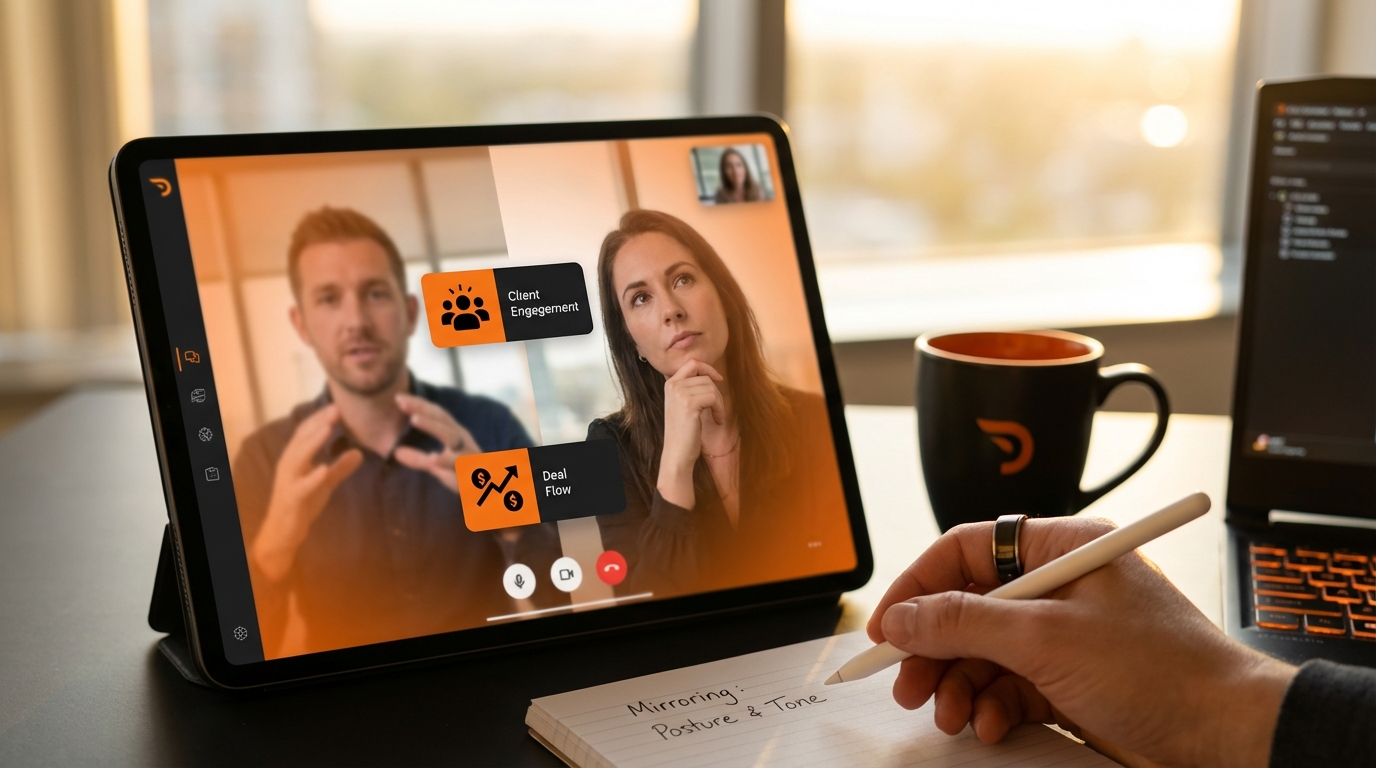

The shift to remote selling has fundamentally altered the dynamics of high-stakes negotiations. In 2025, if you are still relying on generalized in-person body language guides, you are operating at a significant disadvantage.
Virtual negotiation is not merely a video-conferenced version of a boardroom meeting. It is a reduced-data environment where the majority of traditional non-verbal signals (like foot positioning, full posture, and proxemics) are eliminated. Success now depends on your ability to master the cues visible within the digital frame and exploit the often-ignored signals of paralinguistics and technical setup.
Our internal metrics show that SDR teams who train specifically on virtual non-verbal cue detection improve their conversion rates on final-stage discovery calls by 18% compared to teams relying on traditional sales scripts alone. This guide breaks down the actionable, strategic steps required to read the room, even when that room is a pixelated grid.
Key Takeaways for Virtual Negotiation
- Focus the Frame: Over 70% of detectable cues are limited to the head and shoulders. Prioritize facial expressions and strategic hand gestures.
- Setup is Strategy: Your camera angle, lighting, and audio quality are non-verbal cues that project competence or chaos.
- Paralinguistics Dominate: In low-visual fidelity, vocal cues (tone, pace, strategic pausing) become the most reliable indicators of client intent.
- Look at the Lens: Maintaining camera eye contact is the virtual equivalent of establishing trust and authority in person.
- Address the Lag: Technical delays can misrepresent paralinguistic cues. Always account for latency when interpreting a pause.
Step 1: Master the Visual Frame (Lighting, Angle, and Proximity)
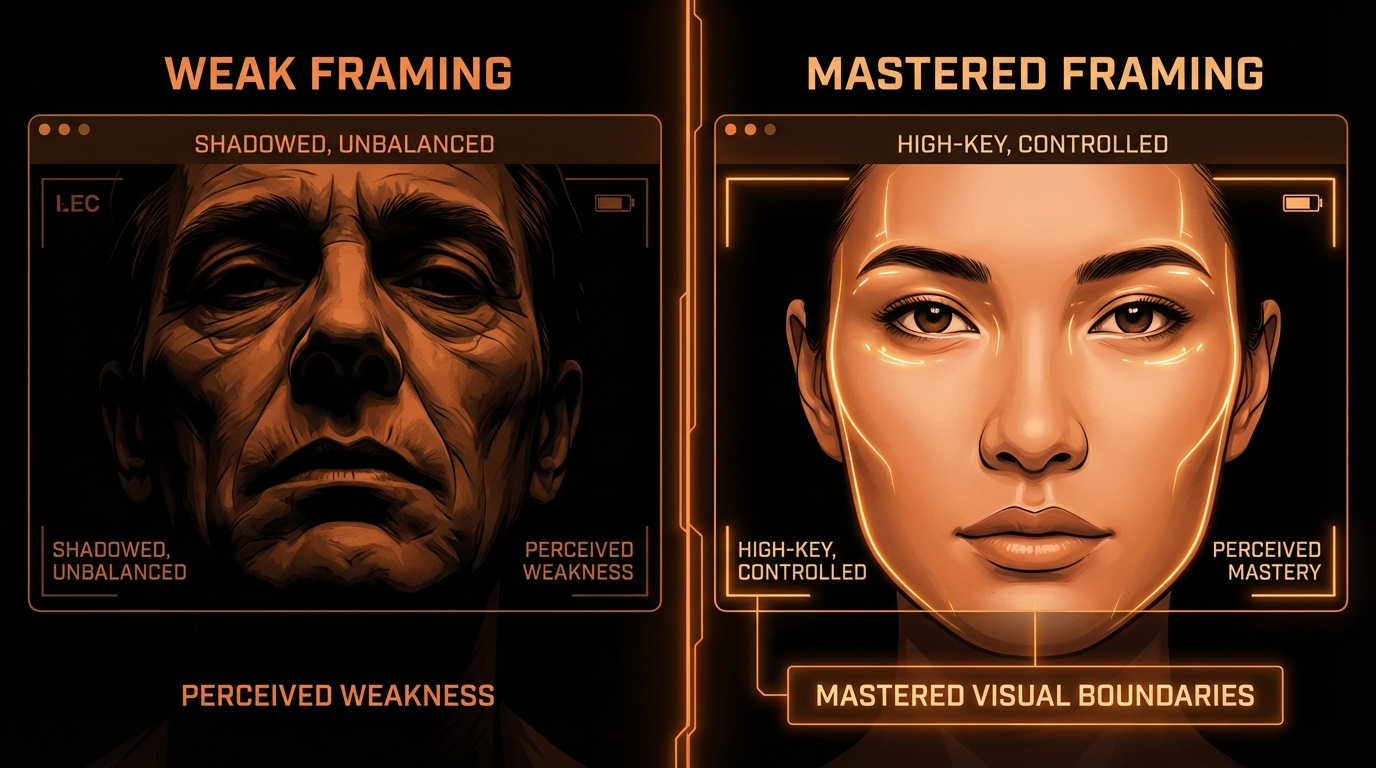
Your physical setup is the first non-verbal signal the client receives. A chaotic background, poor lighting, or improper framing signals a lack of preparation or general professionalism. Treat your camera frame like a highly curated stage. This is non-negotiable for high-value negotiations.
We approach the digital frame as a strategic asset. Optimize the following four elements immediately:
- Achieve Authority with Camera Angle. Position the lens exactly at eye level. Looking down into the camera from above is passive; looking up is submissive. Eye-level projection establishes immediate parity and strategic authority. Use a stack of books or a dedicated monitor stand to achieve this height.
- Control Your Lighting. Never allow backlighting (windows directly behind you). Backlighting turns you into an unrecognizable silhouette, obscuring the facial micro-expressions that indicate hesitation or agreement. Use front-facing, soft lighting,an inexpensive ring light works best,to fully illuminate your face.
- Define Your Proximity. The optimal frame captures the top of your head down to mid-chest. This allows enough space for strategic hand gestures (e.g., counting points, emphasizing commitment) while keeping facial expressions dominant. If you frame yourself too far back, you lose impact and appear detached.
- Eliminate Environmental Noise. Your background must be minimalist and static. A plain wall or professional, uncluttered bookcase works. If you must use a virtual background, ensure it does not flicker, glitch, or obscure your body when you move. Technical errors are non-verbal cues signaling technical incompetence,a red flag for any client evaluating a sophisticated software solution.
1. The Digital Stage: Setup as a Non-Verbal Cue
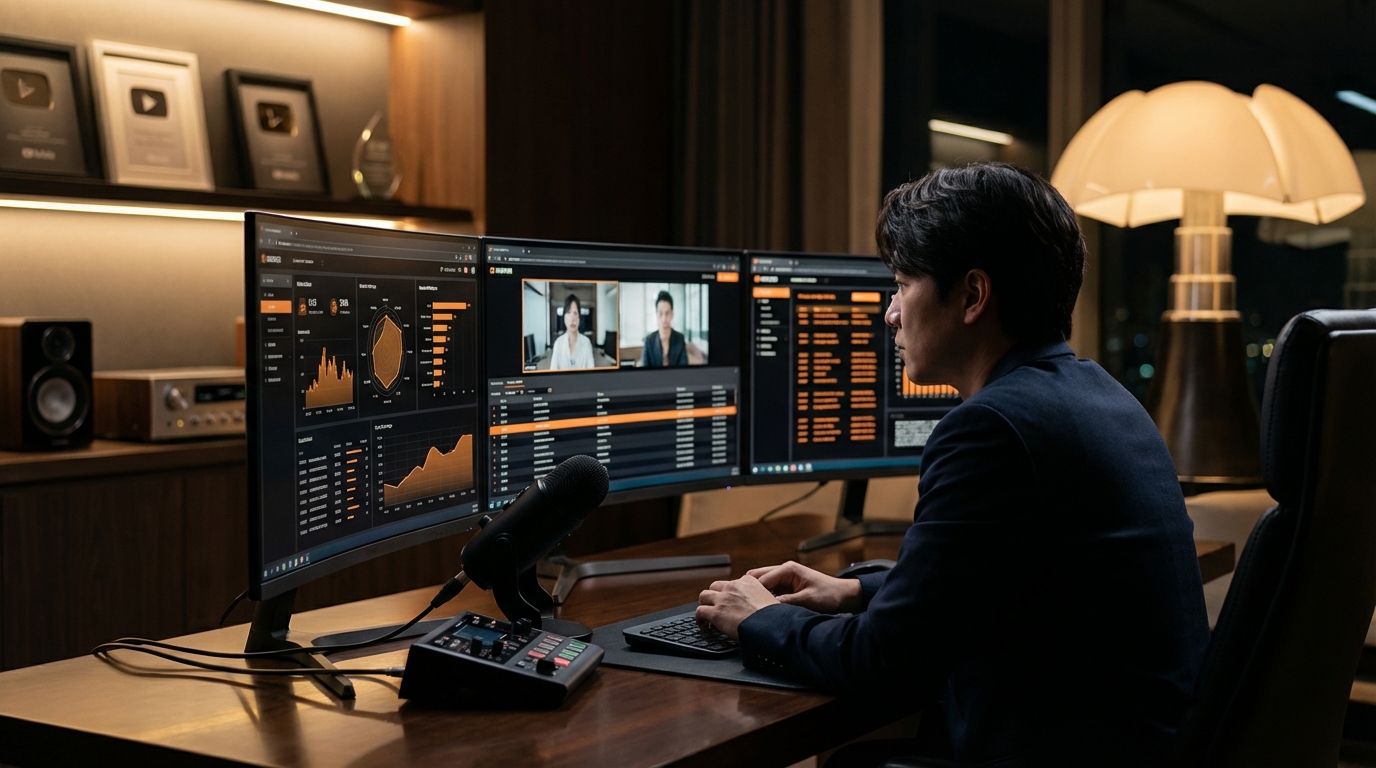
Your setup is the first non-verbal cue. Before you utter a single word, it communicates your professionalism, preparation, and respect for the prospect’s time. In high-stakes B2B negotiations, we treat a poor technical setup as a fatal flaw,it signals a lack of attention to detail and low commitment to the deal.
Optimize Your Camera and Lighting
Maximum clarity is non-negotiable. Anything less introduces unnecessary cognitive load and friction for the client, distracting them from your core value proposition.
- Position the Camera Strategically: Place the camera at or slightly above eye level. This angle projects authority and competence. A camera looking up at you suggests deference or a lack of seriousness.
- Control the Frame: Ensure your head and upper chest are clearly visible. If you intend to use strategic hand gestures (which we cover later), ensure your hands can move freely within the lower third of the frame without obstructing your face.
- Use Frontal Lighting (Key Light): Backlighting (light originating behind you) creates a silhouette, destroying the visibility of crucial facial micro-expressions. Use a dedicated key light (ring light or softbox) positioned directly in front of you to illuminate your face evenly.
- Manage the Background: Your background is the digital representation of your operational efficiency. A cluttered, busy, or overly distracting environment suggests disorganization. Use a clean, professional, and slightly blurred background, or a subtle virtual background that maintains brand integrity.
Master Audio Quality
Audio integrity is paramount. If the prospect struggles to hear you, their cognitive focus shifts instantly from your proposal to the technical effort required to understand your words. This erodes patience and kills momentum.
- Use Dedicated Microphones: Do not rely on built-in laptop microphones. Invest in a dedicated external USB microphone or professional headset. This signals professionalism and guarantees consistent volume and clarity throughout the meeting.
- Eliminate Environmental Noise: Ensure all notifications, phone alerts, and background noise (HVAC fans, street noise) are completely muted or isolated. An unexpected noise burst during a critical concession point will derail the negotiation instantly.
2. Reading the Virtual Counterpart: The Upper Body Focus
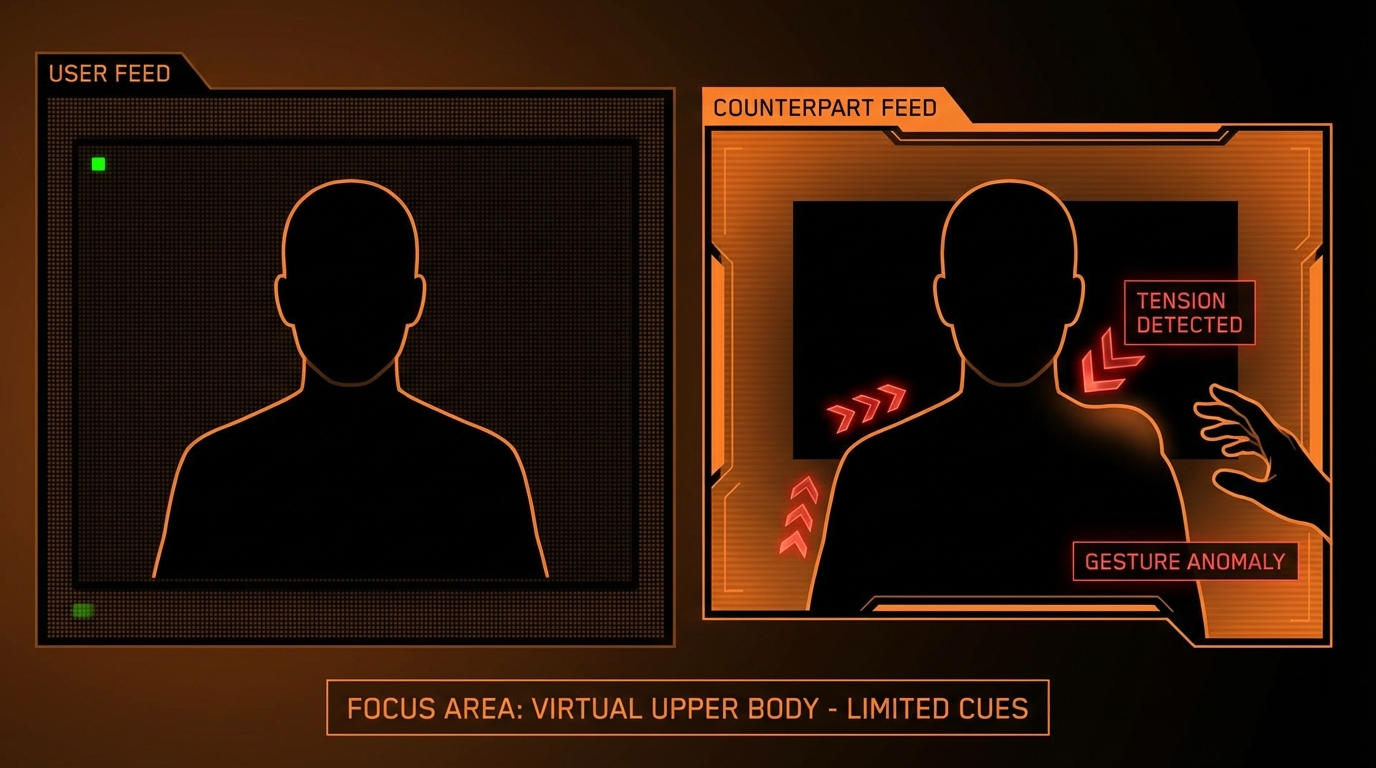
The virtual frame drastically limits visibility. This means you must hyper-focus on the few cues that remain: the face, the neck, and the hands (if properly framed). In high-stakes negotiations, these zones are where genuine sentiment,and deal resistance,is revealed. We train our SDRs to treat these signals as hard data points.
Decoding Facial Micro-Expressions
Micro-expressions are fleeting,lasting less than half a second,but they expose the true emotional response, especially during critical moments like pricing discussions or objection handling. You must register these cues instantly.
- Observe the Mouth and Lips:
- Pursed Lips: This is a critical negative signal. It indicates disagreement, dissatisfaction, or suppressed anger, regardless of verbal affirmation. Action: Pause the pitch immediately. Ask, “That seemed to trigger a strong reaction. What are your immediate, unstated concerns?”
- Contempt (One-Sided Smirk): A slight, one-sided mouth raise signals disdain or rejection of the specific point just made. Action: Pivot the topic immediately or revert to clarifying the underlying value proposition. Do not proceed with the current point.
- Tightened Jaw/Lips: Suggests high internal tension or stress. They are actively holding back a major objection or struggling with the proposal’s cost or commitment.
- Monitor the Eyes and Brows:
- Rapid Blinking: Signals heightened anxiety or stress. This often occurs when high investment figures are introduced. Action: Slow down and reassure them about the ROI or implementation timeline.
- Briefly Raised Eyebrows: Indicates genuine surprise or momentary doubt. Use context to determine the valence,this is common when a feature exceeds expectations or when a price point is unexpectedly high.
- Slitted Eyes (Squinting): Suggests deep skepticism and mental scrutiny of your claim. Action: Immediately back up your statement with verifiable data, case studies, or internal success metrics.
The Virtual Eye Contact Strategy
Eye contact is the single most powerful mechanism for establishing authority and building trust virtually. You must actively override the human tendency to look at the screen and train yourself to engage the camera lens.
- Target the Lens: When delivering the value proposition, pricing, or crucial closing questions, look directly into the webcam lens. This simulates authentic, direct eye contact for the client and projects unshakeable confidence.
- Eliminate Self-Staring: Do not look at your own video feed during the discussion. This breaks rapport, signals insecurity, and distracts you from reading the client. Minimize your self-view or reposition it directly adjacent to the webcam.
- The Observation Loop: You cannot stare constantly. When the prospect is speaking, look at their face on the screen to show active listening (use strategic nodding). When you regain the floor, immediately revert your focus to the lens to project authority and conviction.
3. Paralinguistics: The Sonic Foundation of Conversion
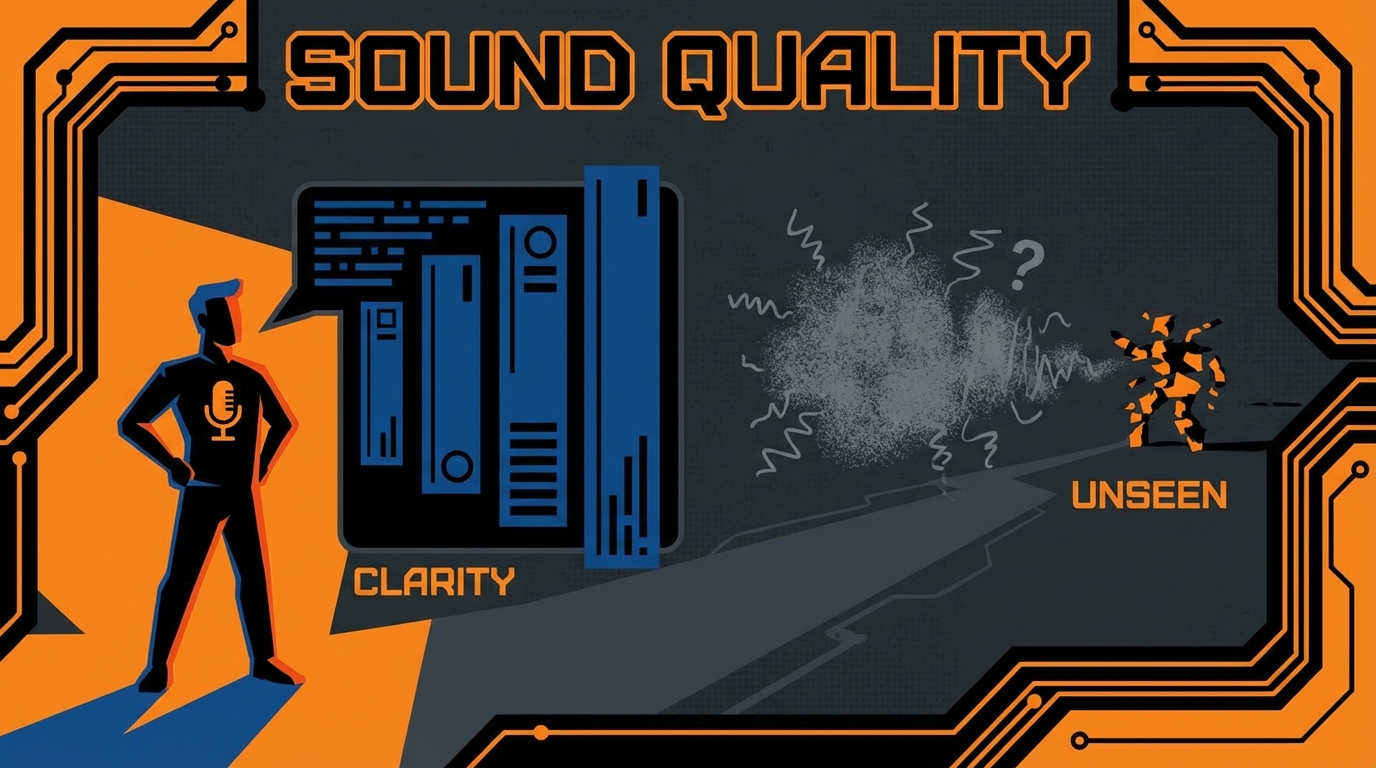
When the virtual frame strips away visual data, paralinguistics,how you say something,carries disproportionate weight. This category includes tone, pitch, pace, volume, and the strategic deployment of silence. Master these elements; they are the sonic foundation of conversion.
Strategic Use of Vocal Cues
- Vary Pitch and Volume: Monotone delivery kills comprehension and authority. Strategically vary pitch to emphasize core benefits and financial implications. We instruct our reps to use a controlled, slight drop in volume during sensitive discussions (e.g., pricing) to force the prospect to lean in and focus.
- Control Speech Rate: Fast speech projects expertise but risks overwhelming the prospect. Start by matching the client’s pace to build rapport (mirroring their tension). Accelerate slightly only when delivering high-density data, and decelerate significantly when asking high-impact questions or reviewing the final proposal.
- Implement Strategic Pausing: Silence is not a vacuum; it is a tactical negotiation lever. After asking a critical, high-value question (“How does this proposed timeline align with your Q1 goals?”), deploy a deliberate 3-second pause. This pause forces the client to process the weight of the question and often reveals their true position or underlying resistance.
Addressing Technical Lag and Latency
Technical glitches are unique, adversarial non-verbal disruptors in virtual negotiations. They often mask genuine hesitation or create artificial tension, complicating the read.
- Lagged Response Misinterpretation: If a client pauses for four seconds after a pricing question, is that thoughtful consideration or network latency? You must default to assuming latency to avoid misinterpreting the cue as resistance. Immediately use verbal confirmation: “Apologies, I just want to ensure the connection is holding. Did you catch the last question?”
- Interrupted Speech and Context Loss: When your audio cuts out, the client loses context, which immediately registers as frustration (a negative non-verbal cue). If your audio quality falters even briefly, stop immediately. Confirm the issue (“It sounds like my audio broke up there”) and repeat the critical sentence. Never attempt to power through poor audio quality. It destroys credibility.
4. Projecting Authority and Trust Remotely
To project confident authority and trustworthiness, your non-verbal signals must align precisely with your verbal message. We focus on two critical elements within the visible frame: calculated posture and strategic hand movements.
The Open Posture Protocol
Even when the camera crops the view, posture dictates vocal resonance and perceived confidence. Adopt this protocol immediately:
- Sit Tall and Stable: Maintain a straight back. Lean slightly forward,this subtle shift signals engagement and active listening, pulling the client into the conversation.
- Avoid Closed Postures: Crossing arms signals defensiveness or resistance, even if only partially visible. Keep your arms relaxed, resting lightly on the desk or beside you.
- Implement Subtle Mirroring: Match the client’s energy or posture (e.g., if they lean in, you lean in). This unconscious mimicry rapidly builds rapport. Crucially, the mirroring must be delayed and slight to avoid appearing mocking.
Strategic Hand Gestures in the Frame
Hands convey honesty and passion. If your hands are hidden, you are non-verbally signaling that you are concealing information,a fatal error in sales. We manage this by utilizing the “TruthPlane” concept within the virtual frame.
- Keep Hands Visible and Active. Position your hands near the bottom edge of the screen. This is the virtual equivalent of showing open palms, immediately signaling transparency and honesty.
- Master the TruthPlane (Mid-Chest). When presenting data, stating facts, or establishing the deal foundation, use symmetrical, open-palm gestures near your mid-chest. This zone communicates absolute reliability and truth.
- Activate the PassionPlane (Neck/Head). Reserve higher gestures for moments requiring high energy: discussing vision, excitement, or the transformative benefits of the solution. This adds motivational fuel to your pitch.
- Eliminate Fidgeting. Fidgeting (playing with a pen, clicking, touching hair) is a non-verbal transfer of anxiety and distraction to the client. Keep your hands engaged strictly for emphasis, not as nervous habits.
If you are struggling to find the right leads to practice these techniques on, Start Your Free Trial of Pyrsonalize and instantly access verified client emails.
5. The Virtual Negotiation Playbook: Reading and Responding to Cues
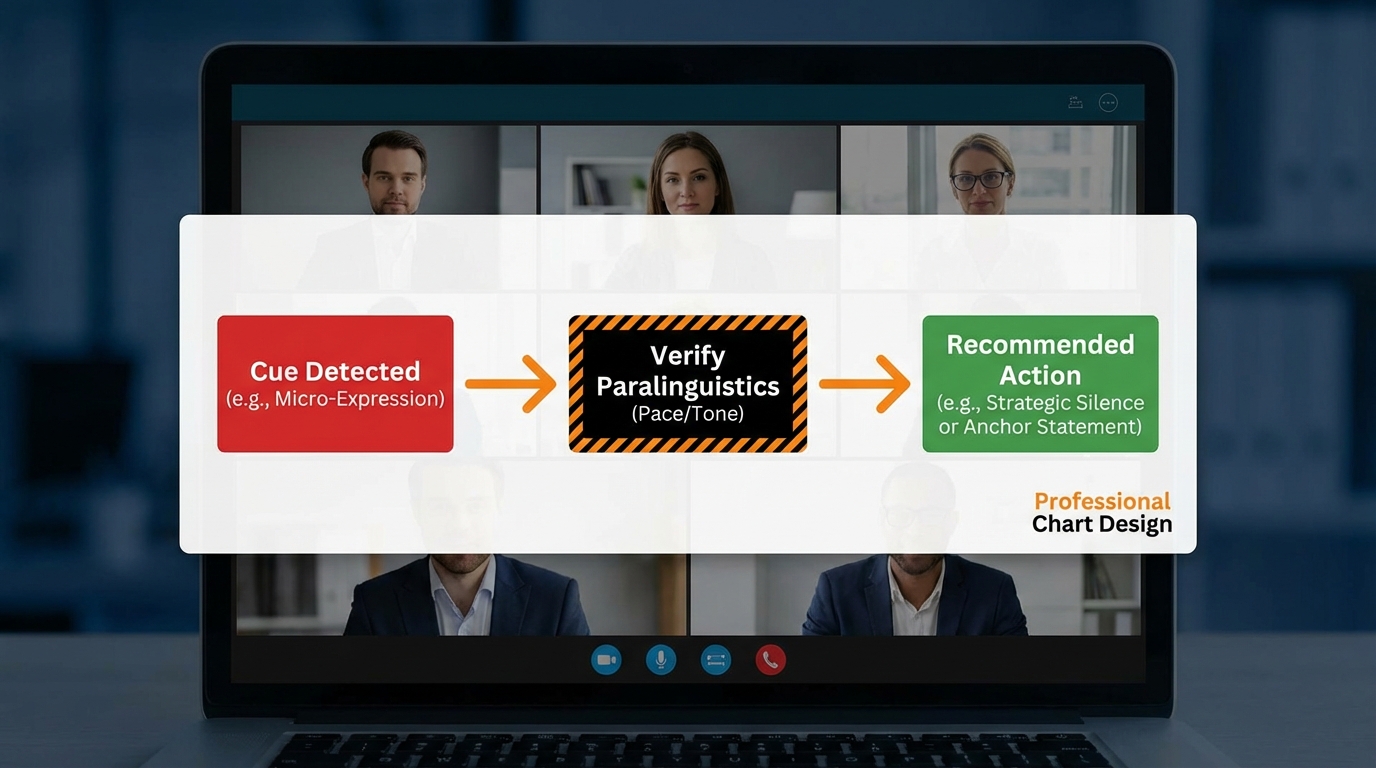
Negotiation success hinges on real-time adaptation. It is not enough to identify a non-verbal signal; you must execute an immediate, pre-planned countermeasure. We require a specific, validated playbook tailored precisely for the reduced visual bandwidth of the virtual sales environment.
If your goal is scaling organic lead generation and conversion, mastering these micro-moments is non-negotiable. This capacity for instantaneous, calculated response is the differentiator between high-converting SDRs and those who fail to move prospects from initial contact to the discovery stage. We use these precise methods internally to ensure our team knows how to convert LinkedIn engagement directly into discovery calls.
Scenario-Based Cue Interpretation Protocol
Implement the following scenario-based protocol immediately. Use this table as your quick-reference guide during all high-stakes virtual negotiations:
| Observed Virtual Cue | Interpretation (High Probability) | Strategic Action (Immediate Response) |
|---|---|---|
| Pursed Lips / Tightened Jaw | Hidden disagreement or specific resistance to the last point (often price sensitivity). | Immediately pause the pitch. Use a direct, clarifying question: “I sense some hesitation there. What part of that proposal is giving you pause?” |
| Slight, Fast Head Nodding | Impatience or urgency. They understand the concept and require you to move the discussion forward now. | Accelerate your pace. Skip non-critical details and transitional phrases. Transition quickly to the next high-value section or the Call to Action. |
| Brief Eye Rubbing / Rapid Blinking | Stress, anxiety, or an attempt to block difficult information (cognitive overload). | Take the pressure off the prospect. Reframe the discussion or share a relevant, low-stakes success story to rebuild comfort. Lower your volume slightly to de-escalate. |
| Client Leans Away (Post-Proposal) | Emotional or physical withdrawal. Potential feeling of being threatened or overwhelmed by the offer size. | Immediately create distance. Say, “Let’s take a breath.” Shift the screen share off the proposal and ask a non-threatening, open-ended question about their larger ABM framework or strategic goals. |
| Hands Hidden Below the Frame | Potential lack of transparency, discomfort, or general nervousness. This removes a key channel for reading intent. | Ask them to participate visually. “I’m going to share a document now. Can you pull it up on your end and point out the relevant section?” This forces their hands back into the visible area and demands engagement. |
6. Addressing Multi-Stakeholder Virtual Dynamics
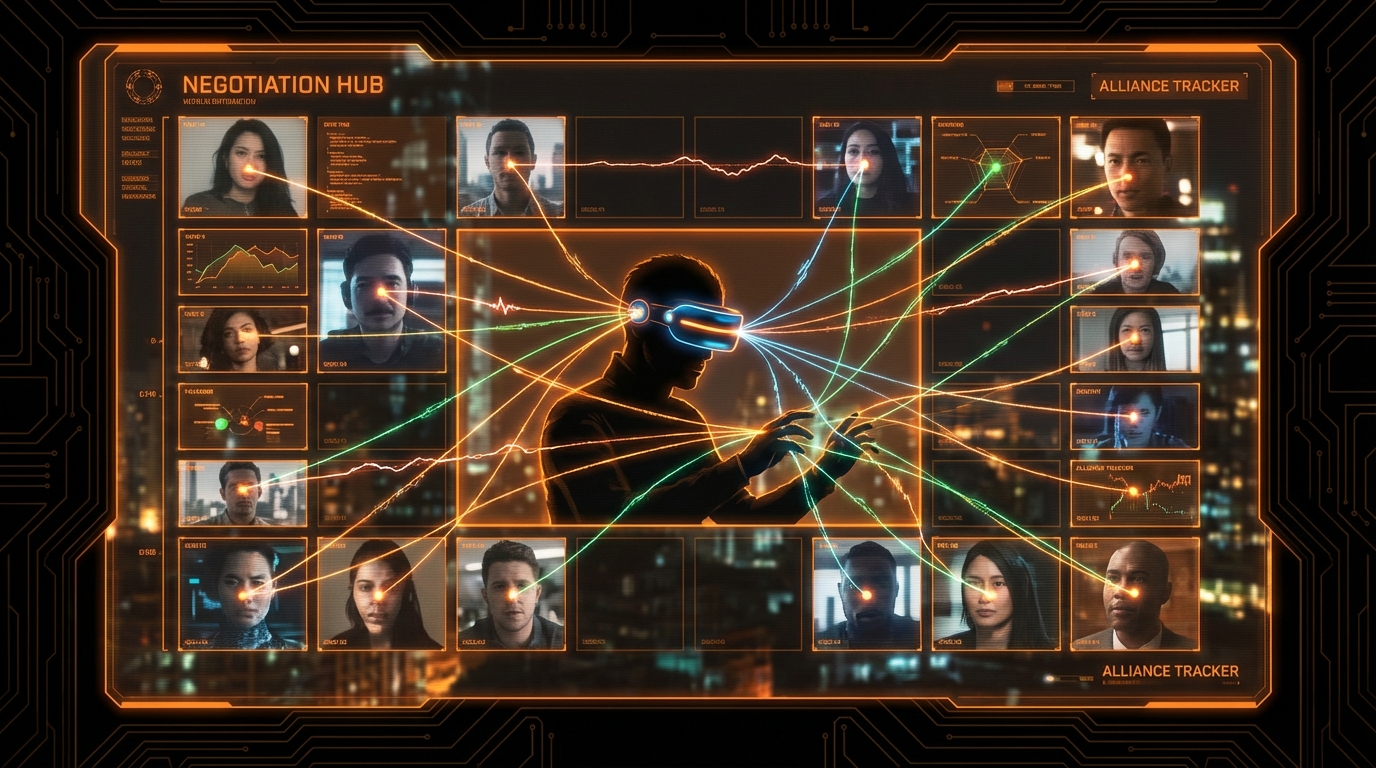
The multi-stakeholder call is where virtual negotiations most frequently collapse. When five or more participants join, visual bandwidth evaporates. If key decision-makers are muted, off-camera, or simply passive, you lose control of the room and risk wasting time closing a deal with an influencer, not the budget holder. We treat silent participants as active risks to pipeline progression.
Techniques for Drawing Out Silent Stakeholders
If a critical stakeholder remains silent or off-camera, you must proactively solicit their input. Failing to engage the true authority means you are negotiating against a ghost, severely compromising your conversion rate.
- The Direct Address (Name Check): Generic questions invite generic silence. You must personalize the engagement. Address the silent party directly by name, linking the question specifically to their role or known pain point. Example: “Sarah, considering the friction points we identified in your current organic lead flow, how does this proposed automation roadmap impact your Q1 resource allocation?”
- The Intentional Vacuum: When a visible participant raises an objection, respond concisely. Then, shift your gaze directly toward the camera (or the silent decision-maker’s screen box) and hold the silence. This pause must feel uncomfortably long. You are creating a psychological vacuum that forces the silent authority to either validate the objection or override it.
- The Strategic Head Turn: When a less critical influencer speaks, use your body language to acknowledge the silent authority. Subtly turn your head toward the muted stakeholder’s screen box and provide a slow, visible nod. This non-verbal cue signals that you recognize their importance, subtly pressuring them to contribute, or at least confirming they are tracking the conversation.
7. Leveraging AI Tools for Non-Verbal Analysis
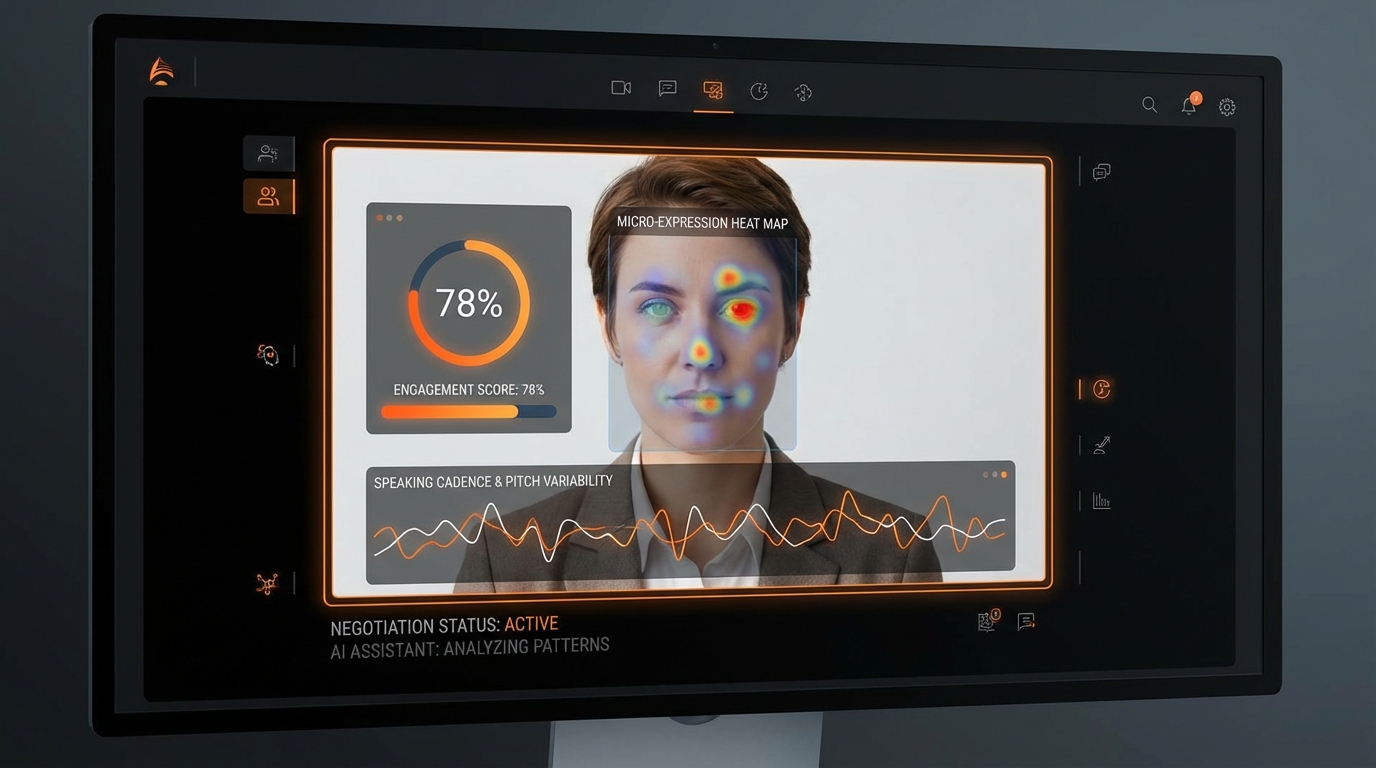
Relying solely on human observation is strategic negligence. To maintain a competitive edge in 2025, you must leverage AI tools integrated directly into virtual meeting platforms. These systems analyze non-verbal and paralinguistic data in real-time, delivering objective intelligence that manual observation cannot replicate.
We require our teams to track the following critical non-verbal metrics automatically. This data quantifies engagement and objection handling efficiency:
- Engagement Spikes: Pinpoint the exact second a prospect displays peak interest (wide eyes, genuine smile, head tilt) regarding a feature, pricing structure, or value statement. Use this data to immediately double-down on that topic.
- Tone Analysis: Monitor vocal tension, pitch variability, and the overall sentiment score throughout the call. This allows you to quantify emotional shifts during key negotiation phases, separating genuine interest from polite compliance.
- Talk-to-Listen Ratio (TLR): Maintain the optimal balance. High TLR indicates aggression; low TLR suggests unpreparedness. AI provides the objective data required for precise coaching and performance management.
- Micro-Expression Flags: Flag immediate instances of contempt, confusion, or doubt. Post-call review of these flags is essential for coaching reps on missed opportunities for non-verbal objection handling.
Adopting these technologies is not optional; it is the baseline requirement for competitive sales organizations. If your team is still operating solely on manual prospecting and intuition, you are already behind. To maintain parity with top-tier SDR teams, you must integrate AI tools that provide actionable intelligence across the entire sales lifecycle,from finding the client to closing the virtual deal. If you need to upgrade your lead generation foundation first, Start Your Free Trial of our AI Lead Generation software now.
Conclusion: Mastering Your Digital Negotiation Stack
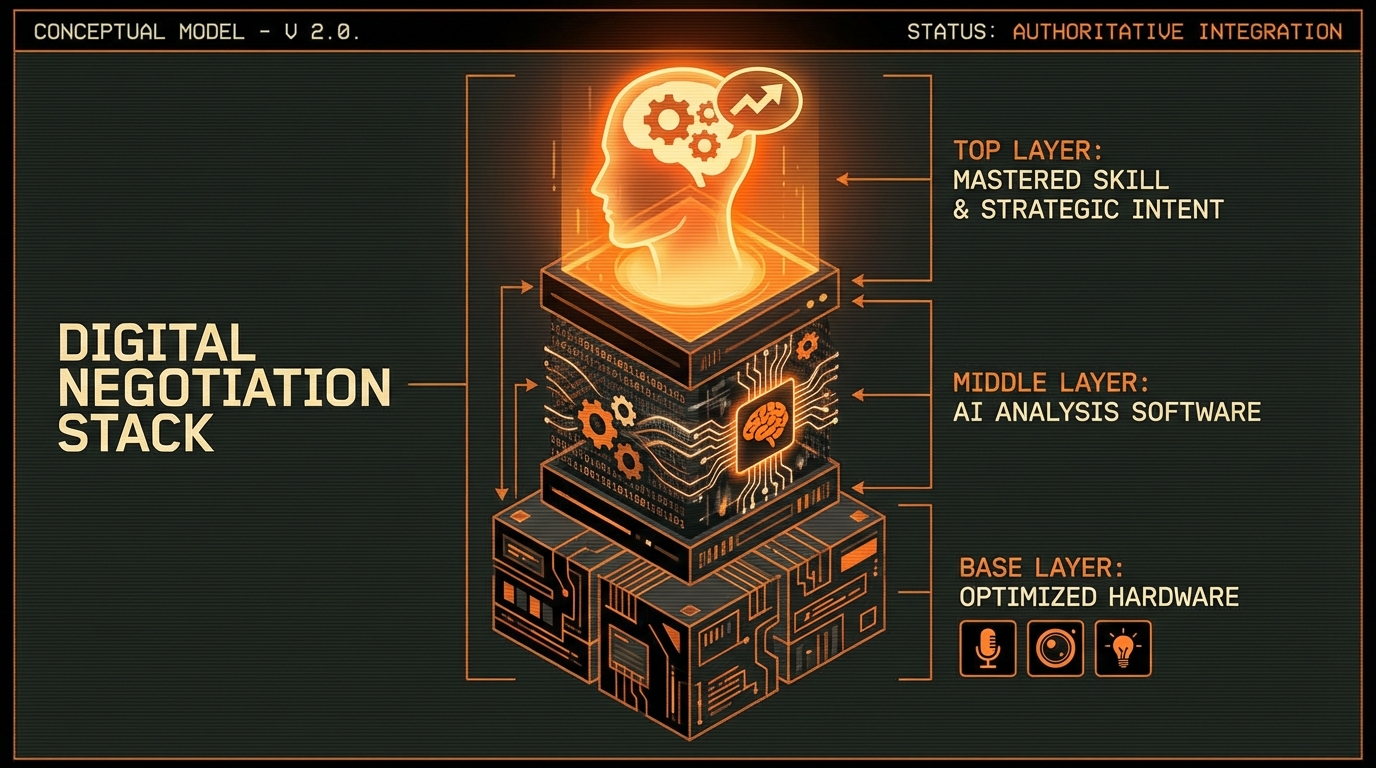
- Technical Discipline: Maintaining zero tolerance for poor audio quality, latency issues, or distracting backgrounds. The technical setup is the foundation of credibility.
- Paralinguistic Control: Disciplining your pace, pitch, and projection. These are the quantifiable tone metrics that AI systems track and that clients subconsciously register as confidence or hesitation.
- Cue Interpretation: Utilizing AI feedback loops to spot micro-expressions and subtle shifts in attention (like leaning away or delayed response times) that manual human focus frequently misses.
Ready to stop guessing and start quantifying client intent?
Frequently Asked Questions
How do I know if a client’s pause is resistance or technical lag?
You must treat this moment as a diagnostic, not a confrontation. The safest approach is always to assume technical lag first; this prevents you from reacting defensively to perceived resistance and escalating tension unnecessarily.
Follow the 4-Second Rule:
- Wait 4 seconds. If the client remains silent, immediately use a soft verbal check.
- The Check: Frame the interruption around technical issues: “I apologize, I think we might have a slight delay on the line. I was asking about the implementation timeline.”
- The Outcome: If they confirm lag, you maintain professionalism. If they immediately respond to the prompt, you have successfully gained crucial observation time to analyze their non-verbal preparation before they deliver their answer.
Should I use my hands a lot during a virtual negotiation?
Yes, but your movements must be intentional and controlled. Hands signal transparency, energy, and conviction. However, they must be leveraged strategically:
- Stay in the Frame: All gestures must remain within the visible camera frame,what we term the TruthPlane. Movements outside this zone are distracting and unprofessional.
- Purposeful Gesturing: Use precise, symmetrical gestures when emphasizing a critical metric or summarizing a key action item.
- The Default State: When listening, keep your hands relaxed and visible, resting lightly on the desk or clasped loosely. Uncontrolled, excessive movement translates directly to anxiety.
What is the single most important non-verbal cue to watch for in pricing discussions?
The key indicator is the immediate, involuntary micro-expression following the price reveal: a pursed lip expression or a very brief tightening of the lips and jawline. This is a visceral sign of processing resistance or internal dissatisfaction.
If you observe this cue, do not wait for a verbal objection. Acknowledge the tension immediately to maintain control of the narrative:
“That’s often the moment where people need to pause and process the investment. Let’s talk through the immediate ROI we project for your Q1 targets.”
Does my background really matter if I use a virtual background?
Yes. Your background is a non-verbal cue of your commitment to the meeting and the perceived quality of your operation. It is non-negotiable.
If you opt for a virtual background, you must ensure technical integrity:
- Lighting is Crucial: Ensure your lighting is strong, even, and eliminates shadows. Poor lighting causes the background to “flicker” or distort your edges.
- The Signal: Technical distortion signals low-quality equipment and, by extension, a low investment in the meeting’s professionalism. This erodes trust before you even speak the first word.
Ready to take the next step?
Start Your Free Trial
Click Here