


If you are a SaaS founder in 2025 relying solely on a free trial signup form, you are leaving high-intent revenue on the table. We know this because the market is saturated. Visitors are skeptical. They need a micro-commitment asset before they commit to learning your entire platform.
The primary goal of a SaaS lead magnet is not just list building. It is pre-qualification. It must solve a targeted, immediate problem for your Ideal Customer Profile (ICP) while simultaneously demonstrating the necessity of your core product.
This 2025 Blueprint outlines the mandatory lead magnet strategies that convert skeptical traffic into qualified, engaged leads ready for a sales conversation or paid subscription.
Why Your Generic SaaS Lead Magnet Strategy is Failing
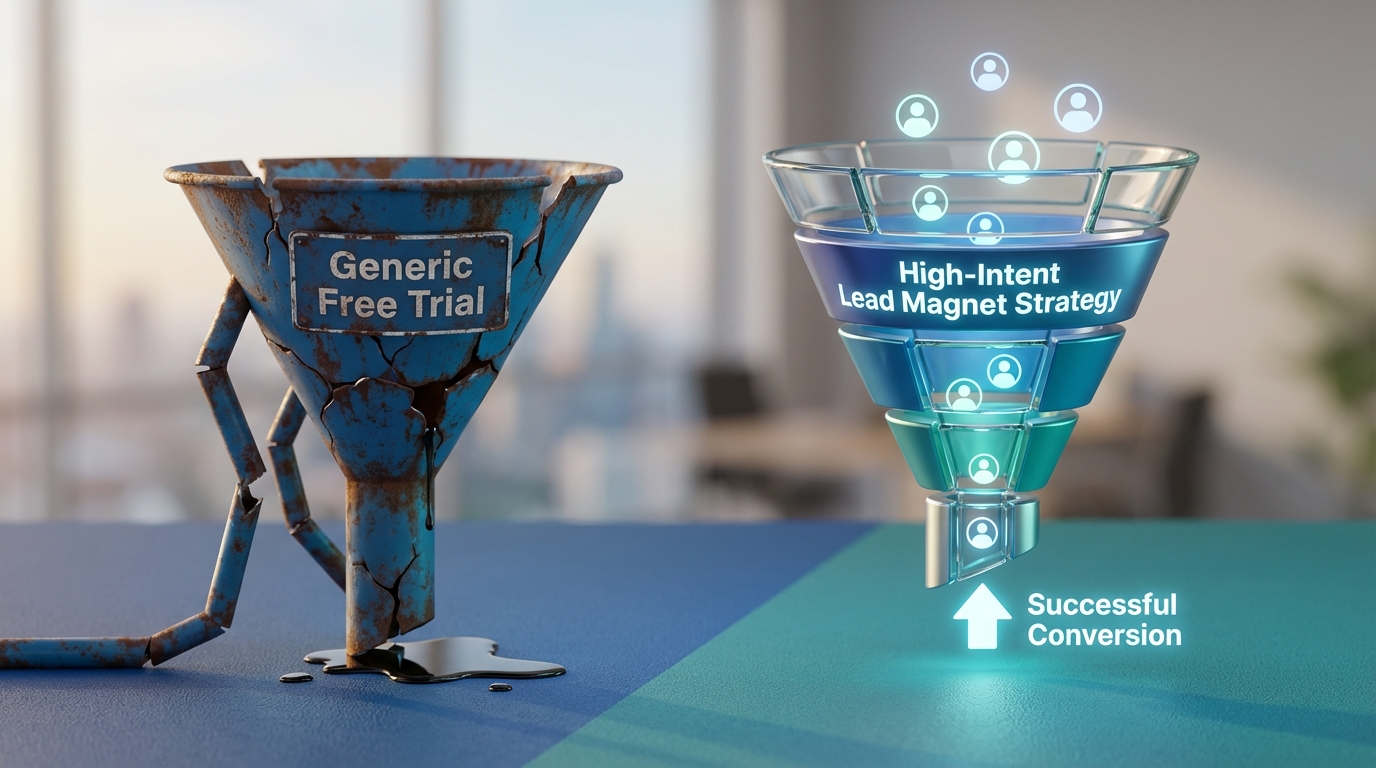
Many SaaS businesses fail because their lead magnets are too generic or too far removed from their product’s core value proposition. A vague eBook on “Digital Marketing Trends” does not qualify a user for an AI-powered SEO tool. It only attracts students or competitors.
We need to be critical of outdated methods. Your lead magnet must serve as a high-friction filter that prioritizes intent over volume.
The 2025 Lead Magnet Mandate: Intent Over Volume
In the current competitive landscape, the quality of the lead is paramount. We are looking for leads who understand their problem and are actively seeking a solution.
A successful SaaS lead magnet achieves three critical objectives:
- Diagnoses the Pain: It forces the user to confront the specific issue your software solves (e.g., high churn, inefficient reporting).
- Provides Immediate, Partial Relief: It offers a quick win (a checklist, a template, a score) that proves your expertise.
- Creates a Value Gap: It shows the user the limitations of the manual solution, making the automation offered by your SaaS product irresistible.
Strategic Lead Magnet Categories for SaaS Success

We segment lead magnets based on where the prospect sits in the buying journey. Targeting the wrong intent level results in a wasted download and a cold lead. We focus on three core categories:
Category 1: High-Value, Low-Friction Assets (Top of Funnel – TOFU)
These assets are designed to capture traffic that is problem-aware but not yet solution-aware. They are typically informational and easy to consume.
- Proprietary Research Reports: Original data is gold. If you serve 5,000 customers, aggregate that data into a “2025 Industry Benchmark Report.” This positions you instantly as an authority.
- Comprehensive Playbooks/Guides: These are deep dives into a critical process (e.g., “The Definitive B2B Sales Outreach Playbook”). Ensure they integrate concepts your tool later automates.
- Exclusive Video Courses (Academies): Gating a high-quality video course (like an “SEO Mastery Academy” if you offer an SEO tool) captures highly motivated learners who are likely to become power users. This is a massive trust builder.
Category 2: Interactive Diagnostic Tools (Middle of Funnel – MOFU)
This is where high-intent SaaS lead generation truly shines. Interactive tools require the user to input specific data about their business, instantly qualifying them and providing high-quality sales intelligence for your team.
Key Highlights: Interactive Lead Magnets
Interactive tools offer personalized value in exchange for data. This is a superior trade compared to a static PDF. They capture highly engaged users and provide immediate qualification data for sales teams.
- ROI Calculators: “Calculate Your Potential Savings/Revenue Increase.” This moves the conversation from features to finance.
- Personalized Audits/Assessments: Quizzes that ask pointed questions about the user’s current setup (e.g., “Score Your Current Customer Onboarding Process”). The result page is the lead magnet. For specific guidance on structuring these, review our 2025 Quiz Blueprint: High-Intent Lead Capture.
- Benchmark Graders: Users input a few metrics, and the tool compares them against the industry data you collected (from Category 1). This creates urgent pain points by showing them exactly where they are failing.
Category 3: Product-Priming Resources (Bottom of Funnel – BOFU)
These assets are used when the prospect is evaluating solutions. They must directly bridge the gap between their current manual process and your automated solution.
- Templates and Worksheets: These are tactical, ready-to-use resources that save the user time immediately. Think “SaaS Sales Email Sequence Template” or “Q4 Budget Planning Spreadsheet.” The lead realizes quickly that managing 50 of these manually is inefficient, making your automation platform the next logical step.
- Case Study Kits (Gated): Instead of showing one case study, gate a collection of 5-10 hyper-relevant case studies for a specific industry segment. This provides the social proof they need before booking a demo.
- Live or Recorded Product Webinars: Focus the webinar on solving a high-value problem, then showcase the product as the ultimate solution. This attracts leads ready to buy. We have seen significant success with this method. For a comprehensive strategy, examine our Webinar Lead Gen: The 2025 High-Intent Conversion Blueprint.
Deep Dive: The Highest Converting SaaS Lead Magnets in 2025

We prioritize assets that require minimal creation effort but deliver maximum perceived value and collect the most valuable data points.
1. The Proprietary Tool/Widget
Competitors like Bitly and Salesforce have mastered the free tool as a lead magnet. This is not a trial. This is a permanent, limited-function tool that solves one specific problem extremely well.
- Example: A free Email Verification Widget that cleans 10 emails per day. The user immediately sees the value and hits the usage limit, requiring them to upgrade to your full AI lead generation software.
- Strategic Advantage: It creates a usage habit and provides instant, tangible results, which is far more persuasive than reading an eBook.
2. The Industry-Specific Checklist
Checklists are consumable in five minutes and provide clear, actionable steps. They work exceptionally well for professional audiences (real estate, financial services, agencies).
- Example: “The 10-Point Compliance Checklist for Financial SaaS Onboarding.”
- Strategic Advantage: It establishes you as the subject matter expert and subtly highlights the complexity of the task, reinforcing the need for an automated solution.
3. The High-Definition Template Library
Stop offering one template. Offer a library. People will exchange their email for access to a resource they believe they can return to repeatedly.
- Example: A “B2B Outreach Template Library” containing 50 proven cold outreach scripts, follow-up sequences, and objection handling responses.
- Strategic Advantage: This attracts professionals who are actively focused on scaling their outreach-your ideal customer for lead generation software. We find this works better than general content for high-ticket sales professionals seeking non-automated, trust-based methods. Read more on strategic outreach methods here: B2B Lead Generation Ideas Without Cold Calling: The 2025 High-Intent Blueprint.
Comparison Table: Static vs. Interactive Assets
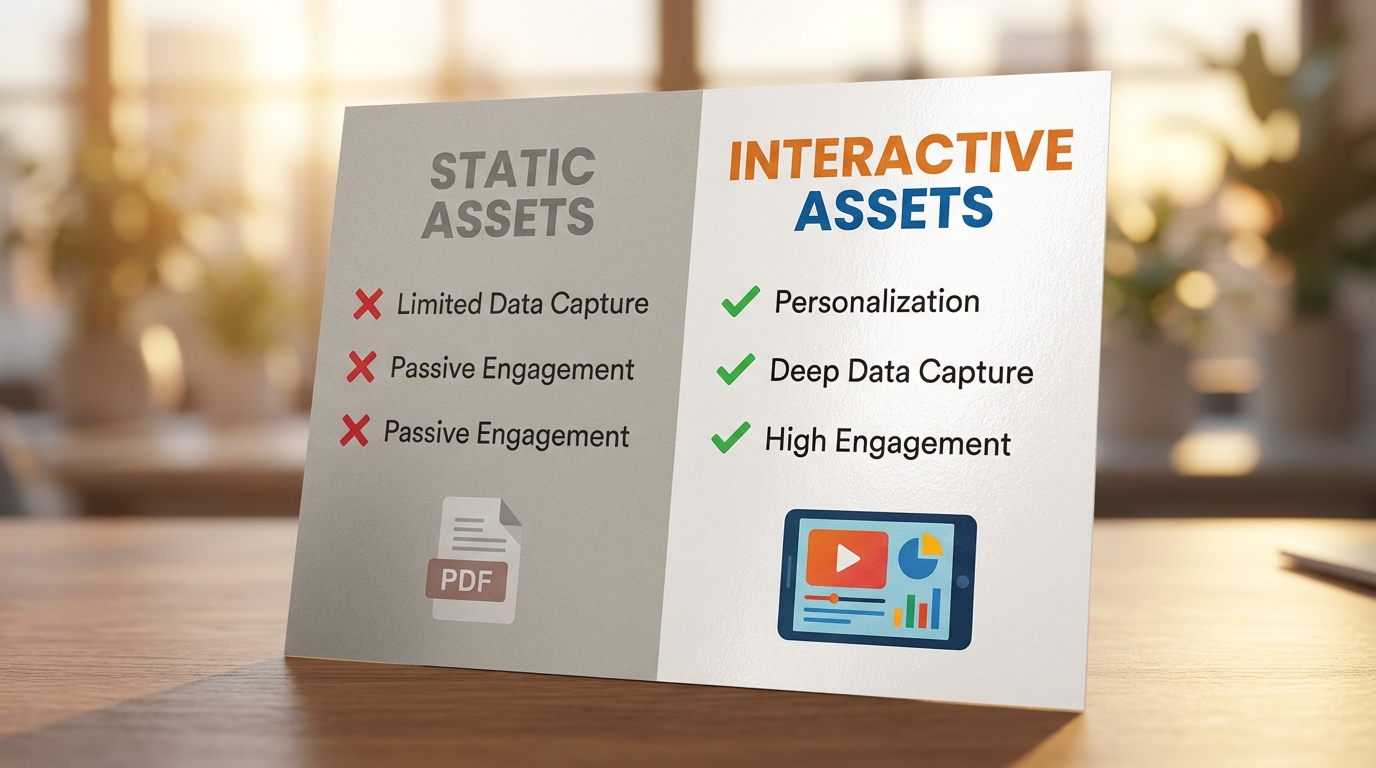
To maximize conversions and sales intelligence, we must shift resources toward interactive assets.
| Metric | Static Assets (Ebook, Guide) | Interactive Tools (Calculator, Quiz) |
|---|---|---|
| Lead Quality / Intent | Low to Medium (Often researchers or students) | High (Problem-aware, actively seeking personalized solution) |
| Sales Intelligence Gathered | Email only. No pain points revealed. | Budget, company size, current tech stack, primary pain point. |
| Time to Value (User) | Long. Requires reading 30+ pages. | Instant. Results delivered in seconds. |
| Required Follow-Up Friction | High. Requires manual qualification by sales. | Low. Personalized follow-up based on quiz/calculator results. |
Building the Perfect Lead Magnet: A 5-Step Checklist

You need a systematic approach to creation. Do not start building until you have validated these five points against your ICP.
- ✅ Identify the Single Critical Problem (SCP): Does the lead magnet solve one specific, urgent problem that your target audience faces this week? (e.g., “My email deliverability is poor.”)
- ✅ Ensure Product Alignment: Does the solution provided by the lead magnet naturally lead the user to realize they need your SaaS product for scale or automation? The lead magnet should show them how, and your product should show them how fast.
- ✅ Maximize Data Capture: Have you structured the opt-in process to gather 3-5 critical qualification data points (company size, role, current tool) without causing friction?
- ✅ Design for Immediate Consumption: Can the user consume the core value in under 15 minutes? Checklists and calculators win here. Lengthy guides often sit unread.
- ✅ Establish a Follow-Up Path: Is there a clear, personalized nurture sequence ready to deliver value based on the specific results the lead received from the magnet?
Lead Magnet Pros and Cons by Format

Choosing the right format depends entirely on your internal resources and the complexity of your product.
1. Ebooks / Whitepapers
Pros:
- High perceived value.
- Excellent for showcasing thought leadership and deep expertise.
- Good for TOFU awareness generation.
Cons:
- High creation cost (design, writing, research).
- Low consumption rate after download.
- Low lead qualification ability.
2. Interactive Calculators / Quizzes
Pros:
- Extremely high engagement and conversion rates.
- Gathers rich qualification data instantly.
- Creates immediate, personalized pain points.
Cons:
- Requires technical development and maintenance.
- Needs rigorous testing for accuracy.
3. Templates / Checklists
Pros:
- Low creation cost and fast deployment.
- High immediate utility and actionable value.
- Perfect for MOFU leads needing tactical solutions.
Cons:
- Lower perceived value than a full report.
- Can be easily copied by competitors.
4. Live Webinars / Demos
Pros:
- Attracts high-intent, BOFU leads ready to evaluate.
- Allows for direct Q&A and objection handling.
- Excellent for complex, high-ticket SaaS offerings.
Cons:
- High time commitment for the host.
- Requires significant promotion effort to fill seats.
Leveraging Data: Text-Based Infographic
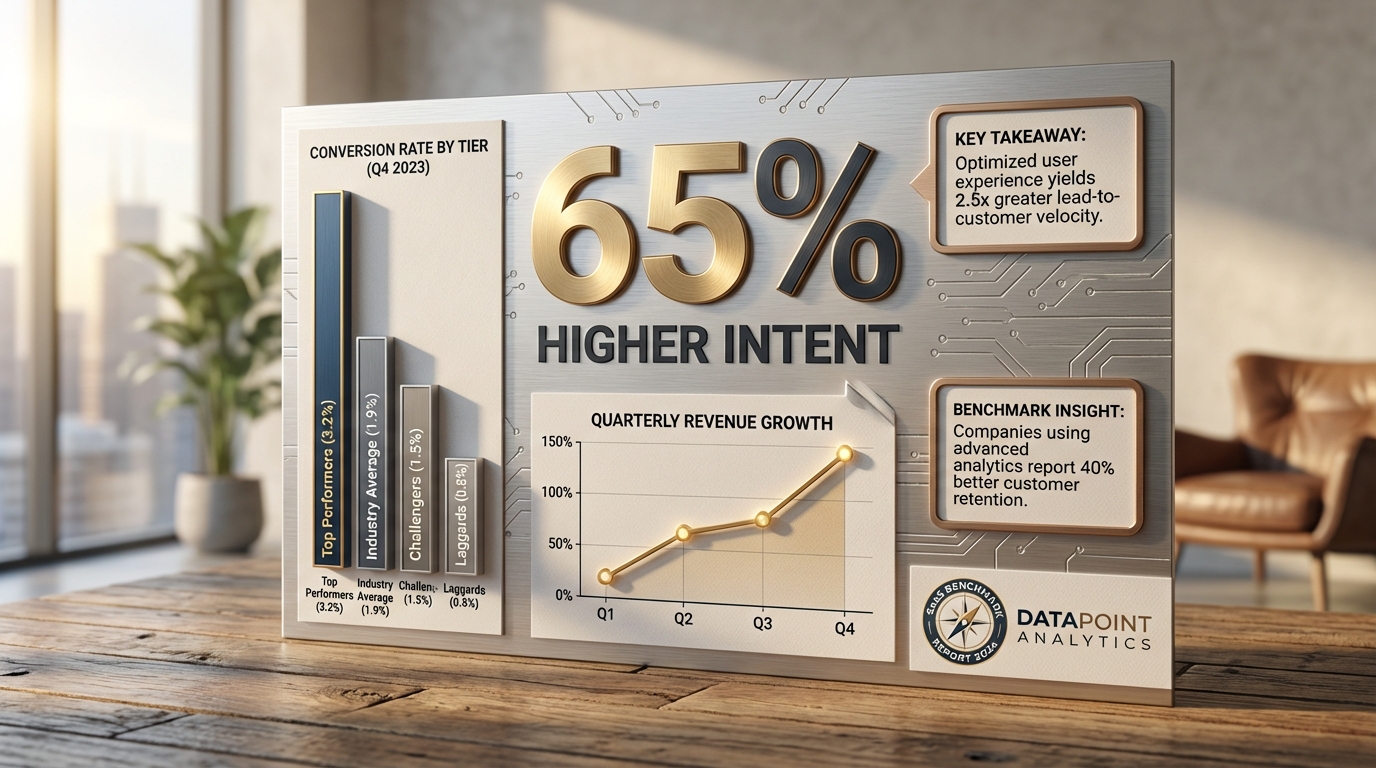
Understand the current state of SaaS lead generation in 2025. These metrics define the urgency of shifting strategy:
SaaS Lead Generation Metrics 2025
72% of B2B buyers now prefer self-serve, interactive content over speaking to sales until late in the process.
The average conversion rate for a static eBook is 3-5%. The average conversion rate for a personalized ROI Calculator is 15-25%.
Leads qualified by a diagnostic quiz show a 40% higher lifetime value (LTV) compared to general list subscribers.
90% of high-growth SaaS companies prioritize template libraries and interactive tools over traditional whitepapers for MOFU nurturing.
Finalizing Your High-Intent Strategy

You cannot afford to wait for prospects to find your free trial. You must provide immediate, targeted value that aligns perfectly with the pain points your software eliminates. We advocate for a tiered approach:
- Deploy a high-utility Template Library (low-cost, high immediate value).
- Invest in a Proprietary Diagnostic Tool (high-cost, maximum qualification data).
- Use the data collected by the tool to segment leads into specific nurture tracks designed to convert them to paying customers.
The lead magnet is the first step in a trust-based relationship. It demonstrates your expertise before you ever ask for money. Execute this strategy rigorously to ensure you are capturing the highest quality, most intent-driven leads in 2025.
Frequently Asked Questions

What is the single most effective lead magnet for high-ticket SaaS?
The most effective lead magnet is the Interactive ROI Calculator or Personalized Audit Tool. High-ticket SaaS buyers (founders, sales VPs) are driven by financial outcomes. A calculator that shows them a projected return or loss based on their current inputs immediately justifies the investment in your product.
Should I offer a free trial or a lead magnet first?
You should offer a lead magnet first, especially if your product has a complex setup or a long time-to-value. The lead magnet lowers the commitment barrier, captures the user’s information, and allows you to educate and nurture them before they commit to the friction of a trial signup. This results in higher trial-to-paid conversion rates.
How often should I update my primary SaaS lead magnet?
Static assets (eBooks) should be reviewed and updated annually, often incorporating the current year (“The 2026 Blueprint”). Interactive tools (Calculators, Quizzes) require maintenance whenever your core product features or industry benchmarks change significantly. We recommend a quarterly review cycle to maintain accuracy and perceived freshness.
Ready to take the next step?
Try AI Lead Generation Today
Click Here