


Strategic Deep Dive: Your AI Lead Generation Questions Answered

What exactly is AI Lead Generation?
AI Lead Generation is the strategic shift from volume-based list building to intent-driven conversion prediction. It is far more than simple automation.
It involves leveraging machine learning algorithms to analyze massive datasets,firmographics, technographics, behavioral signals, and public activity,to identify which prospects are in an active buying cycle right now.
For us, AI lead generation means two things:
- Precision Scoring: Moving past basic filters (e.g., “VP of Marketing”) to score prospects based on real-time buying signals (e.g., “VP of Marketing who just visited our competitor’s pricing page”).
- Hyper-Personalization at Scale: Generating personalized outreach based on the prospect’s unique context (their recent job change, their company’s latest funding round, or a specific pain point mentioned in a recent press release).
What are the main benefits of using AI for B2B prospecting?
The benefits are quantifiable and directly impact your bottom line. We’ve seen integrated AI stacks deliver a 2x boost in response rates compared to traditional cold email campaigns.
The core advantages are:
- Massive Efficiency Gains: AI automates the most time-consuming steps: list building, data cleaning, verification, and initial research. Your SDRs spend 80% of their time selling, not scrubbing spreadsheets.
- Higher Conversion Rates: Because outreach is based on genuine intent signals, the relevancy skyrockets. You are contacting the right person at the right time.
- Superior Data Integrity: The best AI tools use multi-step waterfall enrichment (checking multiple sources) to verify contact data. This is crucial for finding verified personal emails and maintaining high deliverability rates.
- Predictive Scalability: AI models learn what converts. As the system gathers data, it continuously refines the Ideal Customer Profile (ICP), allowing you to scale your outreach without sacrificing quality.
How much does an effective AI lead generation stack cost?
If your goal is to compete in 2026, you must stop thinking about “cost” and start focusing on “investment.” The days of relying on a single, cheap data provider are over.
A truly effective, integrated AI stack requires commitment:
- Minimum Viable Stack (MVC): ~$300 – $500 per month. This covers a basic intent signal tool and a single-source enrichment provider. It’s a start, but it lacks the robust data integrity needed for enterprise scaling.
- High-Performance Stack (Recommended): $1,000 – $3,000+ per month. This is where you see concrete ROI. This budget allows for a dedicated Signal Capture platform (like 6sense or Vector), a multi-source enrichment tool (like Clay or ZoomInfo), and a sophisticated engagement platform.
Remember: If your stack costs $300 but your SDRs are wasting 40% of their time on bad data, the true cost is crippling. Invest in verification; the ROI is immediate.
Is using AI for lead generation ethical and compliant (GDPR/CCPA)?
Compliance is the single biggest risk factor in modern lead generation. It is non-negotiable.
The short answer: Yes, AI lead generation can be 100% compliant, but only if you rigorously vet your tools and data sources.
We advise our clients to follow these rules:
- Avoid Mass-Scraped, Unverified Lists: If a tool promises millions of contacts for cheap without explaining their sourcing methodology, run the other way.
- Prioritize Legitimate Interest: GDPR requires “Legitimate Interest” as a basis for processing data. AI tools that focus on public, verifiable intent signals (e.g., website behavior, social activity) inherently support this principle.
- Look for Multi-Source Verification: The best tools do not rely on a single database. They use multiple sources and automated checks to confirm the accuracy and legality of the data—especially for finding those critical personal emails.
- Maintain Opt-Out Records: Your engagement platform must flawlessly track and honor opt-out requests globally.
If a tool cannot provide a clear, auditable trail for where they sourced the data, you are risking massive fines and,worse,the destruction of your domain reputation.
I. The 2026 AI Prospecting Imperative: Intent Over Volume
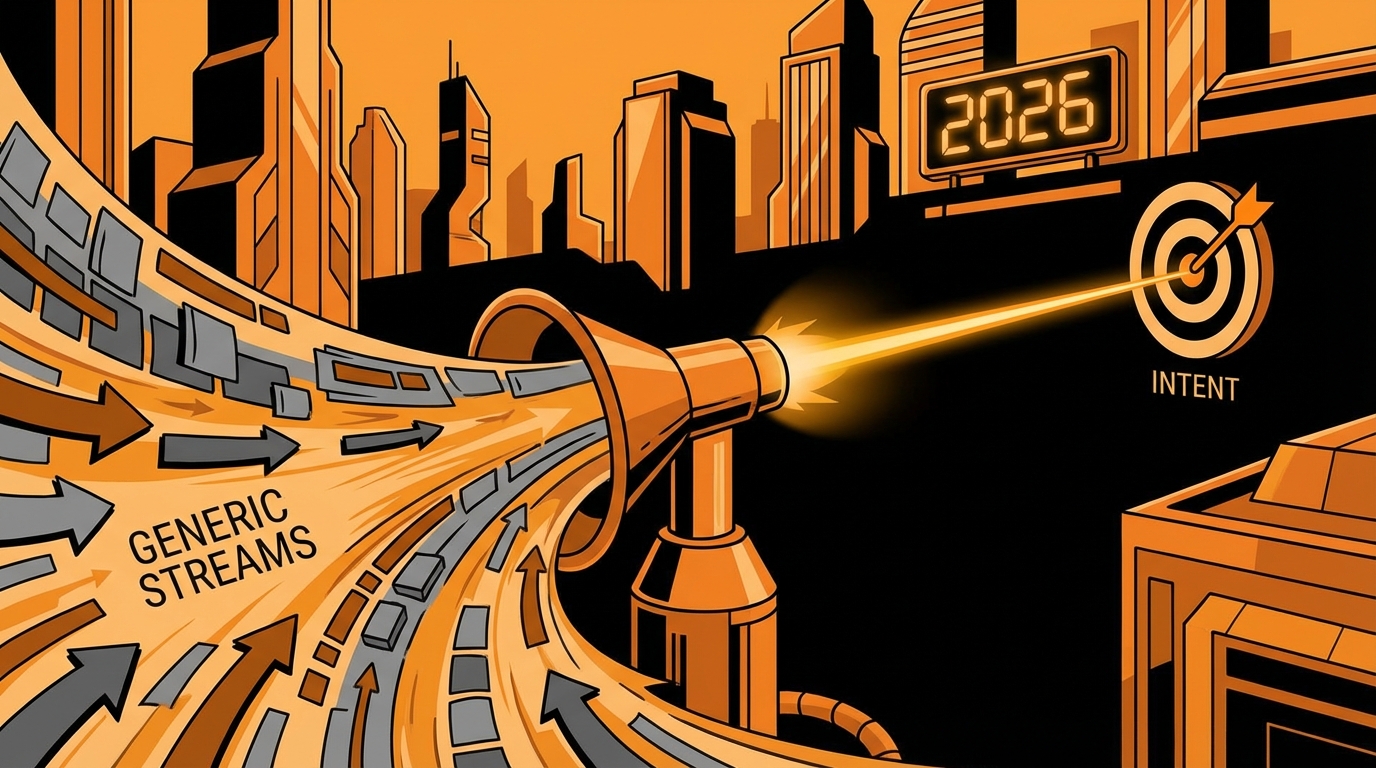
We see far too many SDR teams spinning their wheels. They buy a list of 10,000 contacts, blast out a generic sequence, and then wonder why the response rate hovers near 0.5%.
The market has matured. Prospects instantly ignore generic outreach. Your job in 2026 isn’t about volume; it’s about timing. You must reach the right person, at the right company, at the exact moment they are actively researching your solution.
This strategic shift requires moving past simple list generation. It demands a structured, AI Prospecting Workflow.
The 4 Pillars of a High-Converting AI Workflow
If your tools don’t talk to each other, you don’t have a system. You have a data silo,and data silos kill conversion. Our team structures every successful Go-To-Market (GTM) stack around these four interconnected pillars:
- Signal Capture: Identifying active, in-market demand and high-intent accounts (the “who” and “when”).
- Intelligent Enrichment: Verifying contact data, finding personal emails (critical for deliverability), and automating deep, contextual research.
- Personalized Engagement: Leveraging AI to generate unique, relevant messaging and managing deliverability at massive scale.
- Closed-Loop Measurement: Syncing all activity back to the CRM to prove ROI, optimize routing logic, and refine your ICP.
We will now break down the best tools required for each pillar.
II. Pillar 1: AI Intent & Signal Capture

The core principle of 2026 prospecting is simple: Act when the buyer is already researching.
We see too many teams treating intent data as a secondary report. This is a critical error. These AI tools eliminate guesswork by spotting active buying behavior,whether that activity is happening on your website (first-party intent), across the broader web (third-party intent), or deep inside private industry communities (the infamous “Dark Funnel”).
If you miss the signal, you miss the deal.
The 3 Critical Intent Data Categories (Tools We Use)
- Third-Party Intent (The Surge): 6sense & Demandbase. These are the enterprise-level standard. They track anonymous behavioral signals across the entire web (search, content consumption, competitor reviews). Their primary function is to tell you *which* accounts are “surging” on keywords relevant to your solution. (This is how you know they are in-market, right now.)
- First-Party Intent (The Visitor): Vector / Clearbit Reveal (or similar). These tools de-anonymize inbound website traffic. They identify the specific companies reading your case studies or, more importantly, hitting your pricing page. (These are your absolute warmest leads, instantly piped to the SDR.)
- Dark Funnel Intent (The Whisper): Common Room. Critical for modern B2B. This monitors private Slack groups, Discord channels, and forums. It alerts your team instantly when a prospect mentions a competitor or asks a question that only your solution can answer. (Ignoring the Dark Funnel means ignoring 40% of the B2B buying journey.)
We prioritize tools that feed intent data directly into the CRM. If your sales team has to check a separate dashboard to see which accounts are hot, you’ve already lost the speed advantage required to capitalize on the signal.
KPI Focus: Speed is Revenue. For any intent platform investment, we mandate a minimum target of 5-10 meetings booked per 100 surging accounts within the first 30 days. If your team cannot hit this metric, your process is too slow,not your tools.
III. Pillar 2: AI Enrichment & Validation (Data is Currency)
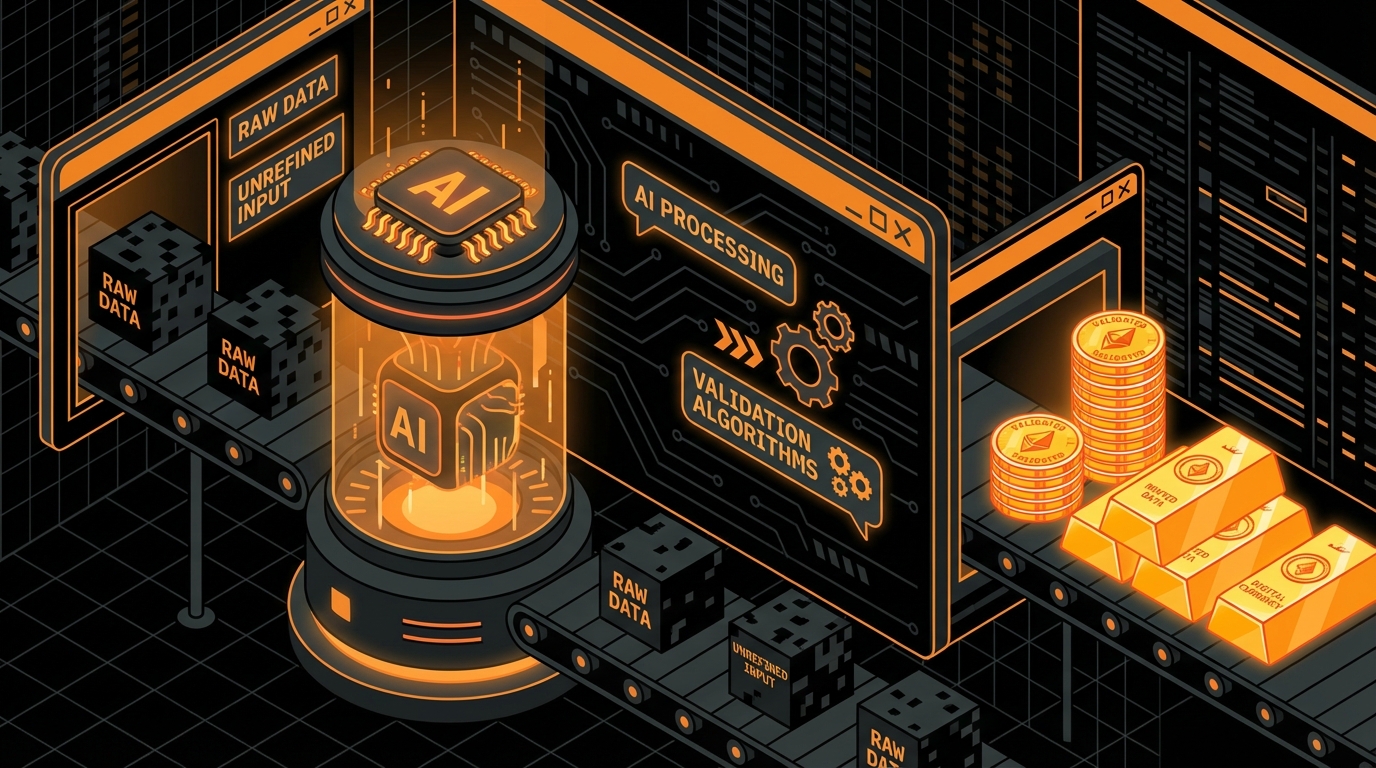
You’ve identified the surging account (Pillar 1). Now comes the hard part: finding the right contact and, crucially, their verified, personal email address.
This is where 90% of lead stacks fail. Outdated data guarantees high bounce rates, instantly destroying your domain reputation and crippling your outreach volume. If your data quality is poor, your entire prospecting effort is dead on arrival.
In 2026, relying on a single database is not just risky,it’s incompetent. We know that no single provider has 100% coverage.
To ensure accuracy, you must implement waterfall enrichment: a system that checks multiple providers sequentially until a complete, validated record is found.
Recommended Tools for Enrichment & Data Quality
- Clay: The indispensable orchestration layer. Clay is not a database; it’s a powerful engine. It allows you to chain together 150+ data providers (including premium APIs) to find the deepest, most accurate data points, specifically targeting hard-to-find personal emails and social profiles.
- ZoomInfo SalesOS: Remains the benchmark for comprehensive B2B data, especially for direct dials and corporate emails. Their AI Copilot helps prioritize outreach based on their massive dataset and real-time alerts (like job changes or funding rounds).
- Lusha / Cognism: Excellent, high-accuracy alternatives. Cognism is particularly strong in EMEA compliance and data quality, reducing legal risk while providing necessary firmographics that sync directly into your CRM.
The Pyrsonalize Advantage: Finding the Private Inbox
We built Pyrsonalize specifically to solve the enrichment bottleneck for personal email addresses. Why? Because corporate firewalls block cold outreach 9 times out of 10.
Targeting personal inboxes, however, gives you up to a 70% higher chance of landing in the primary tab. This is the strategic move that boosts reply rates immediately.
You need tools like Clay acting as the orchestrator, and Pyrsonalize acting as the dedicated, high-accuracy personal email finder. They work in tandem to achieve true depth of data quality.
KPI Focus for Enrichment Success
If you are not hitting these numbers, you are wasting time and damaging your domain health:
- Your enriched record rate (percentage of leads enriched with key fields like industry, revenue, and verified email) must be above 85%.
- Your duplicate rate must be kept under 2%.
- Your bounce rate must be maintained below 3%.
Start Your Free Trial today to see how we achieve these metrics.
IV. Pillar 3: AI Personalized Outreach & Engagement

You have the intent signal (Pillar 1) and the verified contact (Pillar 2). Now comes the execution phase. This requires two non-negotiable elements: hyper-personalization at scale and bulletproof deliverability.
Generic templates are dead. Stop sending them. Your AI must leverage the enriched data and the intent signal to craft a message that looks 100% manually researched,in seconds.
This is the only way to generate replies in 2026.
Recommended Tools for AI Engagement & Deliverability
We break the required tools into two categories: Execution Platforms (managing delivery) and Generative AI (writing the copy).
-
Execution Platforms (Deliverability & Scale):
Use tools like Smartlead.ai or Lemlist. These are the workhorses for cold email execution. They manage inbox rotation, automatically warm up sender accounts, and ensure high volume doesn’t instantly destroy your domain health.
For any serious B2B prospecting strategy, a dedicated cold outreach platform is non-negotiable. You cannot run high-volume campaigns from Gmail or Outlook.
-
Generative AI (Copy & Personalization):
Tools such as Octave or Success.ai integrate Large Language Models (LLMs) to generate dynamic, personalized messages. They take the specific research points (e.g., “Company recently hired a new VP of Sales,” “Account is surging on ‘RevOps software'”) and weave them into a compelling, 1-to-1 narrative.
-
Multi-Channel Engagement (LinkedIn):
Don’t forget LinkedIn. The best tools here use AI to draft personalized connection requests and comments based on the prospect’s recent activity, ensuring multi-channel engagement that feels natural, not automated. (We rely on a Compliant AI LinkedIn Lead Gen Stack for 2026 to handle this volume safely.)
We learned that the most effective personalization isn’t just mentioning the prospect’s company name. It’s referencing a specific event or signal that happened in the last 72 hours.
The AI must be fast, accurate, and relevant. If your personalization points are older than a week, you’ve already lost the prospect’s attention.
V. Pillar 4: RevOps & Measurement Backbone
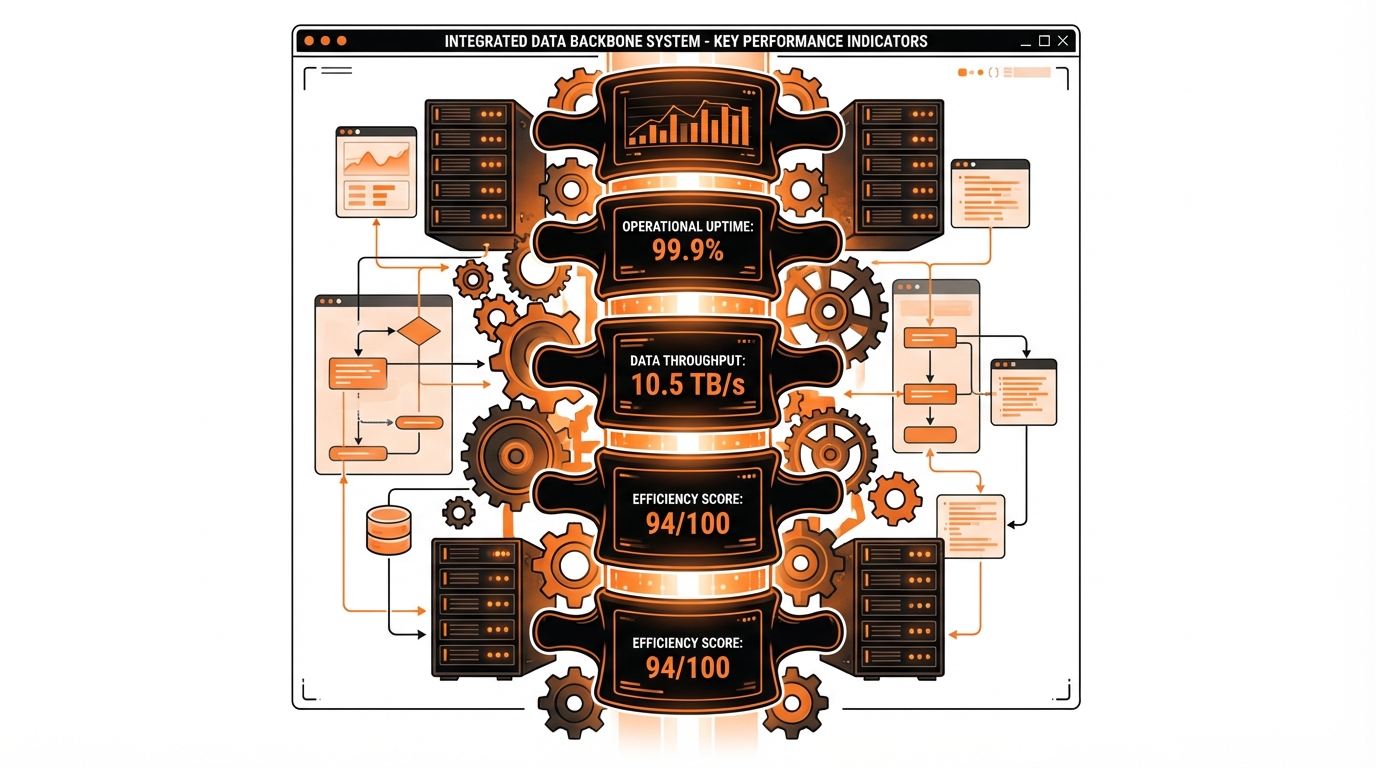
You have the intent, the contact, and the personalized message. Now, you need the system to handle the influx.
Without a strong CRM backbone, Pillars 1, 2, and 3 are just expensive, disconnected data streams. Your CRM is the only source of truth. It must manage routing, SLAs, and full-funnel attribution,non-negotiable.
The core RevOps challenge in 2026 is data integrity. We need flawless, bi-directional syncs between your outreach tools (Smartlead, Octave) and your CRM (HubSpot, Salesforce). If the data doesn’t flow instantly, your SDRs are working blind.
Required Technology: CRM & Data Integrity Tools
- HubSpot CRM: For modern, agile GTM teams, this is often the superior choice. It offers native integrations with the best new-school AI tools (like Clay). Our SDR teams rely heavily on its clean, dedicated Prospecting Workspace.
- Salesforce + Middleware (OutboundSync/Tray.io): If you are locked into Salesforce, you cannot rely on standard integrations. You need robust middleware (like OutboundSync) to ensure clean, bi-directional data flow. This bridge is crucial for logging every open, click, and reply back to the contact record instantly.
- Marketing Automation Platforms (MAPs) like Marketo: These are essential for MQL scoring and complex nurture streams. Warning: MAPs only perform well when they are fed clean, verified data from your upstream enrichment tools. Garbage in, garbage out.
The Routing Imperative (Speed-to-Lead): Your system must guarantee that a high-intent lead (e.g., a visitor from a surging account who downloaded a specific whitepaper) is routed to the correct SDR in under 5 minutes. If your Speed-to-Lead exceeds this benchmark, you are actively losing opportunities.
We track one metric above all others for this entire AI stack: the MQL-to-SQL Conversion Rate. This rate is the ultimate proof that your AI is qualifying effectively.
A healthy conversion rate for leads generated by this system should be hitting 25% to 35%. Anything lower means your intent signals or personalization (Pillars 1 and 3) are fundamentally broken.<!– VI. Critical Gap Coverage: Compliance and ROI
Most guides stop at the tool stack. They skip the messy, non-negotiable parts: regulatory compliance and true ROI tracking.
In 2026, ignoring these factors kills enterprise adoption and exposes your team to massive legal risk. We treat compliance and ROI measurement as Pillar V,the operational foundation.
The 2026 AI Compliance Checklist
Data privacy regulations (GDPR, CCPA, LGPD, etc.) are not slowing down,they are accelerating. Regulators are now focused on enforcement.
If your AI tool sources data unethically or fails to manage opt-out requests instantly, you are signing up for irreversible brand damage and crippling fines. This is not optional.
When our team evaluates any lead generation vendor, we insist on these four non-negotiable checks:
- Consent Verification: Does the vendor explicitly state how they obtain consent, especially for EU contacts? Demand specific methodology. (If they hedge or provide a vague answer, walk away immediately.)
- Data Recency and Refresh Rate: Stale data is often non-compliant data. It leads to high bounces and reputation damage. Demand a minimum quarterly refresh rate on all contact records.
- Right to Be Forgotten (RTBF): Does the platform offer automated compliance tools to manage RTBF requests efficiently across your entire database? Manual processes are liability.
- Jurisdictional Segmentation: Can you segment lists based on compliance requirements (e.g., only contact verified, opted-in leads in Germany or California)? Granularity is key to risk mitigation.
Compliance starts with your data sourcing ethics. For a detailed, step-by-step breakdown of how we built our fully compliant stack, review our blueprint: Stop Complaining: The 2025 AI Prospecting Ethics Blueprint.
ROI Benchmarks for Your Integrated Stack
Stop tracking vanity metrics (opens, clicks, unsubscribes). The only metric that matters is pipeline contribution.
If the tool doesn’t directly map to revenue,meaning it doesn’t contribute to an opportunity created or closed-won,cut it. We use these concrete, ruthless KPIs to measure the success of any integrated AI stack:
| Workflow Pillar | Key Metric (KPI) | Target Benchmark | Purpose |
|---|---|---|---|
| Signal Capture (Intent) | Meetings/100 Surging Accounts | 5–10% | Measures speed and effectiveness of sales follow-up on critical intent signals. |
| Enrichment (Data Quality) | Verified Email Deliverability Rate | > 97% | Protects sender reputation and maximizes inbox placement. Low rates mean bad data providers. |
| Engagement (Outreach) | Positive Reply Rate (PRR) | > 4% | Validates the quality of AI personalization and messaging relevance. This is the true success metric. |
| Measurement (CRM/RevOps) | Speed-to-Lead (STL) | < 5 minutes | Ensures rapid engagement with high-intent inbound leads routed through the AI system. |
| Overall Stack ROI | Pipeline ROI (Generated Revenue/Stack Cost) | 5:1 minimum | Proves the full tech stack’s contribution to revenue growth. Anything less is inefficient spending. |
VII. Future-Proofing: Predictive AI and LLMs

We’ve defined the operational blueprint for 2026 (compliance, stack optimization). Now, let’s talk strategic advantage.
The current tool stack is optimized for today, but the future belongs to predictive AI. This technology is fundamentally changing how our team scores, prioritizes, and converts leads.
It’s time to move past basic behavioral scoring (“Lead visited X page”). That’s reactive prospecting. The next generation of AI lead tools uses vast, non-obvious datasets to predict the likelihood of conversion,often before the prospect even realizes they need a solution.
Predictive AI Lead Scoring: The Signals That Matter
Modern tools are now integrating AI models that analyze hundreds of signals simultaneously. This is how we move from guesswork to statistical certainty:
- Historical Conversion Benchmarks: The AI maps which past clients converted fastest, then identifies new leads matching that specific, high-velocity profile.
- Technographic & Hiring Signals: Is the prospect using a competitor? Are they posting job descriptions that indicate an immediate infrastructure gap your solution fills? (These are high-intent signals, even if they aren’t visiting your pricing page yet.)
- Macro Market Dynamics: Analyzing how industry health, recent funding rounds, and competitive pressure correlate with successful conversion rates in their specific vertical.
This predictive layer is non-negotiable for scaling. It allows SDRs to stop wasting time on low-probability targets and prioritize accounts based purely on statistical probability of closing. (We call this high-leverage prospecting.)
The shift is profound. We are moving from reactive prospecting (responding to intent) to proactive prospecting (predicting conversion). This is where the real revenue acceleration happens.
You cannot trust the output if you don’t understand the input. We strongly recommend researching the underlying mathematical models that drive this scoring. Understanding the math is the key to trusting the output and successfully integrating it into your sales workflow.
Read our deep dive: AI Predictive Lead Scoring Models Explained.
VIII. Conclusion: Build a System, Not a Collection of Apps
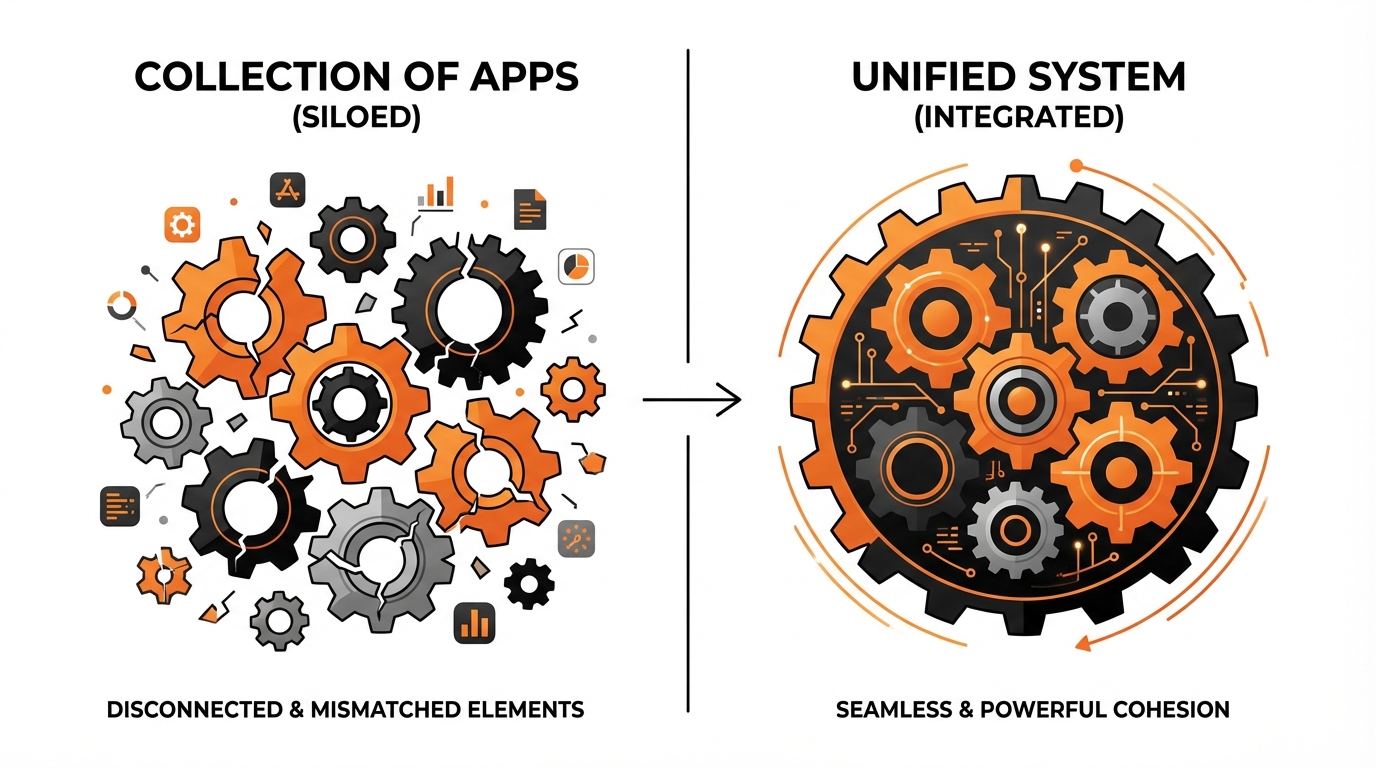
The single biggest mistake we see founders and sales leaders make is treating lead generation software as a collection of unconnected, disparate apps. That approach is dead.
The best AI lead generation tools for 2026 are not standalone solutions. They are specialized components integrated into one high-speed, scalable system.
To succeed, you must move away from manual processes and define the four critical pillars of your strategic, compliant B2B lead generation system:
- Signal Capture: Identifying the intent and opportunity instantly (e.g., using firmographic data or technographics).
- Data Enrichment (The Critical Step): Using tools like Pyrsonalize and Clay to verify contact details, find personal emails, and guarantee deliverability.
- Engagement: Delivering hyper-personalized, context-aware messages at scale, error-free.
- RevOps/CRM: Utilizing platforms like HubSpot or Salesforce to prove the ROI, maintain strict data hygiene, and ensure compliance.
Stop wasting budget and cycles on generic, batch-and-blast outreach. Our team boosted revenue by 77% by moving to this integrated, strategic stack that prioritizes speed, accuracy, and absolute compliance.
If you want to reliably boost your pipeline in the competitive landscape of 2026, you must build the system first,then plug in the necessary tools. That is the only path forward.
IX. Frequently Asked Questions (FAQs)

What is the most critical tool for B2B lead generation in 2026?
The critical tool is not the one that sends the email,it’s the one that orchestrates your data pipeline. Our team maintains that the single most critical component is Clay.
Why? Because while intent platforms like 6sense find the accounts, Clay acts as the indispensable engine that:
- Sources, verifies, and standardizes multi-sourced contact data.
- Crucially, finds accurate personal emails, not just generic corporate addresses.
- Automates the deep research necessary for true hyper-personalization.
Garbage in, garbage out. Without Clay ensuring data quality and organization, no amount of sophisticated AI outreach will succeed. It’s the foundation of your entire system.
How do I integrate my AI lead generation stack with my existing CRM?
Integration is non-negotiable. It must be bi-directional and happen in real-time. If you’re not syncing opens, clicks, and replies instantly, you are working with stale data and killing pipeline momentum. Data silos kill sales teams. Period.
We strongly recommend two paths:
- Leverage platforms with robust, native integrations (e.g., Clay to HubSpot).
- If native integration is insufficient for your high-volume needs, implement dedicated middleware (like OutboundSync for Salesforce environments).
For specific, step-by-step instructions on achieving a live sync, review our guide: AI Lead Gen & HubSpot: The 3-Pillar Integration Roadmap.
Is it still ethical to use AI for finding personal emails?
Yes, absolutely. But only provided you operate within strict compliance frameworks. We don’t chase volume; we chase quality and transparency.
Ethical data sourcing means using tools that meet these three standards:
- Verification: Data must be verified against multiple public and private sources (not just a single database).
- Transparency: Clear, accessible opt-out mechanisms must be offered in every outreach sequence.
- Jurisdiction Filtering: Contacts must be filtered based on GDPR, CCPA, and specific global jurisdictional requirements.
The key is minimizing risk while maximizing relevance. When done correctly, finding the right personal email is a strategic necessity.
Ready to build your high-speed lead system?
Stop relying on outdated data. Start your free trial and find the verified personal emails you need today.
Start Your Free Trial