

You are a SaaS founder, a high-ticket service provider, or a sales professional operating in 2025. If cold calling remains your primary engine for B2B lead generation, you are facing a catastrophic failure of resource allocation. The brutal truth is that your prospects have evolved, and their defenses against generic, interruptive outreach are impenetrable.
The market is saturated. Everyone is reasonably good at cold outreach now, which means generic outreach is no longer a differentiator-it is a liability. Your conversion rates are collapsing because you are optimizing for volume in an era that demands trust and hyper-personalization. We are not talking about “warm calling” in the traditional sense; we are talking about building systems that deliver high-intent, pre-qualified opportunities directly to your calendar, completely bypassing the gatekeepers.
This is the definitive 2025 blueprint for B2B lead generation that works without the soul-crushing rejection of outdated methods. This is mandatory reading if you want scalability without automation burnout.
Key Highlights: Why Cold Calling Is a 2024 Relic
- Conversion Collapse: Less than 2% of cold calls result in a meeting. Your time is worth more than that.
- Trust Deficit: The modern B2B buyer prioritizes trust signals and social proof above all else. Cold calling offers zero trust.
- AI Mandate: AI has raised the floor for personalization. If your outreach doesn’t look like it was written specifically for that CEO, it gets deleted.
- The 2025 Shift: We prioritize Ultra-Personalized Outbound (UPO) and Intent-Driven Inbound (IDI).
The Brutal Truth: Why Your Current Strategy Is Failing

You are struggling not because your product is weak, but because your delivery mechanism is flawed. You are attempting to build high-value relationships using low-value tactics. This misalignment is the root cause of high sales burnout and low yield.
In the past, volume offset inefficiency. Today, volume merely accelerates your descent into the spam folder. The only way to win is by shifting your focus from making contacts to engineering conversations.
Gap Analysis: Where Traditional Alternatives Fall Short
Many “alternatives” suggested by competitors-like generic content marketing or mass email blasts-are just cold calling disguised as digital outreach. They fail to address the core problem: the lack of established trust.
| Strategy | Traditional Execution (Failing) | 2025 High-Intent Execution (Mandatory) |
|---|---|---|
| Content Marketing | Posting 500-word SEO blogs that chase keywords but offer no unique insight. | Creating definitive, 5000-word blueprints and proprietary frameworks that establish you as the industry authority. |
| Cold Email | Sending 500 emails daily using basic merge tags (First Name, Company). | Sending 50 emails daily using AI-generated, hyper-specific research points (recent funding, tech stack change, competitor failure). |
| Networking | Attending large, unfocused trade shows trying to collect business cards. | Targeting micro-events, specific Slack/Discord communities, or hosting exclusive, high-value virtual roundtables. |
Pillar 1: Ultra-Personalized Outbound (UPO) – The Anti-Cold Approach
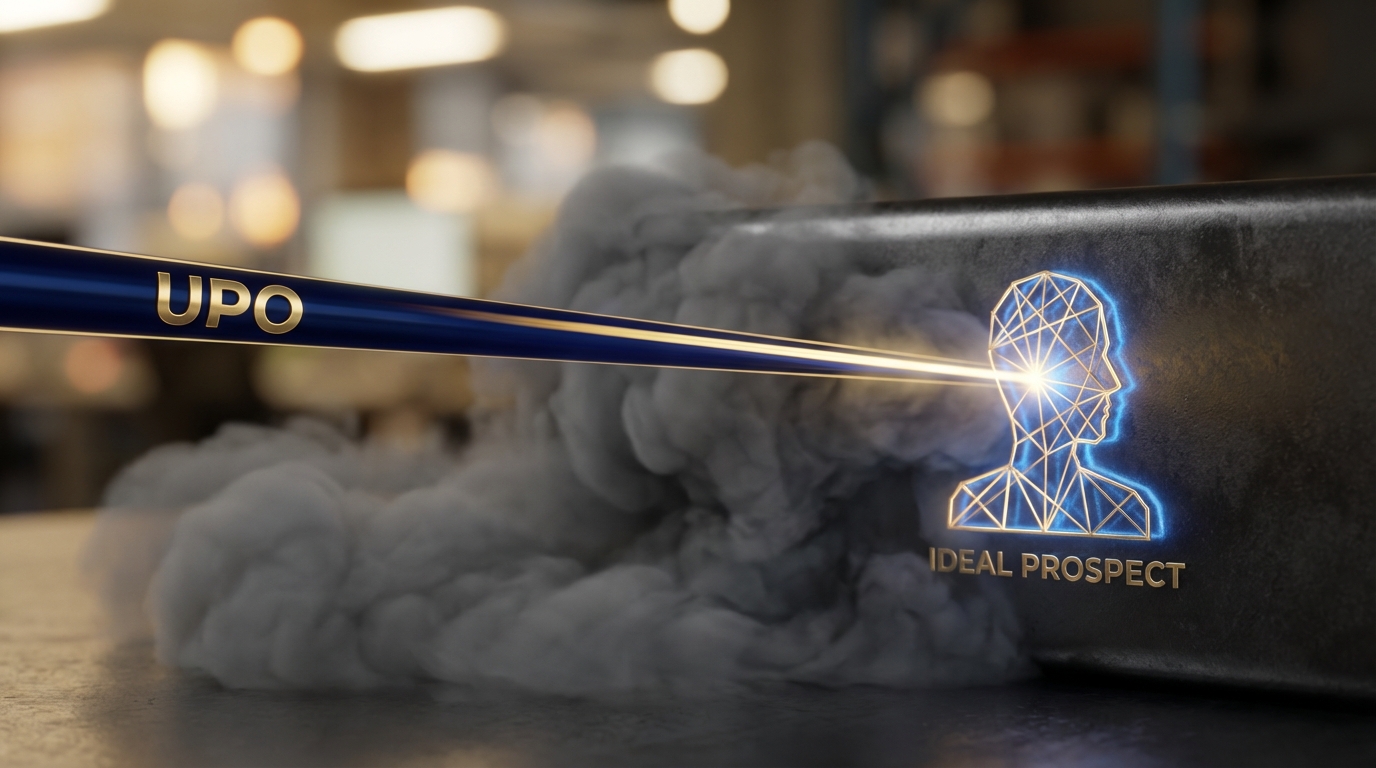
UPO is the strategic replacement for cold outreach. It mandates that every single message you send-whether via LinkedIn or email-must pass the 5-second test. If the prospect cannot immediately see why this message was written specifically for them, it fails, and you have wasted your time.
Strategy 1: AI-Driven LinkedIn Account-Based Experience (ABX)
LinkedIn is not a place for mass connection requests. It is a data goldmine for context. You must treat every target account as a unique ecosystem that requires tailored engagement.
The Execution Flow:
- Identify the Trigger: Use AI scraping tools to identify specific, high-value triggers. This is mandatory. Did they just secure Series B funding? Did they hire a new CTO? Did a key competitor just announce layoffs?
- Craft the Contextual Hook: Your opening line cannot be generic. It must reference the trigger event and immediately connect it to a pain point your solution solves. Example: “Saw your recent funding announcement-congratulations. Given the mandate for rapid scaling, are you currently bottlenecked by [Specific Process]? I specialize in solving that for companies post-Series B.”
- Bypass the Connection Request: Use InMail or, preferably, leverage AI software to find their personal email address. This is where high-intent conversion happens-in the private inbox, not the crowded LinkedIn DM box.
- The Value Exchange: Do not ask for a meeting immediately. Offer a proprietary piece of analysis or a micro-audit based on their public data. This is how you transfer trust and demonstrate competence instantly.
Strategy 2: Hyper-Contextual Email Sequences
Cold email only fails when it is truly cold. We are making it warm by using superior data and strategic timing. The goal is to maximize reply rates, not just open rates.
Key Principles for 2025 Email Outreach:
- Sender Reputation is Everything: Do not use your primary domain for high-volume outreach. Use aged, secondary domains to protect your core business reputation.
- The Fibonacci Follow-Up Strategy: Generic 3-day follow-ups are predictable. Adopt a strategic, escalating follow-up cadence (Day 1, Day 2, Day 3, Day 5, Day 8, Day 13). This ensures persistence without being perceived as spam.
- Mandatory Tracking: You must know exactly which prospects are engaging with your content. Tracking opens, clicks, and replies is non-negotiable. If you don’t track it, you can’t optimize it. The 2025 Guide to Tracking Manual Facebook Lead Generation Efforts details the necessary visibility required to manage high-intent leads.
- The Breakup Email: Your final email should not be apologetic. It should be definitive. “I assume this isn’t a priority right now, but I will circle back in Q3 when your scaling mandate shifts. Here is the link to the resource I mentioned.” This leaves the door open and maintains your authoritative position.
Pillar 2: Intent-Driven Inbound (IDI) – Engineering Trust

Inbound leads are superior because they start with established trust. The challenge in 2025 is not just attracting traffic, but attracting qualified intent.
Strategy 3: Micro-Community Authority Building
Your prospects are not passively browsing your website; they are actively seeking solutions in niche communities. You must meet them where they are and establish dominance through genuine contribution.
Forget posting generic advice on massive forums. Focus on high-leverage platforms:
- Niche Slack/Discord Channels: These are private, high-signal environments where executives discuss real pain points. Monitor these channels for keyword triggers (e.g., “CRM migration fail,” “low conversion rate,” “SaaS churn”).
- LinkedIn and Facebook Groups: You must shift from promotion to education. Answer complex questions with strategic, actionable frameworks. Do not link to your product in the first response. Offer a solution, then follow up privately. This builds immense social proof. Learn the specific tactics required for converting these members: The 2025 Blueprint: Converting Facebook Group Members into High-Intent Leads Manually.
- Quora and Reddit (Highly Specific Subreddits): Identify the 1% of questions that directly relate to your unique value proposition. Provide a comprehensive, non-salesy answer that demonstrates deep expertise. Use your profile to link back to your definitive content.
Strategy 4: The Definitive Content Mandate
If your content does not scare your competitors, it is not valuable enough. You must stop writing content that merely summarizes existing information. Your content needs to be your proprietary intellectual property (IP).
Content Must Haves:
- Proprietary Data: Publish your own case studies, conversion rates, or industry benchmarks. Data is the ultimate trust signal.
- Future-Focused Blueprints: Your content should outline the mandatory steps for success in the next 12-24 months. Position generic advice as outdated.
- Lead Magnets That Convert: Do not offer basic checklists. Offer high-efficiency tools like AI scripts, proprietary workflow templates, or a 1-hour strategy video that reveals your core framework.
Pillar 3: Referral and Partnership Engineering

Referrals are the gold standard of lead generation because the trust transfer is immediate. You cannot wait for them to happen; you must engineer them systematically.
Strategy 5: The Mandatory Client Referral System
Most businesses ask for referrals passively. High-growth businesses embed referral generation directly into their client success framework.
Execution Steps:
- Identify the Success Milestone: Do not ask for a referral at the contract signing or 30 days in. Ask immediately after a major, undeniable win (e.g., “We just increased your pipeline value by 40%”).
- Be Hyper-Specific: Never ask, “Do you know anyone who needs help?” Ask, “Who are two other COOs at $5M-$20M B2B service firms in the Northeast that you believe need to solve [Specific Pain Point] before Q1 2026?”
- Provide the Script: Make the introduction frictionless. Provide a simple, two-sentence script your client can copy and paste. This reduces the mental load and increases follow-through dramatically.
Strategy 6: Strategic Co-Creation and Joint Webinars
Co-creation is the fastest way to borrow authority and access new, high-quality audiences.
The Co-Creation Mandate:
- Target Complementary Services: Partner with non-competing firms that serve your exact Ideal Customer Profile (ICP). If you sell AI lead generation software, partner with a high-end CRM consultant or a sales training firm.
- Host Definitive Webinars: Focus the webinar on a shared, critical pain point. Do not make it a dual sales pitch. The content must be 80% actionable strategy, 20% solution demo.
- Mandatory Data Share: Agree beforehand that you both share the attendee list. This provides highly qualified, intent-based leads who have just spent 60 minutes actively engaging with your shared expertise.
Systemization and Scaling: The Non-Negotiable Framework
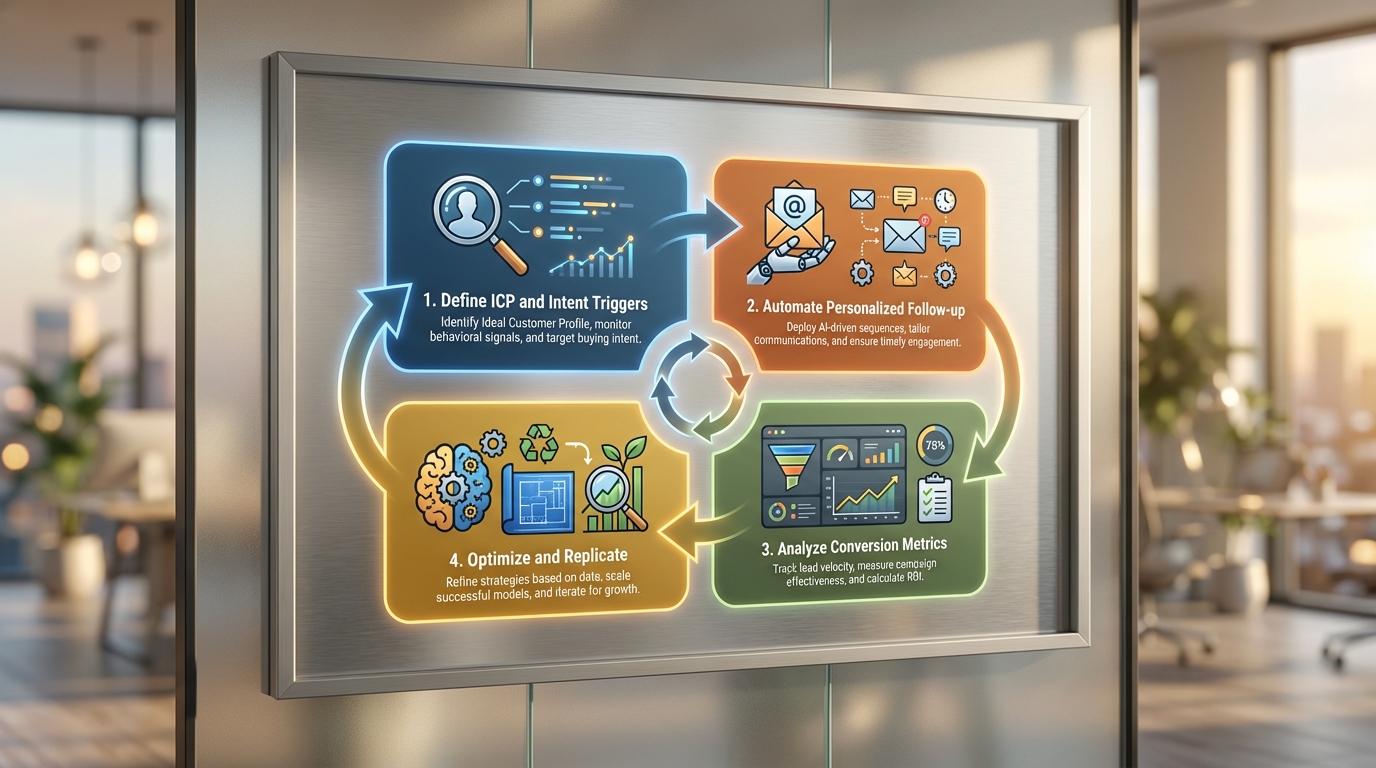
The biggest failure point for successful lead generation is systemizing the follow-up. A great lead is useless if it dies in your CRM. You need a rigorous, manual follow-up strategy that guarantees high-intent leads are nurtured until conversion.
Text-Based Infographic: The Cost of Ignoring Follow-Up
The Attrition Rate of Untracked Leads (2025 Data)
- 70% of B2B leads are qualified but not ready to buy immediately.
- 80% of sales require 5 or more follow-up attempts.
- 44% of salespeople give up after just one follow-up attempt.
- Conclusion: Your high-intent leads are being lost between attempts 2 and 5. This is a profit leakage problem, not a lead generation problem.
The Mandatory Follow-Up Strategy
Your follow-up must be strategic, value-driven, and non-intrusive. It is about providing new value at every touchpoint, not just checking in.
If you need a comprehensive system, review the definitive guide on strategic follow-up: Manual Follow Up Strategy For Facebook Lead Generation.
Pros & Cons: Shifting from Cold Calling to UPO
✅ Pros of Ultra-Personalized Outbound (UPO)
- Higher Conversion Rate: Direct connection to specific pain points ensures higher meeting-to-sale ratios.
- Lower Burnout: Sales teams deal with fewer rejections and higher quality conversations.
- Reputation Building: Every interaction reinforces your expertise, even if the prospect doesn’t buy immediately.
- Scalable Data: AI tools allow personalization to scale without sacrificing quality.
❌ Cons of UPO
- Higher Initial Time Investment: Researching and crafting hyper-personalized messages takes longer than mass dialing.
- Requires Specialized Tools: You must invest in AI lead generation software to find accurate, personal contact information.
- Dependency on ICP Clarity: If you don’t know your Ideal Customer Profile precisely, personalization is impossible.
The 2025 B2B Lead Gen Checklist for SaaS and High-Ticket Services
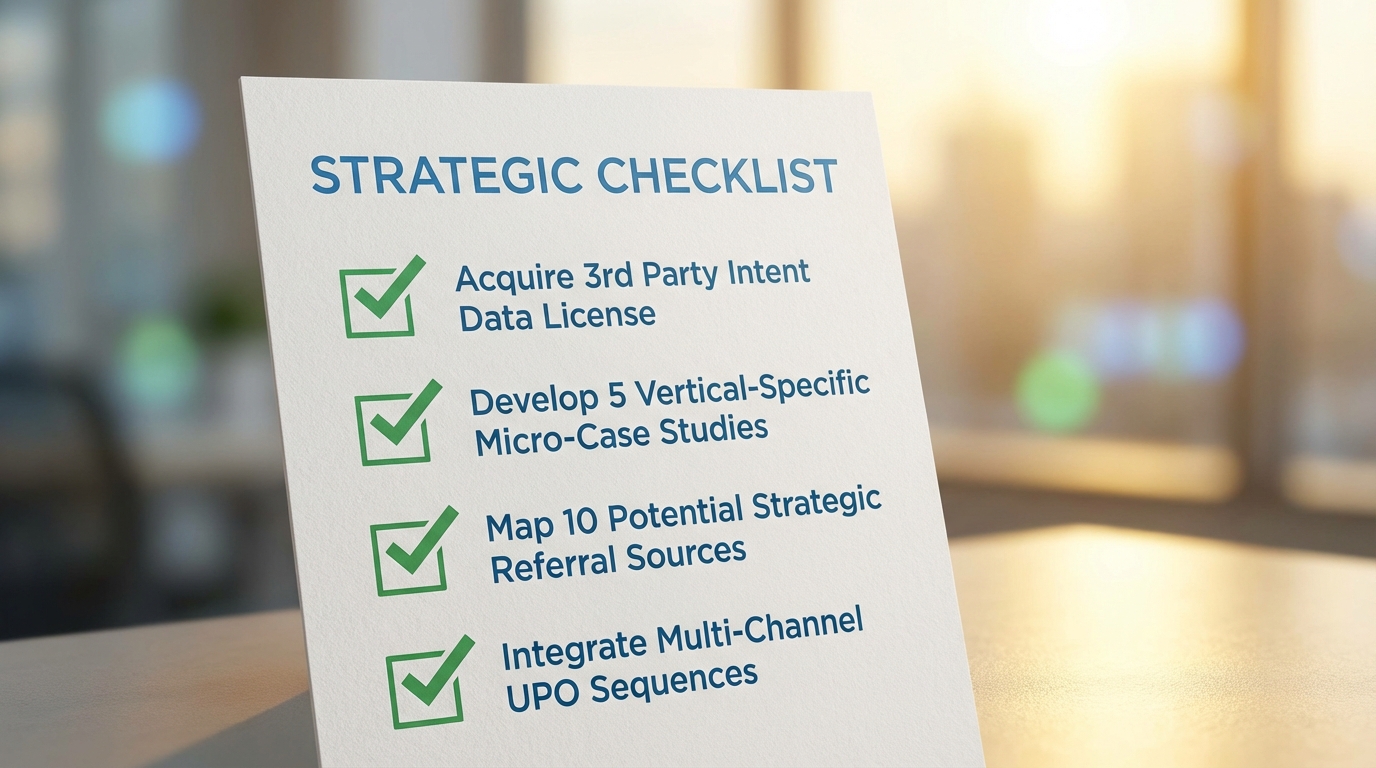
Use this checklist to audit your current lead generation system. If you cannot check off every item, your pipeline is leaking high-value revenue.
- ✅ Have you defined your ICP so specifically that you can name their three biggest operational bottlenecks?
- ✅ Are you using AI tools to find personal, verified email addresses instead of generic info@ or contact@ emails?
- ✅ Does 90% of your outbound messaging reference a specific, verifiable event (a trigger) in the prospect’s company?
- ✅ Are you actively contributing unique, proprietary frameworks (not links) in at least two high-signal, niche communities?
- ✅ Is your content marketing strategy focused on creating Definitive Blueprints rather than generic advice?
- ✅ Do you have a mandatory, automated process for asking for a referral immediately following a major client success milestone?
- ✅ Is your follow-up cadence structured to provide escalating value, not just generic check-ins?
Frequently Asked Questions

Is cold emailing just cold calling via text?
The Definitive Answer: No. Cold emailing (when done poorly) is just text-based cold calling. However, the 2025 methodology is Ultra-Personalized Outbound (UPO). UPO uses AI-driven data to ensure the email is so specific and relevant that it functions as a warm, contextual introduction, rather than a mass spray-and-pray tactic.
How do I scale personalization without hiring a massive team?
You scale personalization through technology, not headcount. This requires investing in AI lead generation software that can scrape data points (funding, hiring, technology used, recent articles) and integrate that data into your outreach templates. The human effort shifts from generic volume to strategic review and system maintenance.
How long does it take to see results from content marketing?
If you are pursuing the Definitive Blueprint strategy (high-value, long-form, proprietary content), expect long lead times-typically 6 to 12 months for organic search dominance. However, you can accelerate this by immediately leveraging that content in your UPO campaigns and community engagement strategies. Use the content as your “value exchange” in outreach today.
Should I abandon all paid ads for organic methods?
No. Paid ads are a powerful accelerator, but they must be supported by trust and reputation. You must fix your core messaging and establish organic trust signals first. Running ads when your value proposition is weak or your funnel is leaking is simply paying to accelerate a failure. Organic trust-building is the mandatory foundation; paid traffic is the scalable roof.
Ready to take the next step?
Implement the Framework/Download the Blueprint/Book a Strategy Session (Focus on high-value conversion).
Click Here