

The lead generation landscape changed permanently in 2025. Generic automation is now a liability. Your prospects-whether they are SaaS founders or high-ticket real estate clients-are fatigued by low-effort, templated outreach.
We are past the era where simply installing a basic website chatbot provided a competitive edge. Today, Conversational AI must be leveraged strategically. It must facilitate trust and enable hyper-personalized, high-intent manual outreach at scale.
This blueprint outlines the mandatory shift from reactive, passive chatbots to proactive, research-driven AI systems. We detail how to use AI not just to answer questions, but to find, qualify, and initiate highly relevant conversations with your Ideal Customer Profile (ICP).
Why Traditional Chatbots Fail in 2025

Many businesses still rely on rudimentary, rule-based chatbots. These systems offer minimal value. They are easily detectable as non-human. This approach actively degrades the perceived quality of your brand and leads to immediate prospect abandonment.
We analyze the critical limitations of reactive, low-context AI systems:
- High Abandonment Rates: Prospects hate static forms. They equally hate scripted chatbot funnels that provide no genuine context or personalized answers. Abandonment rates for low-context forms can exceed 80%.
- Zero Intent Capture: Rule-based systems cannot understand nuance. They categorize conversations based on pre-set keywords. They fail to capture the subtle, high-intent signals that drive high-ticket sales.
- Contextual Blindness: The legacy chatbot cannot access or synthesize data from external sources-like your CRM, browsing history, or public social data-to provide a truly personalized response.
- Scalability Paradox: These tools automate low-value interactions. They fail to scale the one thing that matters: authentic human connection. Your sales team still wastes time qualifying leads that the bot should have disqualified instantly.
If your Conversational AI system cannot pass the 5-second context test, it is actively hindering your lead generation efforts.
The Strategic Shift: Proactive vs. Reactive AI

The goal is not full automation; the goal is intelligent augmentation. We use AI to automate the research and drafting processes, allowing human sales professionals to focus entirely on closing the deal.
Reactive AI: The Minimum Standard
Reactive AI is essential for basic operational efficiency. This includes website chatbots and virtual assistants that handle incoming queries 24/7. These systems must utilize Large Language Models (LLMs) to understand conversational flow, tone, and intent.
Key functions of Reactive Conversational AI:
- Instant FAQ Resolution: Answering common support or product questions immediately, freeing up human staff.
- Dynamic Qualification: Asking qualifying questions dynamically based on prospect responses (e.g., budget, timeline, industry fit).
- Appointment Setting: Seamlessly integrating with scheduling software to book demos or calls based on qualification criteria.
This is the baseline. It reduces friction. It does not, however, generate high-intent leads proactively.
Proactive AI: The High-Intent Advantage
This is where strategic lead generation happens. Proactive AI is used off-site to identify targets, gather deep, actionable intelligence, and craft the initial outreach.
The focus shifts from waiting for prospects to arrive to actively scouting and engaging the most valuable targets.
Key Pillars of Proactive AI Lead Generation
- Deep Research: AI scans thousands of data points (news articles, social posts, company filings) to find specific pain points or recent achievements relevant to the prospect.
- Data Acquisition: Specialized AI tools find validated contact information, including personal emails, crucial for bypassing corporate gatekeepers.
- Hyper-Personalization: AI drafts outreach messages that reference the specific, researched data points, making the message feel human-written and 1-to-1.
This approach transforms cold outreach into relevant, warm engagement. It is the foundation of trust-based selling in 2025.
Phase 1: Leveraging AI for High-Intent Prospecting

Your lead generation system is only as good as the data it operates on. AI makes the data acquisition phase faster, deeper, and more accurate than any human research team.
Deep Research and Ideal Customer Profile (ICP) Generation
We must define the ICP with surgical precision. AI tools excel at analyzing vast datasets to identify patterns that define your highest-converting customers.
Steps for AI-driven ICP refinement:
- Input Existing Success Data: Feed the AI anonymized transcripts of your best sales calls, closed-won CRM records, and successful case studies.
- Identify Behavioral Triggers: Instruct the AI to analyze commonalities. Are successful clients often talking about market consolidation? Did they recently hire a specific executive? These are your trigger points.
- Generate Lookalike Profiles: Use the refined ICP to instruct the AI to scout the web. It searches social platforms, news feeds, and industry blogs for individuals or companies matching these exact, high-intent behavioral profiles.
This moves you away from generic targeting (e.g., “SaaS founders in the US”) toward actionable targeting (e.g., “SaaS founders who just raised Series A and mentioned scaling issues on LinkedIn last week”).
Mandatory Data Acquisition (Finding Personal Emails)
Corporate email addresses are often filtered, delegated, or ignored. To initiate a high-intent conversation, you need direct access.
Specialized AI lead generation software is necessary here. These tools bypass general email lookup services by using complex algorithms to predict, verify, and confirm private contact details. Crucially, all data acquisition must adhere to strict regional compliance (e.g., GDPR, CCPA) to safeguard brand reputation.
We leverage AI for:
- Validation and Verification: Ensuring the email address is current and actively monitored, reducing bounce rates to near zero.
- Channel Identification: Finding the prospect’s preferred channel (e.g., personal email, specific LinkedIn profile, or even a direct mobile number if appropriate for the sales cycle).
- Trust Layer Integration: Using the gathered data to immediately establish credibility in the outreach. Knowing a specific personal detail instantly differentiates your message from mass spam.
This aggressive data acquisition is not about volume; it is about signal quality. Every contact detail must be high-confidence and high-intent.
Phase 2: Hyper-Personalization and Conversational Outreach
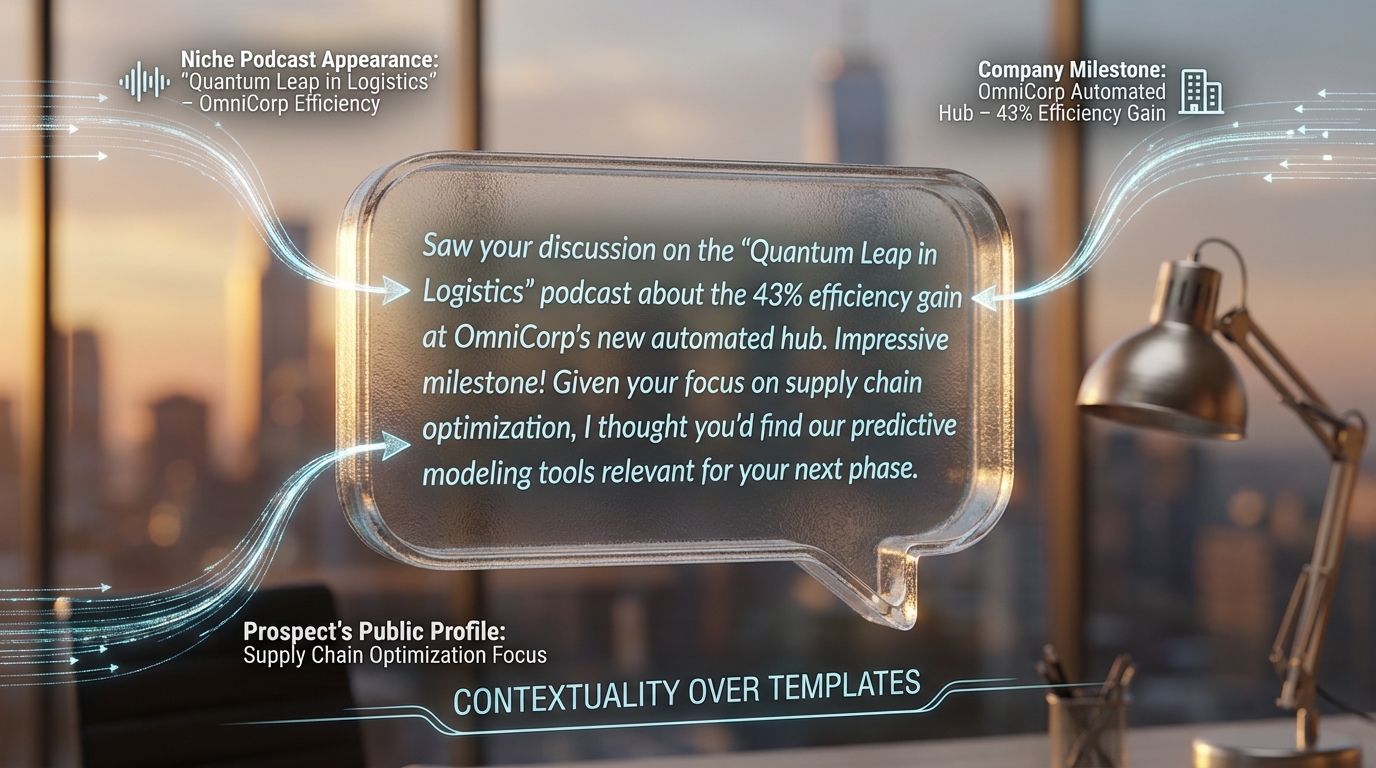
The primary barrier to manual outreach is the time investment required to draft truly unique, personalized messages. AI eliminates this bottleneck.
Moving Beyond Generic Templates (The LLM Advantage)
LLMs, when prompted correctly, can synthesize massive amounts of researched data into a concise, human-sounding outreach draft. This is the difference between a mass mail merge and a message that looks like it took 30 minutes to write.
Your system prompt should mandate the following elements:
- Specific Reference Point: The email must open by referencing a recent, public action or statement made by the prospect (e.g., “I saw your keynote address at the FinTech Summit last week…”).
- Concise Value Proposition: Clearly state how your service directly solves the problem identified in the reference point. Do not generalize.
- Low-Friction CTA: Ask for a small commitment, such as a quick 15-minute call, or offer a relevant resource, like a SaaS Lead Magnet. Avoid asking for a full demo immediately.
AI should provide the draft and the sources it used. The human sales professional must then review and apply the final layer of polish-ensuring the tone aligns perfectly with the brand voice.
Crafting the 1-to-1 Trust Bridge
The goal of the AI-drafted message is to make the prospect believe they are already in a conversation. It should feel like a peer-to-peer introduction, not a sales pitch.
We mandate the following structure for maximum impact:
| Element | AI Contribution | Human Role (Mandatory) |
|---|---|---|
| Subject Line | Generates 3-5 hyper-specific options based on research. | Selects the most natural, non-salesy option. |
| Opening Hook | Synthesizes research into a personalized opening sentence. | Verifies accuracy and adjusts emotional tone. |
| The Ask (CTA) | Suggests a relevant, low-friction next step. | Ensures the ask aligns with the sales rep’s specific availability and goals. |
Scaling Manual Follow Up Strategy
The majority of high-ticket conversions happen after the fifth touchpoint. If you rely solely on manual effort, your Manual Follow Up Strategy will fail due to fatigue and inconsistency.
AI must manage the entire follow-up sequence, ensuring persistence without sounding repetitive or generic.
How AI enhances follow-up:
- Dynamic Timing: AI analyzes historical data to determine the optimal time of day and day of the week for follow-up based on the prospect’s industry and geography.
- Contextual Bumps: Instead of a generic “Bumping this,” AI generates a new piece of relevant micro-content (e.g., a relevant industry statistic or a link to a new report) to include in the follow-up email.
- Sentiment Monitoring: If the prospect responds, AI analyzes the sentiment instantly. A neutral or slightly negative response triggers a specific, pre-approved de-escalation sequence, ensuring the human sales rep knows exactly how to proceed.
Phase 3: AI for Real-Time Qualification and Nurturing
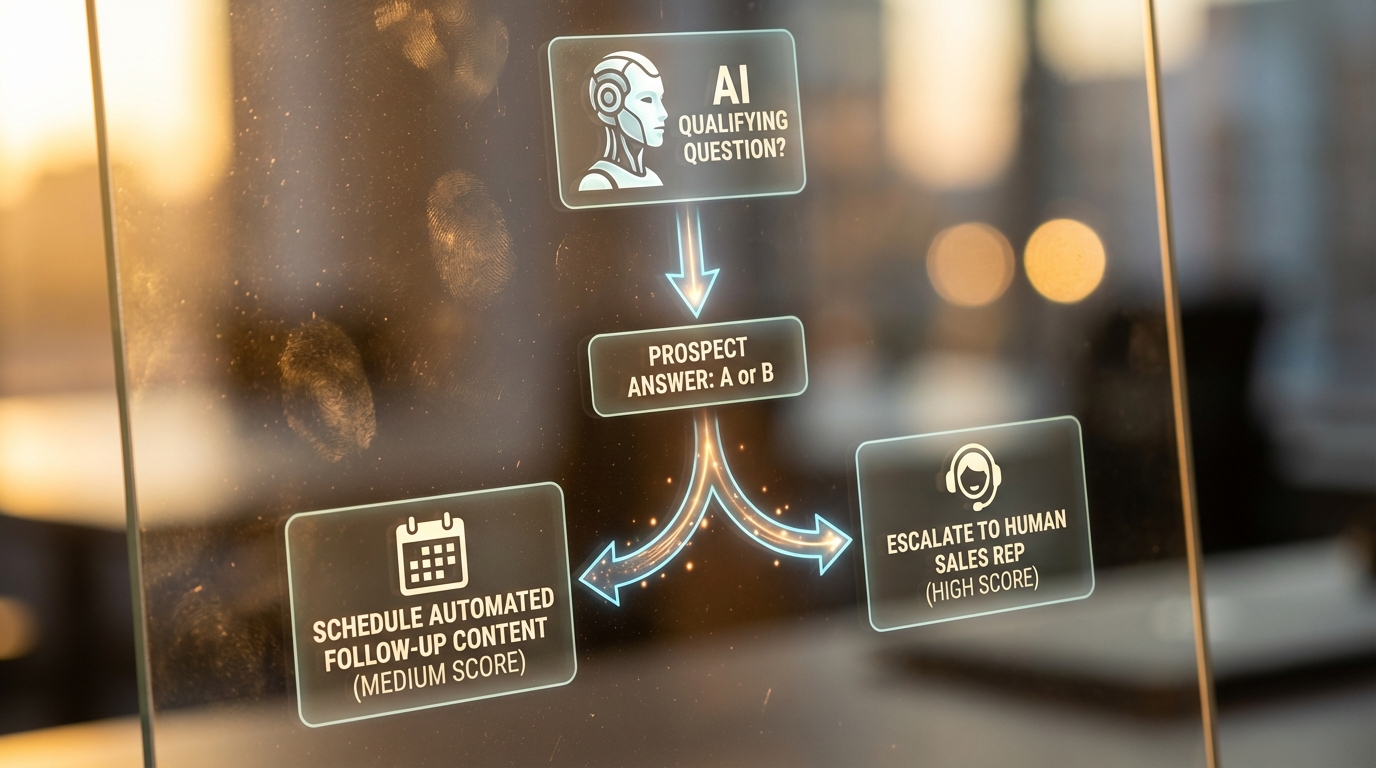
Once the conversation is initiated-whether through proactive outreach or reactive chatbot interaction-AI takes over the qualification burden.
24/7 Engagement and Dynamic Qualification
Prospects often engage outside standard business hours. Conversational AI ensures that the lead never goes cold during this critical window.
- Instant Response Time: AI responds within milliseconds. This instant gratification is mandatory in 2025.
- Adaptive Questioning: The system doesn’t follow a rigid script. If a prospect mentions “budget constraints,” the AI immediately pivots to a sequence focused on ROI and cost savings, rather than continuing a product feature discussion.
- Lead Scoring Automation: Every interaction, every page view, and every response is immediately scored. High-scoring leads are flagged for immediate human intervention (e.g., a score of 9/10 triggers an SMS alert to the sales rep).
Sentiment Analysis and Handoff Protocols
The most critical function of Conversational AI is knowing when to stop talking and when to hand the conversation to a human expert.
AI performs continuous sentiment analysis on the conversation flow:
- High-Frustration Detection: If the prospect uses aggressive language or repeatedly asks for a human, the AI must apologize and immediately open a live chat window with a sales rep.
- High-Intent Detection: Phrases like “What is the implementation timeline?” or “Who handles enterprise contracts?” indicate readiness to buy. The AI should confirm the prospect’s availability and book the human meeting instantly, minimizing further conversation.
- Contextual Briefing: Upon handoff, the AI provides the human sales rep with a concise, 3-point summary of the conversation history, the prospect’s pain points, and their current lead score. This ensures the human enters the conversation fully prepared.
This seamless handoff ensures the prospect feels valued and understood, maintaining the trust established by the initial hyper-personalized outreach.
Implementing Your AI Lead System: A 2025 Checklist
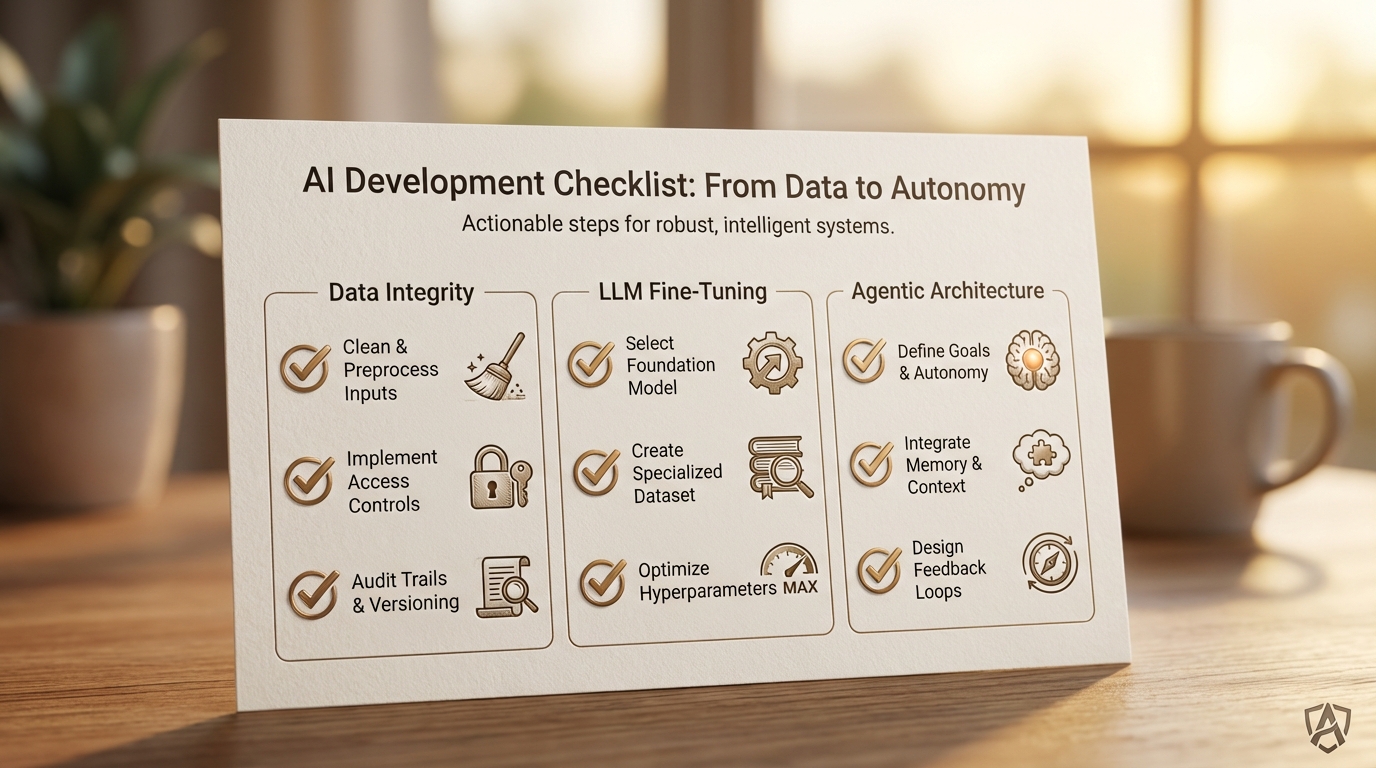
Do not attempt to implement every AI feature simultaneously. Focus on the foundational elements that drive high-intent, trust-based relationships first.
Use this checklist to audit your current system:
- ✅ Have we defined our ICP based on closed-won data, not just demographic assumptions?
- ✅ Are we using specialized AI software to find and verify personal email addresses?
- ✅ Is our AI system integrated directly with our CRM for real-time data access?
- ✅ Do we have mandatory system prompts that force outreach drafts to include specific, researched data points?
- ✅ Is a human sales professional required to review and polish all AI-generated outreach drafts before sending?
- ✅ Does our system include dynamic qualification logic that adapts based on prospect responses?
- ✅ Can our AI identify high-intent phrases and trigger an immediate human handoff?
- ✅ Are we tracking the conversion rate of AI-qualified leads versus traditionally qualified leads?
The Future is Agentic: What Comes Next?

As we move further into 2025, the next evolution of conversational AI is the fully agentic system. These agents will not just respond or draft; they will execute multi-step, complex campaigns autonomously.
Imagine an AI agent assigned the task: “Find 50 ideal prospects who need our services, research their current tech stack, draft a personalized email, and schedule the demo.”
The agent will execute all prospecting, research, data acquisition, and initial conversational outreach, only flagging the human when the prospect confirms interest or requires complex negotiation.
This level of autonomous, high-quality execution is dependent on two things:
- Superior Data Quality: The agent must have access to accurate, high-confidence contact data.
- Ethical Guardrails: The agent must operate within strict parameters, ensuring every interaction feels authentic and non-spammy. Your brand reputation is non-negotiable.
We are building systems today that prepare for this agentic future. Focus on building the data pipelines and personalization workflows now. This preparation is mandatory for maintaining a competitive edge in high-ticket sales.
Frequently Asked Questions
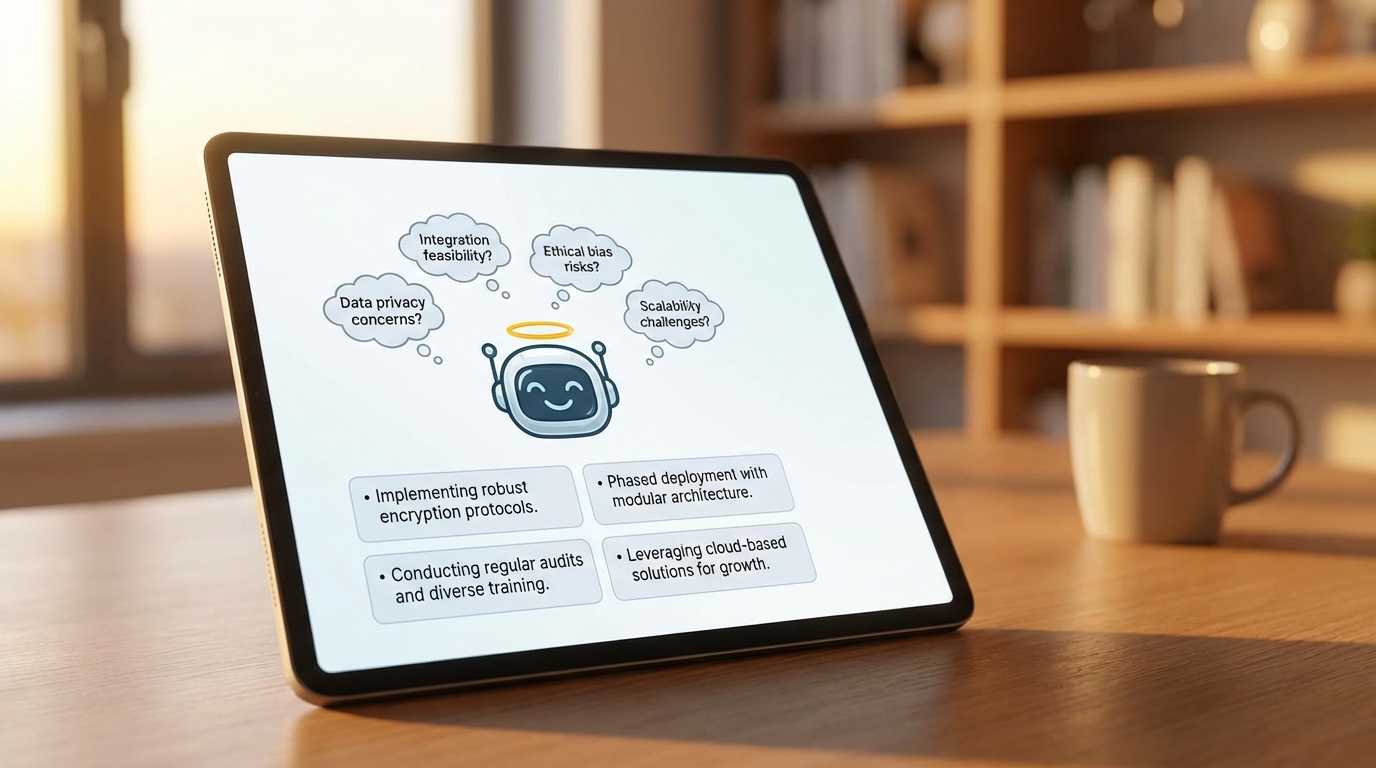
Is Conversational AI only for website chatbots?
Absolutely not. That is the outdated view. Conversational AI today is a broad category including chatbots, voice bots, and, most critically, Large Language Models (LLMs) used for deep research and hyper-personalized email drafting. Its highest value lies in augmenting proactive, manual outreach campaigns.
How do I ensure AI-generated emails don’t sound robotic?
You must enforce strict system prompts. Mandate that the AI uses specific, current, and researched context (e.g., a recent company announcement or social media post). Furthermore, the human sales professional must always review and apply a final, human polish. AI drafts for speed; humans review for authenticity.
What is the biggest risk of using AI for lead generation?
The biggest risk is relying on poor data or sacrificing personalization for volume. If you use AI to send 10,000 generic emails, you damage your domain authority and brand reputation. The strategy must be high-intent, low-volume, high-quality. Use AI to send 50 perfectly personalized emails instead of 1,000 bad ones.
Can AI replace my sales team?
No. AI replaces the drudgery-the research, the initial qualification, and the drafting. It acts as a force multiplier. It allows your human sales team to spend 90% of their time on high-value activities like relationship building, negotiation, and closing, rather than 90% on tedious prospecting.
Ready to take the next step?
Try AI Lead Generation Today
Click Here