

You are investing heavily in growth initiatives. You pour budget into Google Ads and cold outreach campaigns.
Clicks are high. Leads are entering the funnel.
But are those leads converting? The answer is likely no.
Many SaaS founders and SMB owners face this frustrating reality. They optimize lead generation perfectly, yet Return on Ad Spend (ROAS) remains dismal. Why?
The issue is foundational. It lies outside the ad platform itself.
You must seriously consider whether to stop running ads when your reputation is bad. Advertising with poor digital reputation is not scaling. It is only accelerating budget burn.
In 2025, consumer trust is the ultimate currency. Prospects trust peer reviews far more than your polished marketing claims. This guide dissects the financial imperative of pausing paid media. We must build strong Experience, Expertise, Authoritativeness, and Trustworthiness (E-E-A-T) signals first.
We advocate for a strategic pivot, not a halt to lead generation. Repair the foundation. Then, use AI-powered outreach tools, like Pyrsonalize.com, to amplify genuine customer satisfaction, not negative sentiment.
How much is your bad reputation costing you right now?
The goal is to drive conversions. A bad reputation creates a massive credibility gap that makes conversion impossible.
The High Cost of Credibility Gaps: Why Bad Reviews Kill ROI
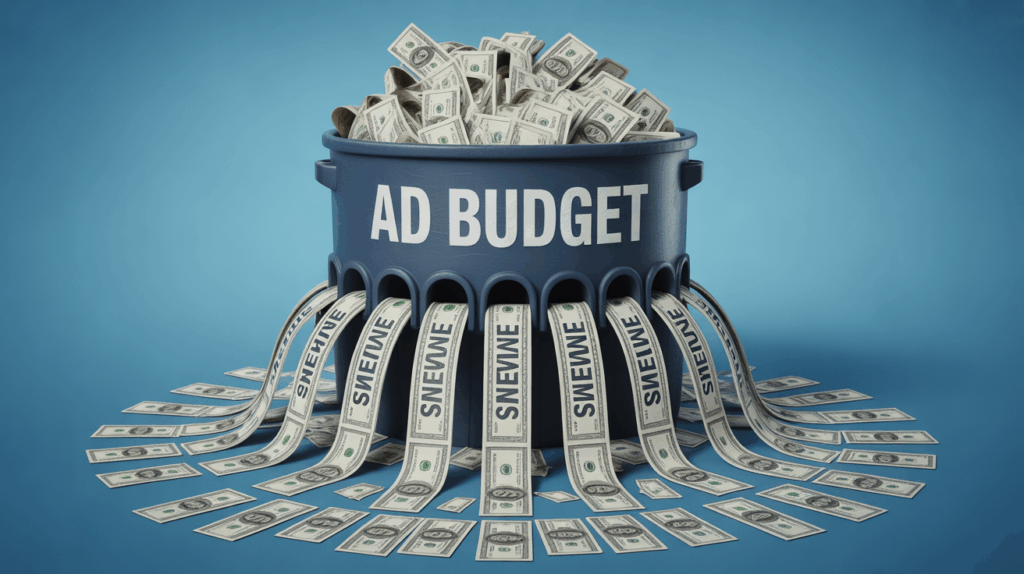
Advertising is a mechanism for awareness. It drives traffic to your digital storefront.
What happens when those high-cost visitors arrive?
They do not blindly click “Buy Now.” They research your brand instantly.
They immediately seek social proof. This research phase is where a poor reputation acts like a massive conversion leak. It renders all prior ad spend completely useless.
The Consumer Trust Calculus in 2025
Consumer behavior has fundamentally changed. Today’s prospect is sophisticated. They are skeptical of marketing claims.
They trust peers over polished copy. The data confirms this shift decisively.
- **Trust Parity:** Studies show 79% of people trust online reviews as much as a personal recommendation from a friend or family member. This is immense credibility.
- **Decision Influence:** Reviews influence over 90% of all purchasing decisions globally.
- **Local Impact:** For local service businesses, 77% of potential customers read reviews before making initial contact.
Ignoring this reality is financial negligence. You pay for the click. That click directs the prospect straight to your public service record.
If that record is poor, you have paid premium ad dollars to introduce a potential client to your detractors. This is the definitive reason why you must stop running ads when your reputation is bad.
Consider the compounding negative effects:
- **The Negative Multiplier:** A single negative review often requires 40 positive reviews to offset its impact in the eyes of a prospect.
- **Brand Erosion:** Beyond immediate conversions, offensive or consistently poor service narratives cause enduring damage. YouGov reported that 42% of customers form negative opinions about brands after viewing offensive or negative advertising context.
- **The Boycott Risk:** The stakes are higher than ever. Globally, 64% of customers will avoid buying from companies that maintain unethical or offensive practices.
Calculating the Wasted Ad Spend Multiplier
We must quantify the damage. Consider a SaaS company running a $10,000 monthly ad campaign.
The Cost Per Click (CPC) is $5. This generates 2,000 clicks.
A healthy conversion rate (5%) yields 100 leads. A 10% sales close rate nets 10 new customers.
Now, introduce a severe reputational leak: a dominant 2-star rating.
Prospects hit the landing page. They immediately search your brand. They see the 2-star rating and bounce.
This reputational gap often slashes the landing page conversion rate from 5% down to 2%. You just paid $10,000 for 40 leads instead of 100.
The Cost Per Qualified Lead (CPQL) skyrockets instantly.
The true cost of a bad reputation is the delta between your leak-ridden conversion rate and your reputation-optimized potential. This is not just lost sales. It is paying premium prices for low-intent, high-friction traffic.
Why pay $5 per click only to show a prospect how disappointed your previous customers were?
Review the undeniable impact on core metrics:
| Metric | Strong Reputation (4.5+ Stars) | Poor Reputation (2.5 Stars or Less) | Impact |
|---|---|---|---|
| Landing Page Conversion Rate | 5% – 8% | 1.5% – 3% | Up to 75% Conversion Loss |
| Cost Per Qualified Lead (CPQL) | $100 | $250+ | 2.5X Higher Acquisition Cost |
| Sales Cycle Length | Shorter (Trust is pre-built) | Longer (Requires objection handling) | Increased Sales Overhead |
| Customer Lifetime Value (CLV) | High (Loyalty established) | Low (High churn risk) | Reduced Long-Term Profitability |
The financial damage is clear. Accelerating ad spend while ignoring reputation is unsustainable.
But where exactly is the leak rooted? Before pausing campaigns, you require a precise diagnosis.
Diagnosing Your Digital Reputation Health
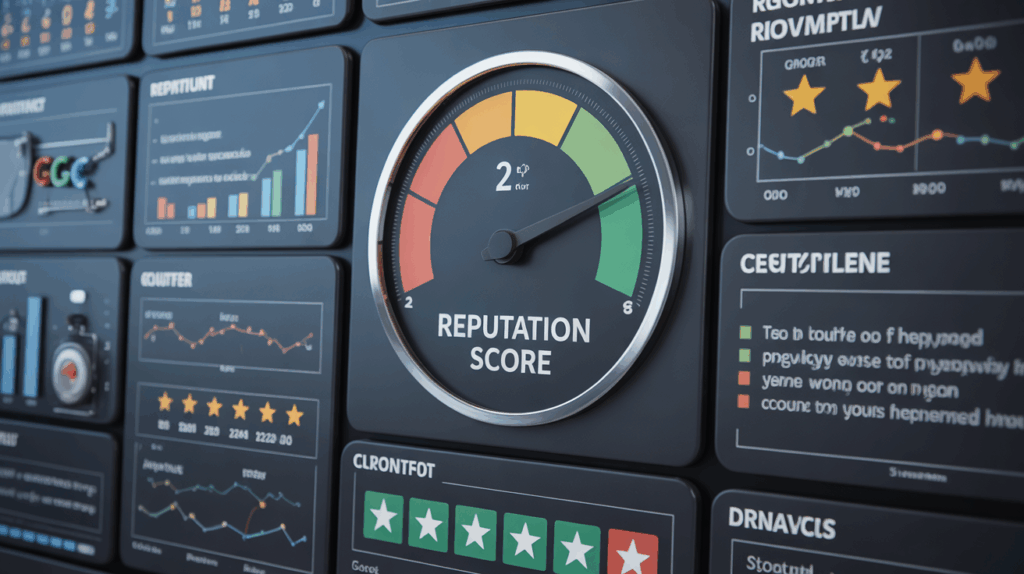
The problem is rarely confined to a single platform.
Your digital reputation spans Google Business Profile, Yelp, industry-specific sites (G2, Capterra), and social media sentiment.
Adopt a holistic view. Use AI monitoring tools to aggregate and analyze sentiment across all relevant channels.
Crucial Review Metrics to Monitor
A simple star rating provides insufficient context. You need depth.
You must understand the frequency, recency, and thematic nature of the feedback.
These metrics determine if you need to stop running ads when your reputation is bad:
- **Average Star Rating (ASR):** Google’s algorithms heavily favor higher scores. If you fall below 4.2 stars, your visibility suffers. Prospects are instantly skeptical.
- **Review Recency (E-E-A-T Signal):** Are your positive reviews from 2022? Consumers prioritize recent feedback. If the last five reviews are negative and posted this month, the damage is current and severe. Recency signals ongoing operational Expertise.
- **Response Rate and Time (Trustworthiness Signal):** Are you engaging with customers? Ignoring bad reviews confirms the negative narrative. You must respond quickly and professionally to all feedback, good or bad, demonstrating accountability.
- **Thematic Analysis:** What are the reviews actually saying? AI tools identify recurring themes: slow support, buggy software, poor billing practices. These themes pinpoint the operational issue that must be fixed before advertising resumes.
- **Platform Diversity:** High-level executives targeted via LinkedIn ads check industry-specific forums and recommendations, not just Google. Your reputation must be clean everywhere the prospect searches.
What story are your reviews telling right now?
If that story is one of warning and regret, every ad dollar buys more readers for your negative narrative.
The Silent Killer: Lack of Reviews
A poor rating is harmful. But zero rating can also be disastrous.
A lack of reviews creates a vacuum. It signals uncertainty and lack of experience to the modern consumer.
Without genuine customer stories, prospects only have your website copy to rely on. Remember, in their minds, your copy is simply advertising.
No reviews means no social proof. It means a complete absence of E-E-A-T signals.
If your competitors have hundreds of recent, positive reviews and you have ten old ones, your conversion rate will suffer drastically. This holds true regardless of how targeted your AI lead generation campaign is.
The absence of reviews is a missed opportunity. It prevents your customers from becoming your most effective brand ambassadors.
The diagnosis is complete. You have identified the leaks and the underlying operational flaws.
Now, implement the strategic pause.
The Strategic Pause: Redirecting Budget to E-E-A-T
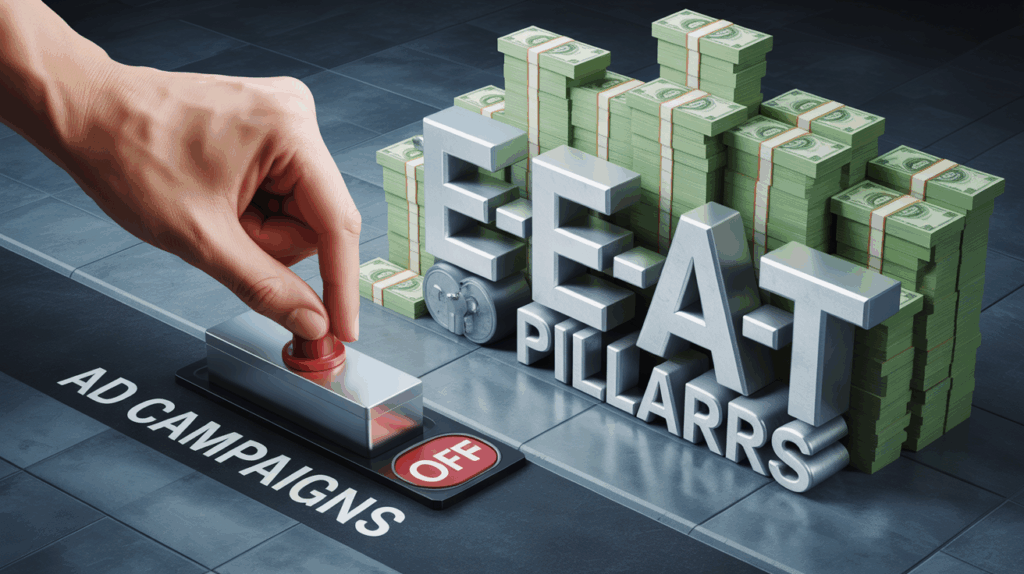
This pause is not surrender. It is a tactical retreat designed to fortify your position.
Take the budget previously earmarked for paid acquisition (Google, Facebook, LinkedIn). Redirect it entirely to reputation management and operational fixes.
How do you pivot that budget effectively and efficiently?
Leveraging AI for Proactive Reputation Management
Reputation management cannot be manual. It must be scalable, especially for high-volume service businesses and SaaS.
AI tools excel at three critical functions: monitoring, analysis, and rapid response.
- **Real-Time Monitoring:** Use AI to monitor all critical review sites instantly. Set alerts for any rating below 4 stars.
- **Generative Response:** Utilize AI to draft compassionate, professional, and compliant public responses to negative feedback. This speeds up response time dramatically, publicly demonstrating accountability.
- **Internal Feedback Loops:** Integrate customer success metrics (e.g., low NPS scores, high churn risk). If a client shows dissatisfaction, trigger an internal operational alert. Address the root issue internally before asking for any public feedback.
This proactive, AI-driven approach turns reputational liability into an asset. You publicly demonstrate that