
Introduction: Using LinkedIn Events for Lead Generation
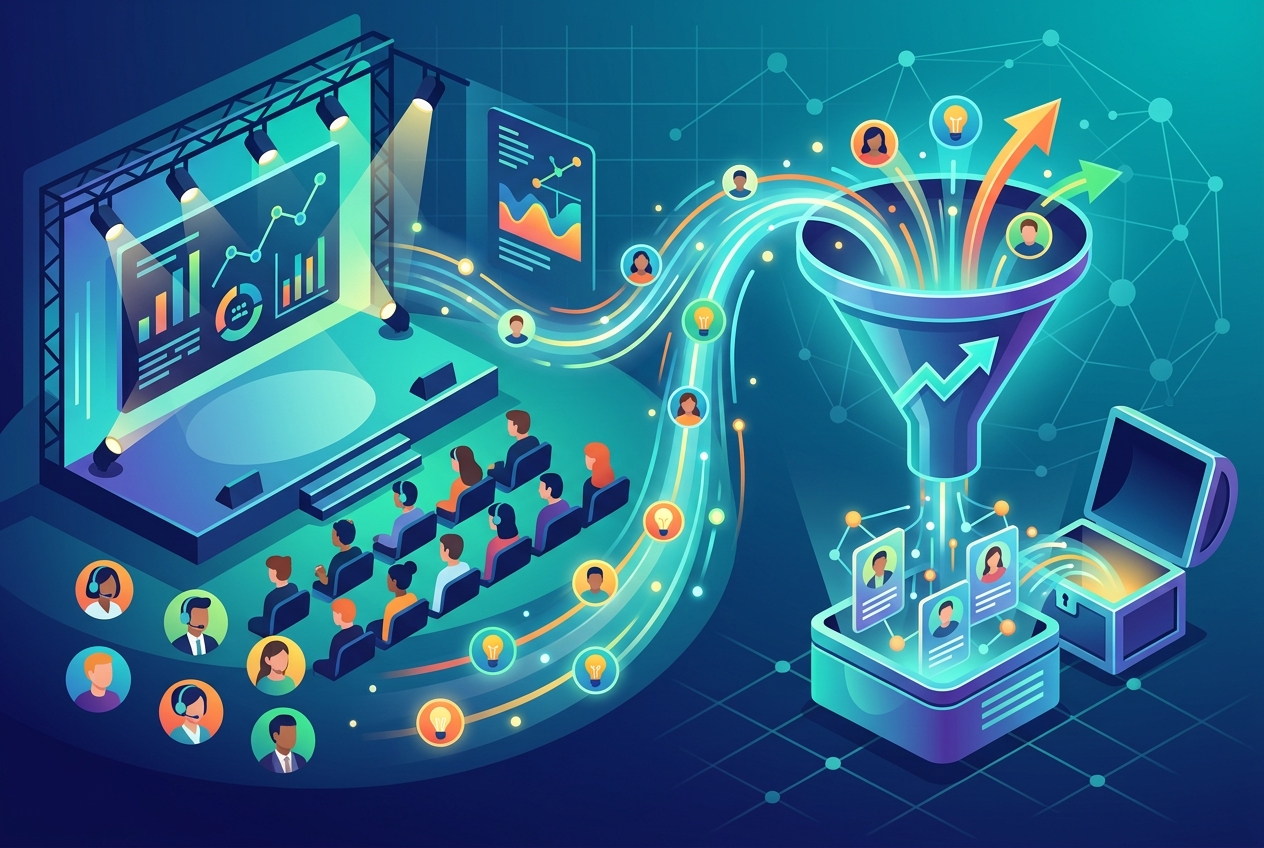
LinkedIn Events are a useful, yet frequently ignored, method for finding new customers. They provide a way to connect with prospects, develop relationships, and demonstrate what you know.
At pyrsonalize.com, we know how important it is to find leads efficiently. We will examine how you can use LinkedIn Events to attract, engage, and turn prospects into returning customers.
This involves more than just creating an event and hoping people show up. We’ll cover strategies and resources to improve your results, from writing appealing event descriptions to perfecting your follow-up after the event concludes.
Benefits of LinkedIn Events
- Direct Access: Connect directly with attendees interested in your niche.
- Targeted Reach: Promote your event to specific demographics and industries.
- Relationship Building: Foster meaningful connections through interactive sessions.
- Brand Authority: Position yourself as a thought leader in your industry.
LinkedIn events offer several advantages for lead generation. You gain direct access to people already interested in your field.
Events also allow you to target specific demographics when promoting your event. Interactive sessions help build real connections. Presenting events positions you as an expert in your industry.
What You’ll Learn
- Creating a Compelling LinkedIn Event.
- Promoting Your Event Effectively.
- Engaging Attendees During the Event.
- Following Up and Nurturing Leads.
- Using top LinkedIn lead generation tools to automate and refine your efforts.
We’ll also share how our platform, pyrsonalize.com, can refine your LinkedIn lead generation. Look for practical tips and examples!
LinkedIn Lead Generation Tools Explained
LinkedIn lead generation tools are software solutions made to refine your lead generation on the platform. They help you find, attract, and engage potential customers better.
Consider them a way to turn LinkedIn connections into qualified leads. These tools automate processes, saving time and effort.
Here’s what these tools typically provide:
- Automated Prospecting: Find leads based on criteria.
- Data Enrichment: Gather information about your prospects.
- Targeted Outreach: Send personalized messages to potential customers.
- Lead Management: Organize and track your leads.
Why are these tools helpful? Manual lead generation takes time and isn’t always effective. These tools offer advantages.
- Save Time: Automate tasks and focus on important activities.
- Improve Targeting: Reach the right audience with personalized messaging.
- Increase Conversion Rates: Nurture leads and close deals.
With many choices available, how do you pick the right tools? Consider these features:
- CRM Integration: Connect with your CRM system.
- Advanced Search Filters: Target leads based on industry, job title, location, and more.
- Automated Messaging: Send personalized messages and follow-up sequences.
- Analytics and Reporting: Track progress and measure results.
Here’s a comparison of common LinkedIn lead generation tools:
| Tool Type | Function | Benefit |
|---|---|---|
| LinkedIn Sales Navigator | Advanced search and lead recommendations | Find targeted leads quickly. |
| Automation Tools | Automated connection requests and messaging | Scale outreach efficiently. |
| CRM Integration Tools | Sync LinkedIn data with your CRM | Centralize lead management and tracking. |
By using top LinkedIn lead generation tools, you can make your LinkedIn presence a lead generation engine.
Advantages of Lead Generation Software
Lead generation software attracts and converts prospects more effectively. Automation and data insights combine to boost targeted engagement.
These tools find the *right* leads, saving time and money by improving lead quality and refining outreach. Here’s how you’ll benefit:
- Improved Lead Quality: Focus on prospects with a higher chance of conversion.
- Time Savings: Automate repetitive tasks and free up your sales team.
- Cost Reduction: Refine your outreach and reduce wasted resources.
- Increased Conversion Rates: Nurture leads and close more deals.
Ultimately, it’s about refining your sales process and getting better results. Here are some specific benefits:
- Gain Better Customer Insights: Understand your audience and personalize your messaging.
- Find and Prioritize High-Quality Leads: Focus on the most promising opportunities.
- Save Time Through Automation: Eliminate manual tasks and improve efficiency.
- Increased Conversion Rates: Turn prospects into paying customers more effectively.
By using the best linkedin lead generation tools, you invest in a more efficient sales process. Work smarter, not harder.
Gain Customer Insights with Lead Generation Tools
Understanding your audience is key to successful lead generation. How can you personalize your approach without knowing your audience?
Lead generation tools provide the answers. They track interactions and analyze engagement patterns, giving you data-backed insights. Here’s what you’ll gain:
- Deeper Understanding: Know your prospects’ interests and pain points.
- Personalized Messaging: Craft messages that resonate with your audience.
- Improved Targeting: Segment your audience for more effective campaigns.
Imagine a detailed report on every prospect. You’d see their activity, engagement, and interests. This allows you to fine-tune your messaging. Here’s how to use those insights:
- Analyze Engagement: Identify what content resonates with your audience.
- Segment Your Audience: Group prospects based on behavior and interests.
- Personalize Your Outreach: Tailor your messages to each segment.
The best linkedin lead generation tools provide the data you need. Use it to create meaningful connections and get higher conversion rates.
Finding and Prioritizing High-Quality Leads
Not all leads are equal. Some are ready to buy. Others are just browsing. Identifying and prioritizing high-potential leads is key.
Lead generation tools assist with this process. They distinguish promising prospects from those less likely to convert. Sales teams can then concentrate on the best opportunities.
These tools work through:
- Data Enrichment: Gathering detailed information about your leads.
- AI-Driven Scoring: Assigning scores based on demographics, behavior, and engagement.
- Intent Tracking: Spotting leads actively seeking solutions like yours.
Imagine knowing which leads are most likely to become customers. You could concentrate on nurturing those relationships and closing deals faster.
Here are steps to prioritize leads:
- Define Your Ideal Customer Profile (ICP): Understand the traits of your best customers.
- Implement Lead Scoring: Assign points based on ICP alignment and engagement.
- Focus on High-Scoring Leads: Prioritize reaching out to leads with the highest scores.
Using effective LinkedIn lead generation tools ensures your sales team works with the most promising leads. This increases efficiency and boosts conversion rates.
When assessing lead quality, consider these factors:
- Job Title: Does the lead have decision-making authority?
- Industry: Is the lead in your target sector?
- Company Size: Does the lead’s company match your ideal customer profile?
- Engagement: Has the lead interacted with your content or visited your website?
Prioritizing leads this way helps you focus on the most qualified prospects. It also improves your overall lead generation results.
Saving Time with Automation
Time is valuable, but manual lead generation consumes it. Automation offers a solution.
Picture freeing your sales team from routine tasks. They could then focus on building relationships and closing deals.
Automation helps through:
- Scheduled Outreach: Automatically sending connection requests and messages.
- Automated Follow-Ups: Making sure no lead is forgotten.
- Real-Time CRM Updates: Keeping your CRM data current.
Think about the hours spent manually searching for leads. Automation tools can do that in minutes.
Here are automation features to seek:
- Email Sequences: Creating automated email campaigns to nurture leads.
- Chatbots: Engaging website visitors and capturing leads around the clock.
- AI-Driven Lead Nurturing: Customizing the lead nurturing process based on behavior.
By using LinkedIn lead generation tools with automation, you can cut down on time spent on manual tasks. Your sales team can then concentrate on building relationships and closing deals.
Consider these examples of how automation saves time:
- Automated Connection Requests: Sending personalized connection requests to targeted prospects without manual work.
- Automated Message Sequences: Creating a series of messages automatically sent to new connections over time.
- Automated Lead Qualification: Using chatbots or lead scoring to automatically qualify leads based on their engagement and behavior.
Putting these automation strategies in place frees up your sales team to focus on high-value activities. It also improves your overall lead generation efficiency.
Increasing Conversion Rates
The ultimate goal is conversion. Lead generation tools help turn prospects into paying customers by delivering the right message at the right time.
Personalized engagement matters. Recommendations driven by artificial intelligence also play a vital part. These aids help nurture leads well.
Here’s how conversion rates improve:
- Dynamic Email Campaigns: Send personalized emails based on lead behavior.
- Chatbot Interactions: Engage website visitors with real-time support.
- Faster Response Times: Respond to inquiries quickly.
Imagine a lead getting an email tailored to their website activity. That shows the strength of targeted messaging.
Here are steps to improve conversion rates:
- Personalize Your Messaging: Tailor messages to each lead’s interests.
- Offer Content: Provide resources that address your leads’ pain points.
- Optimize Landing Pages: Ensure landing pages are clear and persuasive.
Using strong LinkedIn lead generation tools, you can deliver custom experiences that increase conversion rates. It involves building relationships and providing value at each stage of the funnel.
Consider these tactics to boost conversions:
- Use personalized subject lines: Grab attention and increase open rates.
- Offer a free trial: Allow leads to experience the value of your product firsthand.
- Include strong calls to action: Tell leads what you want them to do.
Implementing these tactics helps create a compelling lead generation process, leading to higher conversion rates and increased revenue.
Essential Features in Lead Generation Tools
Choosing the right lead generation tool matters. Find features that align with your business goals.
The best tools offer automation, data enrichment, and integrations. This ensures an efficient sales funnel.
Here’s a breakdown of features to consider:
- Prospecting and Enrichment Credits: Find new leads and gather data, such as company insights, verified contact info, and job roles.
- Automated Email Sequencing: Send follow-up emails based on triggers or time delays. Customizable templates are needed for lead nurturing.
- Lead Scoring and Qualification: Rank leads based on fit and intent. Prioritize high-quality prospects.
- Pipeline and Lead Management: Track prospects throughout the sales funnel. Automate lead assignments and manage follow-ups.
- Multi-Channel Outreach: Engage leads across channels like email, phone, chatbots, social media, and landing pages.
- CRM and Marketing Integrations: Sync data across platforms to create a workflow and prevent data silos.
- AI-Powered Insights: Refine outreach timing, messaging, and follow-ups. Predictive analytics and intelligent recommendations are useful.
A tool that combines these features can improve your lead generation. It increases efficiency and drives higher conversion rates.
Consider this table to help prioritize features:
| Feature | Benefit |
|---|---|
| Automated Email Sequencing | Nurture leads with personalized follow-ups. |
| Lead Scoring | Focus on the most promising prospects. |
| CRM Integration | Maintain a unified view of your leads. |
By focusing on these features, you can select strong LinkedIn lead generation tools for your business and refine your lead generation strategy.
Prospecting and Enrichment Credits
Prospecting and enrichment credits help you find new leads and reveal details about them. Consider them the resource that fuels your lead generation.
These credits provide access to information, including company insights, verified contact details, and job titles. This data helps you identify potential customers more effectively.
Here’s why these credits matter:
- Find New Leads: Discover potential customers you might miss otherwise.
- Gather Key Information: Learn about your leads’ companies, roles, and contact details.
- Improve Targeting: Focus your outreach on the most qualified prospects.
Without these credits, you lack data that can improve your lead generation. You miss opportunities to connect with the right people.
Here’s how to get the most from your prospecting and enrichment credits:
- Define Your Ideal Customer Profile (ICP): Know exactly who you’re targeting.
- Use Advanced Search Filters: Target leads based on specific criteria.
- Prioritize High-Potential Leads: Focus your credits on leads that align with your ICP.
The best LinkedIn lead generation tools offer a supply of prospecting and enrichment credits. They also let you buy more as needed. Choose a tool that fits your budget and lead generation goals.
Consider these questions when evaluating prospecting and enrichment credits:
- How many credits are included in the base plan?
- What types of data are included (e.g., company insights, contact information)?
- How much does it cost to purchase additional credits?
- Are there any limitations on how the credits can be used?
By evaluating these factors, you can choose a lead generation tool that provides the right amount of prospecting and enrichment credits to meet your needs and improve your lead generation.
Automated Email Sequences for Lead Nurturing
Automated email sequences nurture leads. They let you send a series of emails to prospects automatically, triggered by time or actions.
Think of it as a follow-up system that works constantly. It ensures communication and helps move leads through the sales process.
Here’s why this is effective:
- Consistent Communication: Keep your business visible to prospects.
- Personalized Messaging: Tailor your emails to each lead’s interests.
- Efficient Lead Nurturing: Guide leads through the sales process automatically.
Customizable templates are important. They allow you to create emails that connect with your audience.
Here’s how to create effective email sequences:
- Define Your Goals: What do you want to accomplish with your sequence?
- Segment Your Audience: Tailor your messaging to groups of leads.
- Create Engaging Content: Provide information and address your leads’ problems.
The best LinkedIn lead generation tools offer email sequencing features. They also provide analytics to track progress and refine your campaigns.
Consider these elements for a successful email sequence:
- A Welcome Email: Introduce your company.
- A Value-Driven Email: Provide information or resources.
- A Case Study Email: Showcase success stories.
- A Call-to-Action Email: Encourage leads to take the next step.
By implementing automated email sequences, you can nurture leads and improve your lead generation. It’s about building relationships and providing value at each stage.
Lead Scoring, Qualification, and Pipeline Management
Lead scoring and qualification is a key part of lead generation. It ranks prospects based on two things: how well they fit your ideal customer and their likelihood to buy.
Demographic fit looks at how closely a prospect matches your ideal customer profile. Buying intent measures how likely they are to purchase. This helps sales teams concentrate on the most promising prospects. Prioritizing these leads makes you more efficient and effective.
Here’s why scoring and qualification matters:
- Improved Efficiency: Focus on leads most likely to convert.
- Strategic Resource Allocation: Allocate resources to high-potential leads.
- Increased Conversion Rates: Nurture leads effectively and close more deals.
Imagine knowing which prospects are most likely to become customers. You can adjust your approach and improve your chances of success. To implement lead scoring and qualification well, start by defining your Ideal Customer Profile (ICP). Understand what makes your best customers tick.
Next, assign points based on demographics. Award points for things like job title, industry, and company size. Also, track buying intent by watching website activity, content downloads, and how people interact with your marketing.
The best linkedin lead generation tools offer lead scoring models you can change. They also give you insights into how leads behave and engage.
When building your lead scoring model, think about these things:
- Job Title: Is the lead a decision-maker or influencer?
- Industry: Is the lead in your target industry?
- Company Size: Does the lead’s company fit your ideal customer profile?
- Website Activity: Has the lead visited key pages on your website?
- Content Downloads: Has the lead downloaded resources?
- Email Engagement: Has the lead opened or clicked on your emails?
Scoring and qualifying leads ensures your sales team works with the most promising ones. This gets the most out of your resources and improves lead generation overall.
Pipeline and lead management is the foundation of a good sales process. It involves tracking prospects, automating tasks, and making sure no lead gets forgotten. These tools give you a single view of your leads and how they’re moving through the sales process. This makes your sales process smoother and improves teamwork.
Here’s what makes pipeline management valuable:
- Centralized View: See all your leads in one place.
- Automated Tasks: Automate lead assignments and follow-ups.
- Improved Collaboration: Enhance communication between sales and marketing.
Picture having a clear view of your entire sales pipeline. You’d know where each lead is and what should happen next. To manage your pipeline well, start by defining your sales stages. Outline the steps in your sales process. Then, automate lead assignments, sending leads to the right sales reps automatically.
Finally, track lead progress as they move through the pipeline. The best linkedin lead generation tools provide pipeline management features. They also offer reports and analytics to track your progress and find areas to improve.
For good pipeline management, consider these elements:
- Clear Sales Stages: Define each stage of your sales process clearly.
- Automated Workflows: Automate tasks like lead assignment and follow-up.
- Reporting and Analytics: Track key metrics like conversion rates and deal size.
Good pipeline and lead management makes your sales process more efficient, improves teamwork, and helps you increase revenue. It’s about having a clear plan and following it.
Here are some specific advantages of pipeline and lead management:
- Increased Sales Productivity: Sales reps can focus on selling, not administrative tasks.
- Improved Forecasting: Accurate pipeline data allows for more reliable sales forecasts.
- Better Customer Experience: Processes lead to a better customer experience.
By focusing on these advantages, you can create a more efficient sales process that gets results.
Multi-Channel Outreach
Reaching prospects where they spend their time is key to lead generation. Don’t rely on just one method. Instead, diversify your outreach for greater effect.
Consider email, phone calls, chatbots, social media, and landing pages. Each plays a part in a coordinated strategy.
Here’s why a varied approach matters:
- Wider Reach: Connect with prospects using their preferred channels.
- Customized Messages: Adapt your message for each channel’s audience.
- Better Engagement: Increase the chances of getting a response.
Imagine connecting with a prospect on LinkedIn and then following up with an email. That coordinated approach demonstrates the potential of multi-channel marketing.
To implement this effectively:
- Determine Preferred Channels: Where do your target prospects spend the most time?
- Craft Platform-Specific Content: Adjust your messaging to fit each platform.
- Connect Your Channels: Provide a fluid experience across all touchpoints.
The top LinkedIn lead generation tools offer multi-channel capabilities. They also provide analytics to monitor performance across different channels.
Consider these platform-specific tactics:
- Email: Send customized emails to nurture leads and share content.
- Phone: Call directly to qualify leads and develop connections.
- Chatbots: Interact with website visitors and quickly answer questions.
- Social Media: Share interesting content and join relevant discussions.
- Landing Pages: Build focused landing pages for specific campaigns.
A multi-channel outreach strategy can expand your reach, improve engagement, and increase conversion rates. The key is to be present and relevant on the channels your prospects use.
Here are some additional tips for successful multi-channel outreach:
- Keep a consistent brand voice across all channels.
- Monitor your results and adjust your strategy.
- Use automation to improve your outreach.
By following these tips, you can develop a more effective multi-channel outreach strategy that produces results.
CRM and Marketing Integrations
Integrating your CRM with marketing platforms creates a more fluid workflow. It synchronizes data across systems, preventing data silos and keeping everyone informed.
Think of it as the central nervous system for your sales and marketing efforts. When all teams access the same information, they can collaborate effectively and provide a better customer experience.
Here’s why these connections are important:
- Consistent Data: Ensure everyone uses the same information.
- Better Collaboration: Enable smooth communication between teams.
- Improved Customer Experience: Deliver a consistent and tailored experience.
Imagine your sales team knowing exactly which marketing materials a lead has viewed. That insight comes from integration.
To implement CRM and marketing integrations well:
- Determine Key Connections: Decide which platforms should connect.
- Select Appropriate Tools: Choose tools that integrate easily.
- Configure the Connections: Set up the integrations to automatically sync data.
The top LinkedIn lead generation tools offer strong CRM and marketing integrations. They also provide support to help with setup and management.
Consider these integration benefits:
- Automated Data Transfer: Eliminate manual data entry and reduce errors.
- Real-Time Updates: Ensure access to the most current information.
- Better Reporting: Gain a full view of sales and marketing performance.
By connecting your CRM and marketing platforms, you can improve efficiency and achieve better results. It’s about creating a unified, data-driven approach to lead generation.
Here are some specific examples of how these integrations can help:
- Automatically add new leads from LinkedIn campaigns to your CRM.
- Track lead engagement with marketing content in your CRM.
- Personalize marketing emails using CRM data.
Using these integrations creates a more efficient lead generation process that delivers results.
Using AI to Refine Lead Generation
Artificial intelligence can refine lead generation by improving outreach timing, messaging, and follow-ups. Predictive analytics and intelligent recommendations can produce better outcomes.
This capability supports data-driven decisions. It helps personalize outreach for a stronger effect. The goal is to work more strategically.
Artificial intelligence is valuable for these reasons:
- Improved Engagement: Connect with prospects at the right moment with the right message.
- Increased Conversion Rates: Develop leads effectively with personalized recommendations.
- Data Driven Decisions: Make informed choices based on predictive analytics.
Imagine knowing the prime time to contact a prospect. Artificial intelligence offers that insight.
Here’s how to put AI to work:
- Analyze Predictive Analytics: Spot patterns and trends in your lead data.
- Personalize Your Messaging: Adjust your messages based on AI suggestions.
- Optimize Your Timing: Contact leads when they’re most receptive.
The top LinkedIn lead generation solutions offer AI and provide actionable advice.
Consider these AI-driven features:
- Predictive Lead Scoring: Pinpoint leads with the highest chance of converting.
- Optimal Send Times: Learn when to send emails for maximum impact.
- Content Recommendations: Suggest relevant content for each lead.
By using AI, engagement can improve, conversion rates can climb, and revenue can increase. The aim is to use data to make better choices and personalize outreach.
Here are examples of how AI can refine lead generation:
- AI can assess a lead’s LinkedIn profile and propose personalized talking points for initial contact.
- AI can forecast which leads are most likely to attend a LinkedIn event based on their previous actions.
- AI can refine email subject lines to raise open rates.
Adopting AI can help you gain an advantage and improve lead generation results.
Selecting Lead Generation Tools
Several tools can improve your lead generation. They provide features like contact finding, email verification, and sales automation.
The appropriate tool depends on your specific requirements. Consider these categories:
- Contact Finding Tools: These uncover email addresses and contact details for potential leads.
- Email Verification Tools: These ensure emails reach active addresses, boosting deliverability.
- Sales Automation Tools: These automate repetitive actions, like sending connection requests and follow-up messages.
Here’s a look at factors in choosing a tool:
- Your Budget: Some tools have free plans or trials, while others involve a subscription.
- Your Team Size: Think about how many users will require access.
- Your Technical Expertise: Select a user-friendly tool that integrates with current systems.
Consider these aspects when assessing tools:
- Data Accuracy: Verify the tool offers correct and current contact data.
- Integration Capabilities: Confirm the tool connects with your CRM and other platforms.
- Automation Features: Seek tools that automate tasks, such as lead scoring and follow-up.
Here’s guidance to help narrow your choices:
| Need | Tool Category | Key Features |
|---|---|---|
| Finding Contact Information | Contact Finding Tools | Email verification, database size, search filters. |
| Automating Outreach | Sales Automation Tools | Automated messaging, lead scoring, CRM integration. |
| Improving Email Deliverability | Email Verification Tools | Bulk verification, real-time verification, API access. |
Careful consideration of your needs and evaluation of available tools will help you find the best LinkedIn lead generation solutions to improve your efforts and meet your business objectives.
UpLead
UpLead is a B2B contact database designed to locate verified leads. It can be a primary resource for connecting with potential B2B customers.
This tool suits businesses seeking to broaden their reach. It facilitates connections with decision-makers and influencers.
UpLead provides:
- Real-Time Contact Verification: Confirms valid email addresses.
- Extensive B2B Database: Grants access to a large pool of potential leads.
Real-time verification lowers bounce rates. This protects your sender reputation. It also makes sure messages get to the intended recipients.
To use UpLead effectively:
- Define Your Target Audience: Determine your ideal customer.
- Use Advanced Search Filters: Refine your search for relevant leads.
- Verify Contact Information: Confirm data accuracy before reaching out.
Using UpLead refines your prospecting. You can connect with higher-quality B2B leads. This makes it a good addition to your collection of LinkedIn lead generation tools.
When considering UpLead, ask:
- Does the database include your target industries?
- Does the tool offer advanced search filters?
- What is the contact information accuracy rate?
Careful evaluation will help you decide if UpLead suits your business.
Hunter
Hunter finds and verifies email addresses. It simplifies ensuring your outreach is effective.
Hunter uncovers contact details. It also confirms the accuracy of existing email lists.
Hunter provides:
- Email Verification: Validates email deliverability.
- Bulk Email Searches: Finds multiple email addresses at once.
- Domain Searches: Locates email addresses linked to a specific domain.
Email verification lowers bounce rates. It also protects your sender reputation. This helps ensure emails arrive.
To use Hunter effectively:
- Use Domain Searches: Find email addresses at target companies.
- Verify Email Addresses: Keep your contact list accurate.
- Integrate with Your CRM: Refine lead generation.
Using Hunter can improve email marketing. It also ensures contact list accuracy, making it a good addition to your LinkedIn lead generation tools.
When considering Hunter, ask:
- How accurate is the email verification?
- Does the tool offer bulk email search?
- Does the tool connect to your CRM and marketing platforms?
Careful evaluation will help you decide if Hunter suits your business.
Unify
Unify is a go-to-market platform that automates sales intelligence and engagement. It’s an all-in-one system for warm outbound prospecting.
The platform uses intent data and AI to handle tasks. It identifies target personas and enables personalized engagement at scale, connecting you with the right prospects at the right moment.
Here’s what makes Unify notable:
- Automated Workflows: Refine your sales intelligence and engagement processes.
- Intent Data: Find prospects actively seeking solutions like yours.
- AI-Powered Personalization: Connect with prospects using tailored messaging at scale.
Automation is important because it frees your sales team to concentrate on building relationships and closing deals.
To use Unify effectively:
- Define Your Target Personas: Know your ideal customer.
- Use Intent Data: Focus on prospects showing buying signals.
- Personalize Your Engagement: Tailor your messaging to each prospect’s needs.
Using Unify can generate a qualified pipeline. It also supports your sales, growth, and marketing teams, making it a useful addition to your best linkedin lead generation tools.
Consider these questions when evaluating Unify:
- Does the platform offer strong intent data capabilities?
- Does the platform integrate with your existing CRM and marketing automation systems?
- Does the platform offer personalized engagement features?
Carefully consider these points to decide if Unify is the right go-to-market technology platform for your business.
pyrsonalize.com: Your Lead Generation Resource
At pyrsonalize.com, we understand the challenges of lead generation. Keeping up demands the right knowledge and resources.
Our blog offers actionable advice, focusing on strategies that produce results for sales and marketing teams.
Here’s how we assist you in converting more leads into customers:
- AI Lead Generation: Learn how to use artificial intelligence to identify and qualify high-potential leads.
- Cold Outreach Strategies: Master effective cold outreach to connect with new prospects.
- Sales Automation Tips: Refine your sales process with automation tools and techniques.
We offer insights on:
- Crafting compelling messaging that resonates with your target audience.
- Refining your sales funnel for higher conversion rates.
- Using the best linkedin lead generation tools to automate and expand your efforts.
Our aim is to provide the knowledge and resources you need to thrive in a competitive market. Expect more practical tips and real-world examples.
Mastering Lead Generation with LinkedIn Events
LinkedIn Events, paired with suitable lead generation tools, become a strong source of qualified prospects. Implementing the techniques discussed here can significantly improve your lead generation results.
At pyrsonalize.com, we aim to help you realize the full possibilities of LinkedIn for your business. It’s about more than just finding leads; it’s about establishing connections and encouraging lasting expansion.
Here’s a quick recap of key points:
- LinkedIn Events: A platform for connecting with potential customers.
- Lead Generation Tools: Needed for automating and improving your efforts.
- Personalized Engagement: Important for building relationships and increasing conversions.
Analyze your results regularly. Adjust your strategy for the best results. The LinkedIn environment changes often. Remaining adaptable is important.
We recommend the following for ongoing gains:
- Track Your Metrics: Watch key performance indicators (KPIs) to assess your progress.
- Experiment with Different Strategies: Try new methods to determine what resonates most with your audience.
- Stay Informed: Follow the latest LinkedIn best practices.
Using these strategies and the best linkedin lead generation tools, you can turn your LinkedIn presence into a lead generation engine. We’re here to assist you.
At pyrsonalize.com, we’re dedicated to giving you the resources and information you need to thrive. Read our blog for more practical advice and methods to help you turn more leads into paying customers. Together, we can improve your business’s prospects.