


You spend thousands driving traffic to your website.
But what happens when those visitors leave without filling out a form?
They become anonymous ghosts in your analytics data.
This is a massive missed opportunity for SaaS companies and B2B service providers.
In 2025, relying solely on inbound forms is simply inefficient.
Savvy marketers use advanced strategies to turn anonymous browser sessions into actionable sales leads.
This requires the best anonymous website visitor identification tools.
These platforms decode the digital footprints left by companies and, increasingly, specific individuals visiting your site.
We are going deep into how these tools work, which ones deliver the highest ROI, and how to integrate them into your AI lead generation stack. Understanding the underlying technology is the first step to maximizing your investment.
The Mechanics: How Anonymous Visitor ID Tools Work
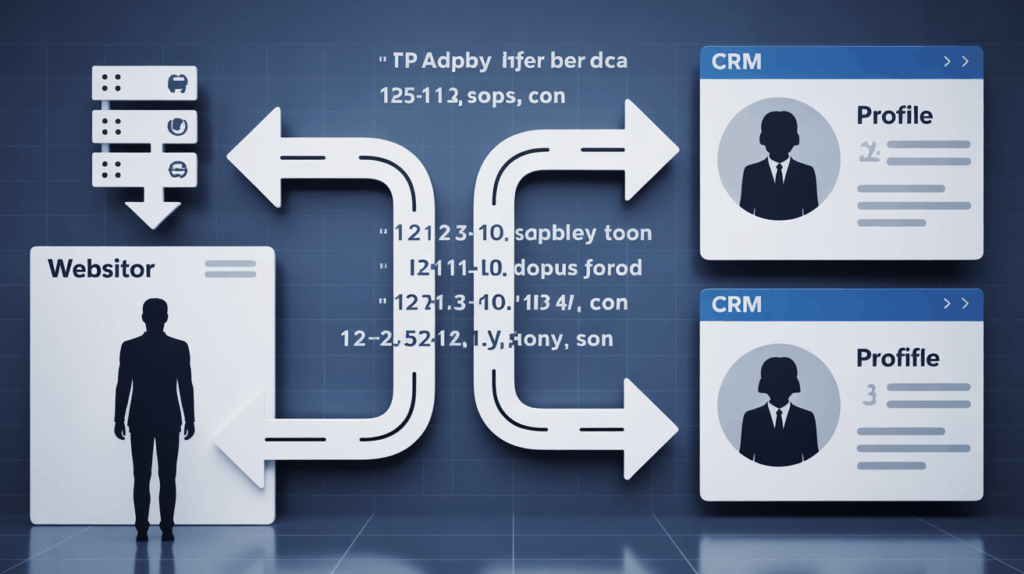
The technology behind visitor identification seems like magic, but it is purely data science.
How can a tool know who visited your pricing page?
It’s not magic; it’s sophisticated data aggregation and resolution.
Understanding this process is crucial for assessing tool accuracy, data latency, and compliance.
You need to know where the data comes from.
IP-to-Company Resolution
This is the foundational layer of B2B visitor identification.
Every visitor connecting from a corporate network uses a unique IP address.
These IP addresses are often static and registered to an organization, not an individual.
The visitor identification tool performs a lookup against massive, proprietary databases.
These databases map specific IP ranges to company names, locations, and firmographic data.
For corporate traffic, top providers achieve an identification accuracy rate typically ranging from 60% to 80%.
What are the key limitations here?
- It only identifies the company, not the specific person browsing.
- It struggles with visitors using mobile data, residential ISPs, or VPNs.
This company-level insight is still highly valuable for account-based marketing (ABM).
Cookie Networks and Data Brokerage
However, IP resolution only gets you the company name. To identify the specific decision-maker, we must move to individual tracking methods.
Identifying the actual person is the holy grail of visitor identification.
This is where things get complex and rely heavily on data brokerage and large network effects.
Visitor ID tools typically rely on matching anonymous identifiers, like cookie IDs or hashed emails, to vast third-party databases.
These databases are built by data brokers who purchase contact information from multiple sources.
How do they achieve this cross-site matching?
- Data Purchase: Brokers acquire massive datasets from various websites (e.g., those requiring email sign-ups or form fills).
- Matching: When a user fills out a form on Site A, the broker links that user’s IP/cookie ID to their name and email.
- Resolution: When that same user visits your site (Site B) anonymously, the visitor ID tool recognizes the IP/cookie ID and resolves it against the broker’s database, pulling the associated contact details.
This reliance on high data density explains why many tools are most effective for US traffic.
If you are looking for accurate data, you need tools that prioritize data enrichment tools.
The Privacy and Compliance Reality
Compliance is not optional in 2025.
GDPR and CCPA regulations heavily restrict how visitor identification tools can operate, especially in Europe.
Many top-tier platforms explicitly state that their person-level identification focuses primarily on US traffic to maintain compliance.
What should you confirm before deployment?
- Data Source Transparency: Does the vendor clearly state where their data originates?
- Consent Mechanisms: Are they compliant with the latest cookie consent requirements in your target regions, utilizing explicit opt-in where necessary?
- Data Minimization: Does the tool limit the data collected to only what is necessary for B2B outreach, often employing data hashing or pseudonymization techniques?
Always prioritize privacy-compliant solutions.
Critical Features of Best Anonymous Visitor Identification Tools
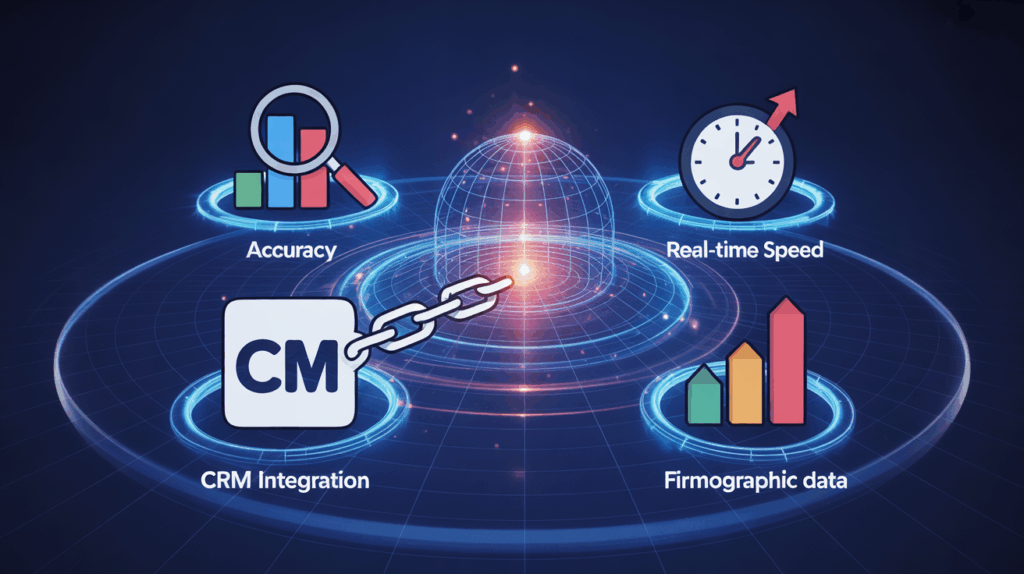
Not all identification tools are created equal.
The best platforms move beyond simple identification.
They provide the context and automation necessary to turn cold visits into hot leads instantly.
Person-Level vs. Company-Level Identification
This is the biggest differentiator.
Company-level identification gives you the organization name.
Person-level identification gives you the name, job title, and often the email address of the specific person browsing.
For SaaS sales, person-level data is transformative.
It allows sales development reps (SDRs) to skip the gatekeepers and reach decision-makers directly.
Tools like RB2B are specifically designed to prioritize this granular, person-level data, even if the volume is lower than company-only identifiers.
Intent Data and Lead Scoring
Knowing who visited is only half the battle.
You need to know what they are interested in and how likely they are to convert.
This is where AI-powered intent data and lead scoring shine.
A high-quality tool should track specific high-intent actions:
- Visiting the pricing page multiple times.
- Downloading a specific case study (e.g., one tailored to their industry).
- Viewing the careers page (often a signal of growth).
- Spending significant time on demo request pages.
Albacross, for instance, uses AI to score these behaviors instantly.
This scoring allows your sales team to focus on the 5% of leads that are truly ready to buy.
CRM and AI Integration
Identified leads are useless if they sit in a silo.
The best anonymous website visitor identification tools integrate seamlessly into your existing workflow.
Look for native or Zapier integrations with major CRMs like Salesforce, HubSpot, or Zoho.
Why is integration critical?
- Real-Time Alerts: Sales reps get instant notifications (often via Slack) the moment a high-value prospect hits a hot page.
- Automated Enrichment: Visitor data is automatically synced and enriched with firmographics and contact details.
- Outreach Automation: The data triggers automated sequences in your sales engagement platform.
Platforms like Pyrsonalize.com thrive when fed high-intent, identified leads.
By integrating visitor ID data, Pyrsonalize can instantly launch hyper-personalized email and LinkedIn outreach sequences, dramatically accelerating your sales cycle.
Now that we understand the critical features, which platforms deliver on these promises?
Top Anonymous Website Visitor Identification Tools Reviewed

We analyzed the leading tools in the market today (2025).
We focused on accuracy, actionable data, B2B relevance, and integration capabilities.
Here are the platforms that stand out for small businesses and growing SaaS teams.
RB2B: The Person-Level Pioneer
RB2B differentiates itself by focusing on true person-level identification.
While most competitors stop at the company name, RB2B aims to give you the individual’s name and contact information.
This is invaluable for highly targeted cold outreach.
Key Features:
- Granular ID: Identifies specific visitors by name, role, and verified email.
- Real-Time Alerts: Delivers instant buyer signals directly to Slack, including LinkedIn profiles.
- Hot Lead Tagging: Uses ICP filters and behavioral scoring to flag leads ready for immediate engagement.
- Privacy Focus: Prioritizes GDPR/CCPA alignment, often focusing person-level data on US traffic.
Pricing Insight: RB2B offers a powerful free plan (150 monthly credits), making it an accessible option for startups looking for cheapest lead generation software to test the waters.
ZoomInfo: The Data Breadth Leader
ZoomInfo is a titan in B2B data intelligence.
Their website visitor tracking complements their massive database of over 250 million verified contacts.
If data volume and verification are your top priority, ZoomInfo is a strong contender.
Key Features:
- Massive Database: Unmatched breadth of verified contact and company profiles.
- Intent Data: Provides signals indicating active research or buying behavior.
- ListMatch: Syncs your existing lists to enrich them with updated contact data.
- Sales Automation: Includes advanced features for managing outreach and tracking activities.
Pricing Insight: ZoomInfo is a significant investment, often starting around $15,000 annually. It is best suited for mid-market and enterprise teams with established sales budgets.
Lead Forensics: Real-Time Actionability
Lead Forensics is known for its effectiveness in turning anonymous visits into immediate, actionable leads.
Their strength lies in comprehensive company insights and rapid data enrichment.
Sales teams appreciate the speed and detail provided by their alerts.
Key Features:
- Real-Time Identification: Captures and alerts you to visitors while they are still on your site.
- Data Enrichment: Automatically adds crucial contact information (emails, phone numbers) to identified companies.
- Customizable Dashboards: Allows sales leaders to monitor and prioritize high-value traffic instantly.
- Seamless CRM Integration: Ensures data flows smoothly into sales pipelines.
Pricing Insight: Lead Forensics uses a tailored, undisclosed pricing model, requiring direct contact with their sales team based on company size and needs.
Albacross: AI-Powered Scoring
Albacross excels by blending identification with intelligent lead scoring.
They don’t just tell you who visited; they tell you who matters most right now.
This focus on AI-driven prioritization saves immense time for busy sales teams.
Key Features:
- AI Lead Scoring: Ranks visitors based on fit and engagement likelihood.
- Actionable Intent Data: Provides deep insights into visitor behavior to tailor messaging.
- Automated Enrichment: Ensures identified company data is complete before syncing to your CRM.
- Self-Service Option: Offers a straightforward plan for smaller teams.
Pricing Insight: Albacross offers an entry-level self-service plan starting around $86/month, making it highly accessible for SMBs seeking powerful AI features without the enterprise price tag.
Apollo.io: The All-in-One Sales Engine
Apollo.io is much more than a visitor identification tool.
It’s a robust sales intelligence and engagement platform.
If you need a single tool to handle prospecting, visitor identification, outreach, and sequence management, Apollo is worth considering.
Key Features:
- 275M+ Contact Database: Extensive data for enriched lead profiles.
- Multi-Channel Outreach: Manage email, phone, and LinkedIn outreach from one platform.
- Lead Scoring: Prioritizes prospects based on fit and intent signals.
- Conversation Analytics: Provides insights to refine sales approach across channels.
Pricing Insight: Apollo offers a free plan and scales up through tiered user-based pricing (Basic $49/user/month, Professional $79/user/month).
Hunter.io and Instantly: Actionable Email Focus
Sometimes, simplicity and direct action are key.
Hunter.io and Instantly are fantastic complementary tools for activating identified leads.
While they may not offer the comprehensive tracking pixel of the others, they specialize in verification and outreach.
Hunter.io for Verification:
- Excellent Email Finder tool for resolving company IPs into verified contact emails.
- High accuracy ensures low bounce rates.
- Clean, intuitive interface.
Instantly for Outreach:
- Specializes in scalable, high-deliverability email campaigns.
- Inbox rotation and smart scheduling maximize successful outreach timing.
- Ideal for automating follow-up sequences once a lead is identified by a primary tracking tool.
Choosing the Right Tool for Your SaaS or SMB
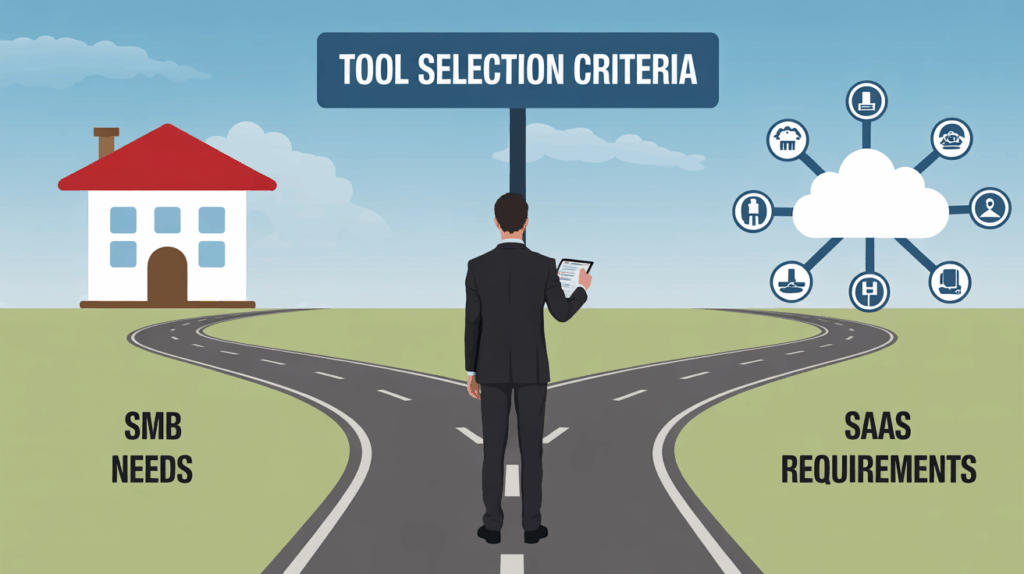
Selecting the right platform depends entirely on your current sales maturity and budget.
Are you focused on high-volume outbound, or deeply targeted ABM?
Do you need company names, or verified personal emails?
Step 1: Define Your Identification Goal
You must determine if company-level or person-level identification is necessary.
For high-value B2B SaaS sales, person-level identification (RB2B, ZoomInfo) is usually justified.
For smaller service businesses or those focused purely on large accounts, company-level data paired with strong internal prospecting might suffice (Lead Forensics).
Step 2: Evaluate Integration and Workflow
The tool must integrate seamlessly with your CRM and your outreach platform, like Pyrsonalize.com.
If the data cannot instantly trigger a sales action, it loses its value quickly.
Ask these questions:
- Does it offer real-time push notifications (e.g., Slack)?
- Can it automatically update lead scores in my CRM?
- How complex is the setup? (Tools with 5-minute pixel installs are always preferable.)
Step 3: Compare Pricing Models and Accuracy
Pricing varies wildly-from affordable monthly subscriptions to five-figure annual contracts.
Always utilize free trials or low-cost entry plans to test accuracy against your own known visitors.
Accuracy is not guaranteed; it varies based on region and data density.
Here is a simplified comparison of pricing and primary focus:
| Tool | Primary Focus | Data Granularity | Typical Pricing Model |
|---|---|---|---|
| RB2B | Person-Level ID & Real-Time Alerts | Person (US-focused) | Free Tier / Tiered Subscription |
| ZoomInfo | Data Breadth & Intent | Company & Person | High Annual Contract (Enterprise Focus) |
| Lead Forensics | Real-Time Company Insights | Company | Custom/Undisclosed |
| Albacross | AI Lead Scoring & Intent | Company | Self-Service / Custom Growth |
| Apollo.io | All-in-One Sales Solution | Company & Person | Free Tier / Per-User Monthly |
Step 4: Execute Instant Outreach
Once you identify a visitor, speed is paramount.
The visitor is “hot” for a very short window.
Successful lead generation involves using AI to craft and deliver contextual messages immediately.
By leveraging the intent data provided by these tools, platforms like Pyrsonalize.com can:
- Generate an email referencing the specific page the visitor viewed (e.g., “I noticed you were checking out our API documentation…”).
- Automatically verify the contact details provided by the identification tool.
- Launch a multi-step sequence across email and LinkedIn within minutes of the visitor leaving the site.
This level of efficiency is what separates high-growth SaaS companies from those stuck waiting for form submissions.
The investment in the best anonymous website visitor identification tools is justified when you have the AI infrastructure to act on the data instantly.