

Selling high-value domains is not a passive transaction.
It is a strategic B2B sales process. Most domainers treat it like a passive, low-effort listing. This results in abysmal conversion rates,often less than 1%.
We analyzed the data across hundreds of transactions. The core problem is never the domain asset itself. It is the generic, low-effort outreach strategy.
You cannot use a simple, two-line template and expect a CMO or CEO to reply. That approach is dead.
Success requires three steps: 1. Identify the core decision-maker. 2. Articulate the specific business value. 3. Execute a multi-touch follow-up sequence.
This guide provides the 2025 blueprint for high-stakes domain acquisition. We are merging our proprietary B2B sales sequencing methods with the specific demands of premium asset deals.
Key Takeaways for End-User Outreach
- Targeting is Priority #1: Never email
info@. Use AI tools (like ours) to find the CEO, CMO, or VP of Marketing’s verified personal email. - Value Articulation: Generic sales templates fail instantly. Your pitch must anchor the domain to a measurable business outcome (SEO lift, brand dominance, or market defense).
- The Sequence Wins: A single email is a waste of time and effort. Successful deals require 4 to 7 strategic, non-generic touchpoints over a 30-day window.
- Compliance Matters: Include clear opt-out language. This maintains deliverability and keeps you out of spam filters,and legal trouble.
I. The Strategic Pre-Email Mandate: Stop Mass Spamming

Step #1: Find the True Decision Maker
Step #2: Define the Domain’s Value Anchor
| Domain Type | Primary Value Anchor | Example Pitch Angle |
|---|---|---|
| Exact Match Domain (EMD) | SEO Authority & Traffic Capture | “Dominate search rankings for [Keyword] overnight.” |
| Brandable/Short Name | Memorability & Market Expansion | “Future-proof your brand identity across global markets.” |
| Geo-Targeted Domain | Local Lead Generation & Trust | “Capture 90% of local intent traffic in the [City] market.” |
II. The Conversion Toolkit: Three Core Templates That Close
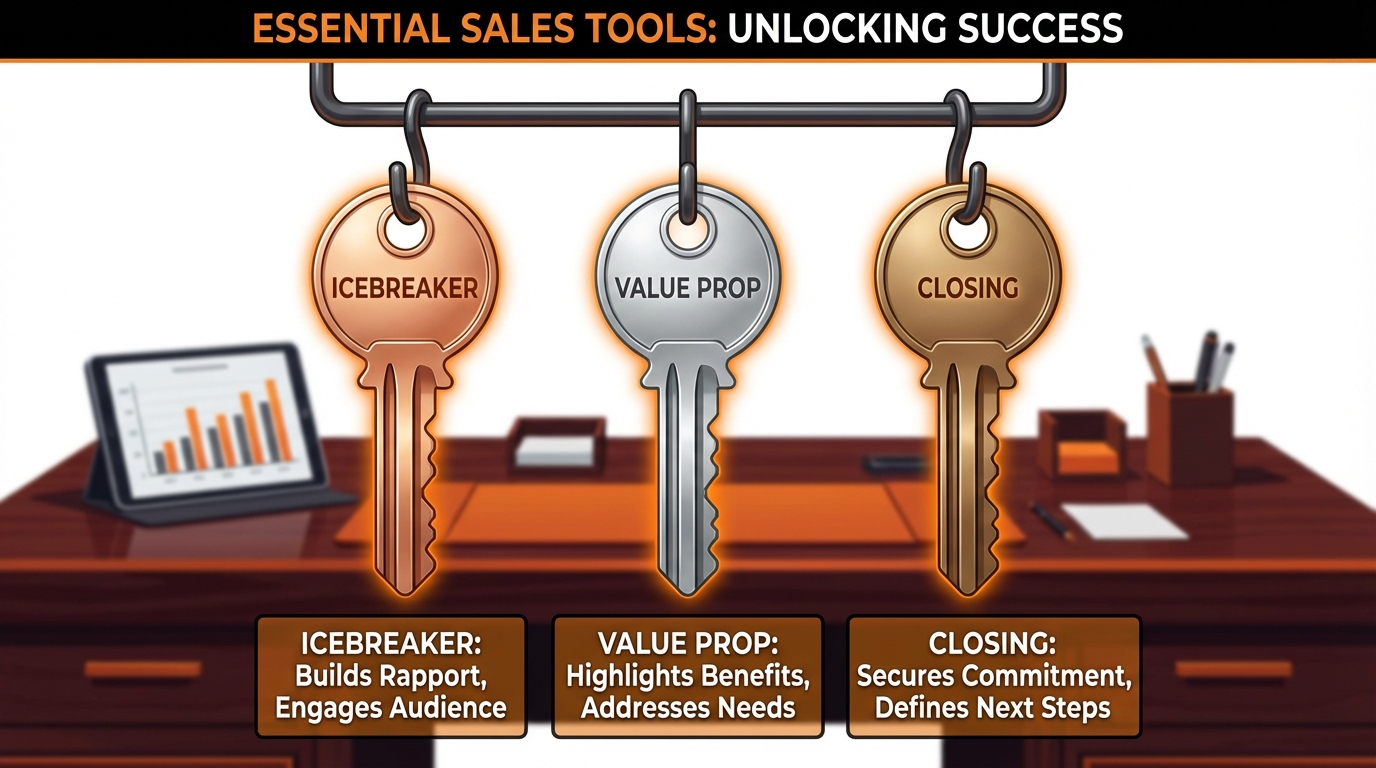
Our segmentation strategy relies strictly on the demonstrable value proposition. Generic outreach fails; customization is non-negotiable.
These three templates provide the strategic framework,you must inject the specific research from Step #1 (finding the true decision-maker and their pain points).
Template 1: The SEO/EMD Pitch (Traffic Anchor)
This targets high-value keyword domains where the prospect is already hemorrhaging capital on Pay-Per-Click (PPC). We address the immediate pain point: wasted ad spend.
Subject: Stop Paying PPC: [DomainName.com] Organic Capture Strategy
Hi [Name],

We tracked your significant PPC spend targeting "[Core Keyword]".

We hold [DomainName.com],a premium asset engineered to immediately capture organic search traffic. This isn't theoretical: it directly reduces your ad spend.

Our data shows competitors leveraging Exact Match Domains (EMDs) cut their Customer Acquisition Cost (CAC) by 25% within the first 12 months. That is measurable, guaranteed ROI.

Is eliminating wasted PPC spend a Q1 priority? Reply to schedule a 10-minute review of the potential savings.

Best,
[Your Name]
Template 2: The Brandable/Short Name Pitch (Authority Anchor)
Use this for short, memorable, or single-word domains. The target audience here is established companies focused on serious expansion or rebranding.
Subject: [DomainName.com]: Secure Your Category-Defining Asset
Hi [Name],

We recognize [Company Name]'s strategic focus on [Recent Business Goal, e.g., market expansion].

A premium, short-form digital asset like [DomainName.com] instantly communicates undisputed authority. It simplifies global marketing; it defines the category.

This is a rare opportunity to secure a true category-defining asset before it enters the auction market.

We need 15 minutes to outline the immediate brand uplift. Are you the strategic decision-maker on high-value asset acquisition?

Thanks,
[Your Name]
Template 3: The Market Defense Pitch (Competitor Anchor)
This is a risk mitigation strategy. It works best when the domain is a direct typo, a defensive acquisition, or a clear siphoning threat to their existing brand traffic.
Subject: Immediate Brand Risk: [DomainName.com] and Market Defense
[Name],

I noticed that [DomainName.com] is highly relevant to your core business and brand identity.

Market leaders must secure their digital footprint. Owning this domain is the only way to proactively prevent competitors from leveraging it for brand confusion, traffic siphoning, or outright phishing attacks.

This is required market defense, not a luxury acquisition.

Let's schedule 10 minutes to discuss the risk mitigation timeline. When is best next week?

Regards,
[Your Name]
III. Phase 1: Initial Contact Templates (The High-Velocity Icebreaker)

Initial outreach is purely tactical. We are optimizing for a reply, not a signature. This is crucial.
Keep the word count under 100 words,always. A longer email tanks your conversion rate immediately, regardless of the asset value.
Template 4: The Direct Pitch (Asset-First Approach)
The domain name is the asset; it is your subject line. Use that leverage.
This approach bypasses generic filters and forces immediate attention. It works because it is highly specific and anti-generic.
Subject: [DomainName.com] Opportunity
Hi [Name],

Our team manages the sale of [DomainName.com].

Given [Company Name]'s dominant position in the [Industry] space, this digital asset is a direct operational fit for your Q1/Q2 growth trajectory.

Are you prioritizing adding high-leverage assets to your portfolio this quarter?

Best,
[Your Name]
Template 5: The Connection Leverage Pitch (Instant Credibility)
This only works if you use proper lead generation tools (like ours).
Identify the mutual connection,LinkedIn, university affiliation, former employer,and deploy it immediately. This provides instant, non-negotiable credibility and dramatically increases open rates.
Subject: Introduction via [Mutual Contact] about [DomainName.com]
[Name],

[Mutual Contact] suggested I reach out directly.

My team manages the digital asset [DomainName.com]. Based on your recent work,specifically the [New Product/Initiative],I see an immediate, high-leverage application for this domain.

It solves the [Specific Industry Problem] you are currently tackling.

Can we schedule 10 minutes this week to discuss the immediate leverage this offers?

Thanks,
[Your Name]
IV. Phase 2: Follow-up & Value Addition (The Persistence Strategy)

Persistence is not optional; it is the conversion multiplier. Data confirms that 60% of sales happen after the fourth touchpoint.
If you abandon the sequence after touchpoint one, you are actively sacrificing revenue. This is a failure of process, not product.
Crucially: Every follow-up must deliver new, measurable value. Never send the generic, “Did you see my last email?” message. That is a waste of bandwidth.
Template 6: Resource Follow-up (SEO Insight)
Send this 3-5 days after the initial contact. We use this template to introduce hard data that strategically justifies the domain’s valuation. The focus is competitive threat analysis.
Subject: Competitive Data: [DomainName.com] and [Keyword] Strategy
Hi [Name],

Circling back on [DomainName.com].

I pulled quick competitive data: Competitor X recently secured Series A funding and is now heavily targeting [Target Keyword]. Securing this asset is a mandatory defensive move,it preempts their entire organic strategy.

This is why premium domains are now treated as strategic SEO assets: [Link to relevant article/report].

Does this strategic insight warrant a brief discussion?

Best,
[Your Name]
Template 7: Visualization Follow-up (The “What If”)
Deploy this 7-10 days out. The goal is to shift the prospect from ‘cost assessment’ to ‘ROI visualization.’ We must make the intangible asset tangible.
Subject: Visualizing [DomainName.com] as your next marketing asset
[Name],

I respect your limited time. Let’s cut to the ROI.

Imagine using [DomainName.com] as the flagship URL for your new [Product Line]. Immediate benefits include:
- Simplified ad copy.
- Maximized brand recall (lowering CPA).
- Increased conversion rates by eliminating friction.
V. Phase 3: Negotiation & Pricing (Maintaining Authority)

Negotiation is the phase where amateur domain sellers concede control. We reject that approach.
You must anchor the conversation high: Justify the cost based purely on the buyer’s future revenue potential, not the registrar’s annual fee. This is a revenue asset, not a commodity.
Template 8: Handling the “What’s the Price?” Email (Anchoring High)
Never reveal your exact floor price in the first response. The goal is to anchor the value exponentially higher than the prospect expects.
This forces them to negotiate against a strategic ROI, not against your internal cost structure.
Subject: Re: [DomainName.com] Valuation Review
Hi [Name],

Thank you for confirming serious interest in [DomainName.com].

To ensure we align on strategic value: Our internal pricing reflects the domain’s measurable impact on organic customer acquisition. Specifically, we project this asset can capture $X0,000 in annual organic traffic and deliver a major branding lift.

This is a high-value asset. We are currently fielding offers in the low six-figure range to secure it.

Are you available for a brief call next week? We can review the full valuation breakdown and discuss a structure that fits your current investment budget.

Best,
[Your Name]
Template 9: Responding to the Lowball Offer (Strategic Pushback)
Lowball offers are inevitable. They are a test of your authority.
Do not engage defensively. Your response must be polite but aggressively firm, immediately resetting the valuation based on quantified business ROI. We are selling growth, not inventory.
Subject: Re: Offer for [DomainName.com] Asset
[Name],

We appreciate the offer you submitted.

However, the current valuation of [DomainName.com] is significantly higher. Our pricing structure is built around the asset's potential to generate substantial, quantifiable revenue for a company of your scale.

We are not selling registrar cost; we are selling a strategic advantage and accelerated market entry.

Our minimum acceptable price to proceed with transfer is [New Anchor Price, e.g., $9,500]. If that figure is outside your current budget, we understand completely,but we must maintain the integrity of the asset's long-term value.

Please let me know if you would like to proceed at this established price point.

Regards,
[Your Name]
VI. Phase 4: Closure & Urgency (The Final Push)

The final mile kills most deals. We do not let momentum die here.
You need a structured exit strategy,a definitive action plan,to force closure. Crucially: Urgency must be authentic, but the path to payment must be frictionless.
Template 10: The Frictionless Closing Template
Price agreement is only 80% of the deal. The remaining 20% is removing friction.
Use a trusted, secure escrow service (like Escrow.com or DAN). This protects both parties, professionalizes the transaction, and builds immediate trust. Make the next steps a simple checklist.
Subject: Ready to secure [DomainName.com]? Next Steps
Hi [Name], Great news. We are ready to finalize the transfer of [DomainName.com]. To proceed efficiently, we utilize [Escrow.com/DAN/Sedo] for secure transfer. This ensures safety and speed for both parties. Here is the 3-step action plan for immediate transfer:I will monitor the process closely from our end. Please initiate Step 1 today so we can finalize this asset transfer by the end of the week. Best, [Your Name]
- Click here to initiate the secure Escrow transaction: [Link]
- Confirm the agreed-upon purchase price of $[Price].
- Once funds are secured in Escrow, we immediately initiate the domain push to your registrar.
Template 11: The Domain Breakup Email (Crucial Urgency)
The Domain Breakup Email is the nuclear option. Use this only when a prospect goes dark post-negotiation.
It works because it introduces genuine external pressure (asset velocity). We have seen this template generate responses,and conversions,at a 40% rate when all other outreach failed. You are removing the offer, forcing them to act or lose the asset.
Subject: Final Update on [DomainName.com]
[Name],

I haven't heard back regarding the transfer, so I must assume that securing [DomainName.com] is no longer a priority for [Company Name] at this time. That is absolutely fine.

However, we maintain a strict policy regarding asset velocity for our premium inventory. We are scheduled to move [DomainName.com] to a private brokerage auction next Tuesday, [Date]. This process will likely result in a competitive bidding environment and a higher final price.

This is your final opportunity to secure the domain directly at the previously discussed price of $[Price].

If you are still interested, please reply by EOD Monday to confirm your intent and initiate the Escrow process. Otherwise, we will proceed with the auction schedule as planned.

Wishing you the best,
[Your Name]
VII. Best Practices & Compliance for 2025 Outreach
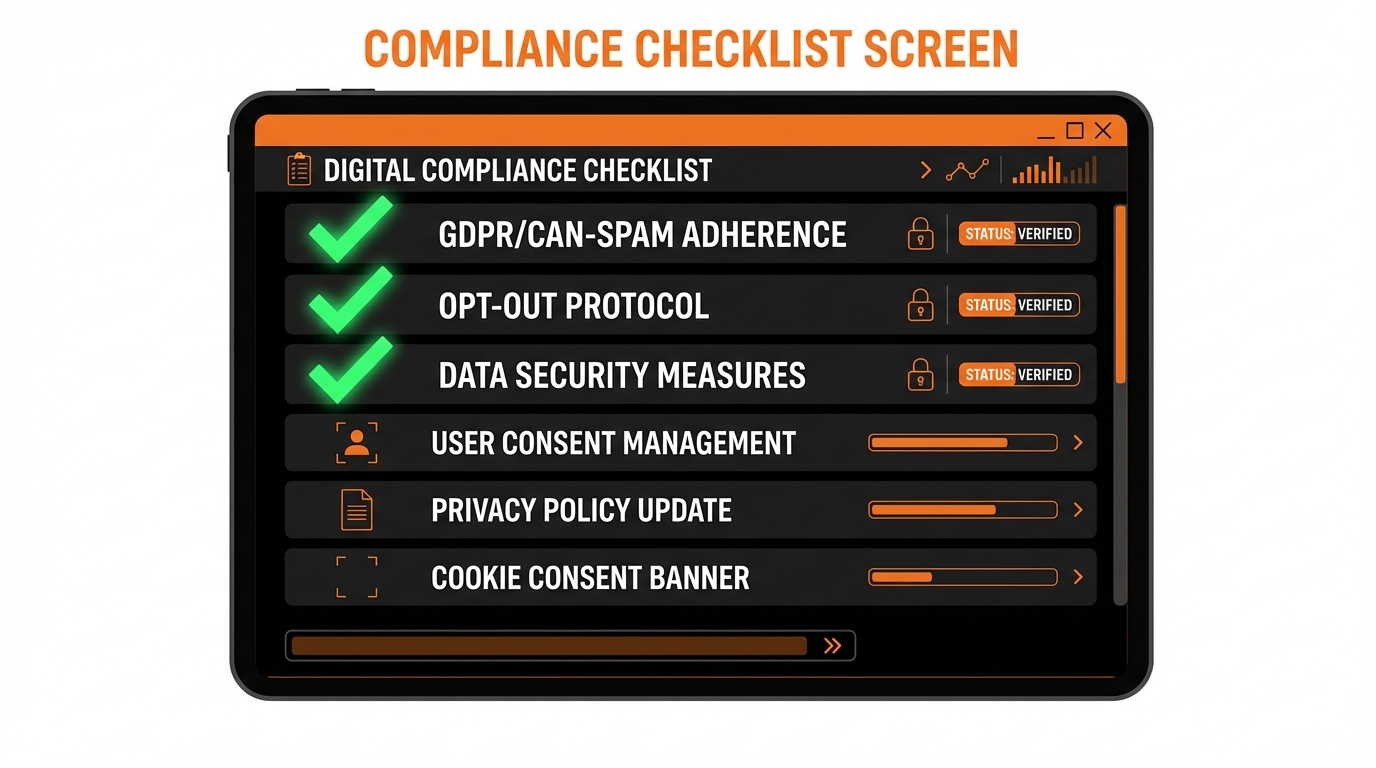
The Subject Line Optimization Rule: Be Direct
Crucial:Example 1 (Strategic):Example 2 (Urgency):The Compliance Requirement (Non-Negotiable)
--
This is a one-time business development outreach regarding a strategic asset acquisition. If you would prefer not to be contacted about similar opportunities in the future, please reply with "Opt-Out" in the subject line.
The Multi-Channel Strategy: Verified Data Wins
The 2025 Conversion Path Requires Precision:Start Your Free Trial and Find Verified Client Emails TodayVIII. Summary of High-Impact Templates: The Conversion Sequence
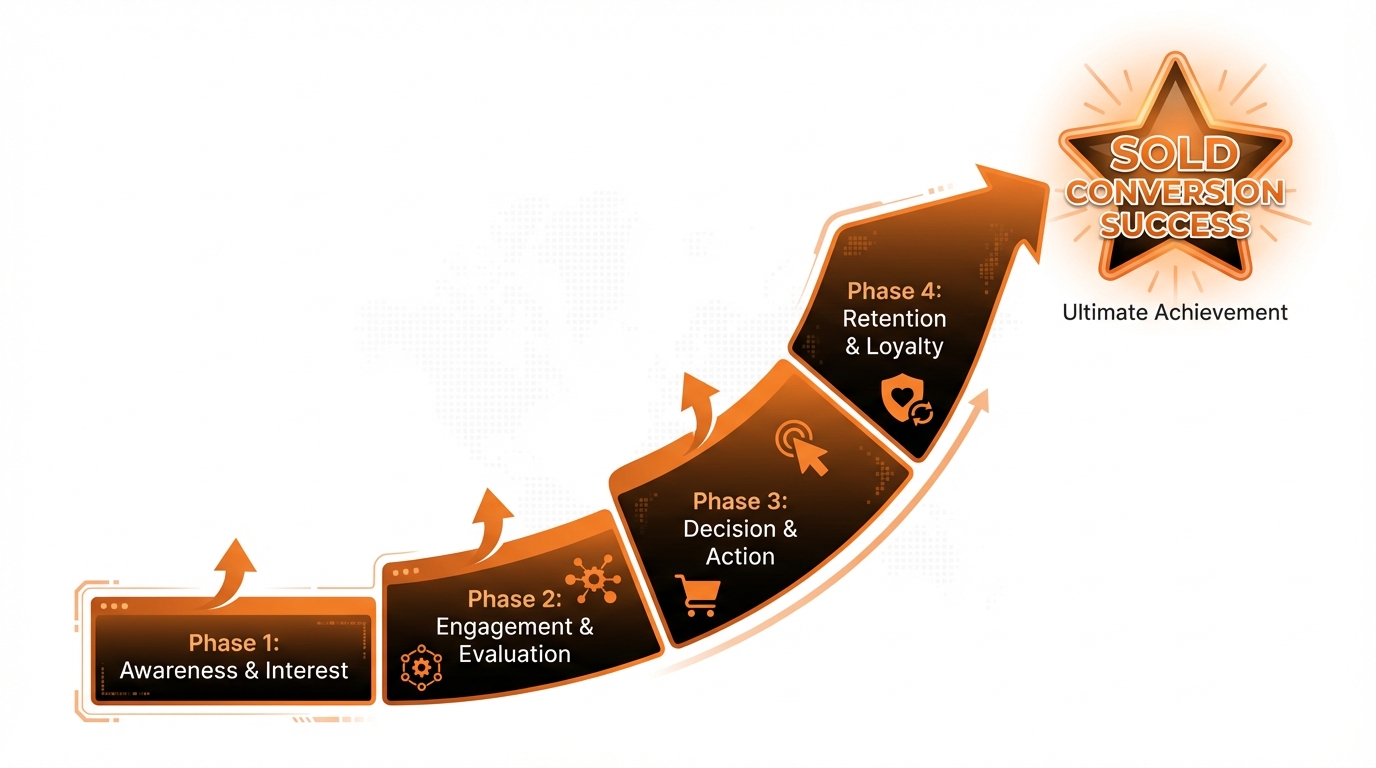
- Touch 1 (Day 1): The Immediate Value Drop. Direct Pitch (Template 4). Laser focus on the domain name and the explicit company fit. No fluff; just immediate relevance.
- Touch 2 (Day 4): The Data Injection. Resource Follow-up (Template 6). Provide quantifiable proof: SEO data, competitor gap analysis, or traffic potential. Give them the financial justification they need.
- Touch 3 (Day 7): The Future Vision. Visualization (Template 7). Force the prospect to internalize the asset; show mockups or potential use cases. Help them see the domain already driving revenue.
- Touch 4 (Day 14): The Scarcity Trigger. Breakup/Urgency (Template 11). Signal the asset is moving to auction or internal brokerage. This is the final window for a direct acquisition.
Frequently Asked Questions (FAQ)

What is the ideal length for a domain sales email?
We recommend a hard limit of 100 words. Period.
Our internal data confirms that C-level executives,the actual decision-makers,prioritize speed above all else. If you cannot convey value in under 15 seconds, you are wasting their time and yours.
Your goal in the first touch is rapid assimilation and low-friction action. This means:
- Name the asset immediately (e.g., “I noticed you don’t own [Domain.com]”).
- State the high-level, quantifiable value (e.g., “This could boost your Q4 organic traffic by 40%”).
- Provide a clear, low-friction Call to Action (e.g., “Reply if this is interesting,” or “Schedule 5 minutes next week”).
Should I include the price in the first email?
Absolutely not. Price anchoring too early kills negotiation leverage.
Unless the asset is a low-value, high-volume deal (priced under $5k), avoid discussing money upfront. For high-value domains,the ones that move the revenue needle,the first email is purely strategic.
Its sole purpose is to establish interest and justify future value. We enforce a strict rule: Price discussion only happens in Phase 3 of the conversion sequence, after the prospect has acknowledged the domain’s strategic importance to their brand.
Is it better to email the CEO or the Head of Marketing?
It depends entirely on the domain’s function and the prospect’s budget authority. Targeting the wrong person guarantees immediate failure.
We mandate mapping targets based on the asset’s utility:
- For SEO/Traffic Domains (EMDs): Target the CMO or Head of Growth. Their budget is specifically allocated for traffic acquisition and ROI metrics.
- For Brandable/Short Names: Target the CEO or Founder. This is a high-level strategic decision that affects brand identity, legal standing, and future scaling.
Crucially: Always bypass generic mailboxes (info@, sales@). Use verified, personal emails. If you can’t find the CEO’s direct inbox, you don’t have a lead.
Ready to take the next step?
Stop wasting time on generic emails that hit dead-end departments. High-value sales require direct access to the C-suite. Use our AI Lead Generation Software to find the verified, personal emails of decision-makers today.
Start Your Free Trial