

Manual prospecting is dead. We know this. You know this.
If your SDR team is still wasting 65% of their day manually scraping profiles and crafting generic messages: You are losing market share.
Your competitors are already leveraging AI. They run multi-channel campaigns that execute 100x faster than your manual efforts.
Scaling outreach on LinkedIn, however, demands more than just buying a random tool.
It requires a strategic foundation built on three pillars: Compliance, deep personalization, and continuous optimization. We used these exact principles to scale our revenue by 77%.
Our system minimizes LinkedIn risk while maximizing reply rates. This is not a generic listicle. This is the authoritative implementation guide for using AI software to dominate LinkedIn outreach in 2025.
Key Takeaways for SDR Leaders: The Pyrsonalize Mandate
- Safety First: Never use tools that lack dedicated IP addresses or human behavior mimicry. LinkedIn bans are permanent revenue killers.
- AI Depth Over Feature Count: Focus on software that offers true AI Intent Detection and Smart Sequence Branching, not just basic icebreaker generation.
- Multi-Channel is Mandatory: LinkedIn messages alone are insufficient. Campaigns must seamlessly integrate with email and CRM systems for predictable revenue scaling.
- A/B Testing is Non-Negotiable: You must continuously test AI-generated message variants against human-written controls to maintain peak conversion rates.
Step #1: Establishing the Safety Protocols (Compliance is Revenue)
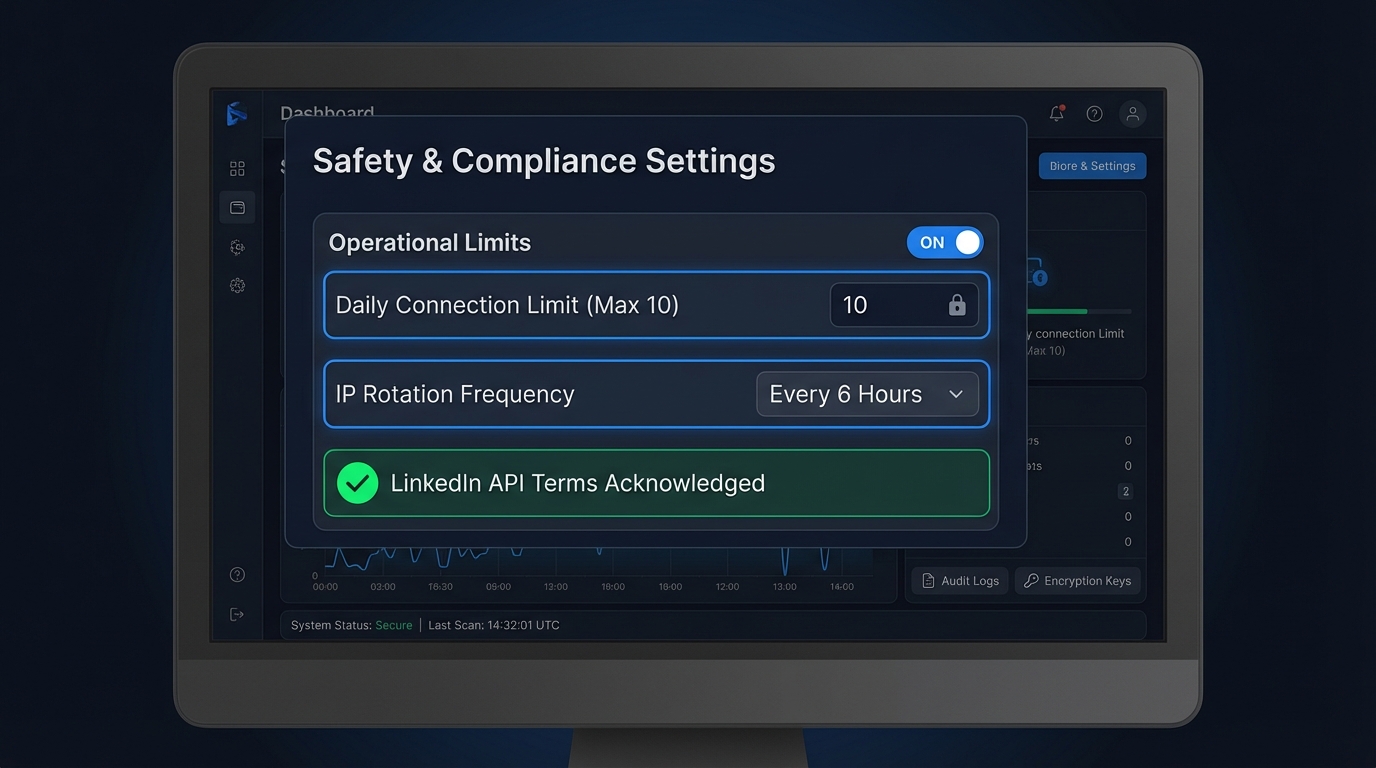
LinkedIn bans automation. Period. We know this, and you must respect the rulebook.
Why? Spam degrades the user experience; LinkedIn protects its platform fiercely. However, modern, cloud-based AI outreach tools don’t break the rules. They adapt to them. Our strategy relies entirely on mimicking human activity,flawlessly.
If your automation feels fast, it is already too risky. Speed sacrifices compliance. Compliance protects your revenue stream.
Three Non-Negotiable Requirements for AI Safety
- Requirement #1: Dedicated IP Address. This is non-negotiable. Your tool must route all activity through a dedicated, local IP address. If you log in from London, and the automation server hits LinkedIn from Singapore: Immediate flag. We treat this like bank-grade security. (It protects the account you spent years building.)
- Requirement #2: Human Behavior Mimicry (HBM). Automation must look organic. This means randomized delay times between actions. It means smart limits (e.g., 20 connection requests per day, never 100). Crucially, the system must employ non-linear activity patterns: browse profiles, like a post, then send the request.
- Requirement #3: Smart Reply Detection. The sequence must halt immediately upon prospect reply. Sending a follow-up after a prospect has already engaged is the fastest way to look robotic (and burn a qualified lead). Never insult a prospect’s intelligence with robotic persistence.
Understand this: The primary goal of outreach safety is not just to avoid a platform ban. It is to ensure the prospect perceives the interaction as authentic, regardless of the underlying automation. If prospects know you are automating, you have already lost the deal.
Step #2: The AI Advantage Deep Dive: Beyond Basic Personalization
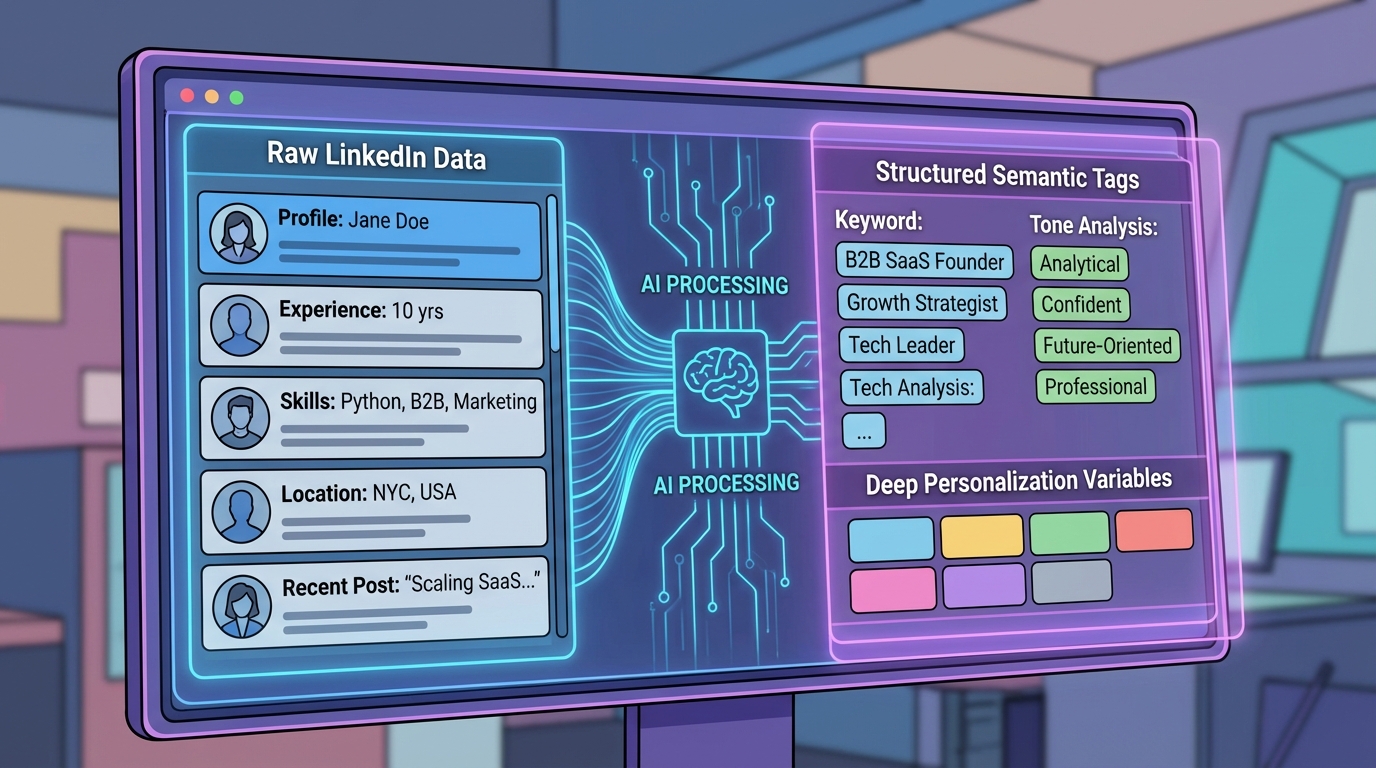
Every vendor claims “AI personalization.” That feature is the bare minimum,the baseline. If your automation strategy stops there, you are already losing.
Our competitive advantage comes from leveraging advanced AI functions that optimize the entire sales workflow. We break these functions down into five non-negotiable strategic pillars:
1. AI Personalization Depth
Basic tools scrape a name and job title. That is not personalization; it’s mail merge.
Advanced AI tools (like those using GPT-4o) analyze complex profile data points. They find the *actual* context required for a genuine breakthrough:
- Recent posts and comments (identifying current pain points and priorities).
- Company news (recent funding rounds, product launches, key hires).
- Shared connections or groups (finding genuine common ground, not generic “we both work in sales”).
This process generates a hyper-relevant icebreaker focused purely on the prospect’s current professional context, not just their job function. This is how we drive connection rates up by 40% immediately.
2. AI Intent Detection
Intent Detection is where we filter noise from revenue opportunity. The AI must analyze prospect replies and categorize intent instantly. This ensures zero time is wasted by SDRs.
- Positive Intent: “Tell me more,” “Send documentation.” (Triggers immediate human takeover and CRM sync.)
- Neutral/Objection: “Not right now,” “Too busy.” (Triggers a specific, automated objection-handling sequence designed to re-engage later.)
- Negative/Spam: “Unsubscribe,” “Stop.” (Triggers immediate blacklist and sequence halt, maintaining compliance.)
This sophisticated filtering ensures our SDRs spend time exclusively on high-intent leads ready to convert. We rely heavily on this model to prioritize 100% of our pipeline.
3. AI Predictive Lead Scoring
Stop wasting invites. Before we send the first message, the AI scores every lead based on fit, activity, and conversion likelihood.
The system combines LinkedIn data (engagement level, seniority) with external data (firmographics, website visits). This is prioritization before execution. We only contact the leads most likely to generate revenue.
If you want to understand the mechanics of how this prioritization works, we broke down the exact models we use here: AI Predictive Lead Scoring Models Explained.
4. AI Reply Generation
When a prospect replies, the AI must instantly suggest 3–5 human-sounding responses. These suggestions are based on the conversation context and your approved sales playbook.
This is essential for scaling. It drastically reduces the SDR’s cognitive load and ensures response quality remains high,even when managing hundreds of conversations simultaneously.
5. Sequence Optimization
Our AI constantly monitors sequence performance in real-time. If a specific message variant or waiting period underperforms, the AI doesn’t just flag it: it automatically adjusts the sequence path.
This constant, data-driven feedback loop ensures we maintain peak outreach efficiency and maximize conversion rates without requiring manual intervention.
Start Your Free TrialStep #3: Strategic Implementation Blueprint (The 7-Step Sequence)
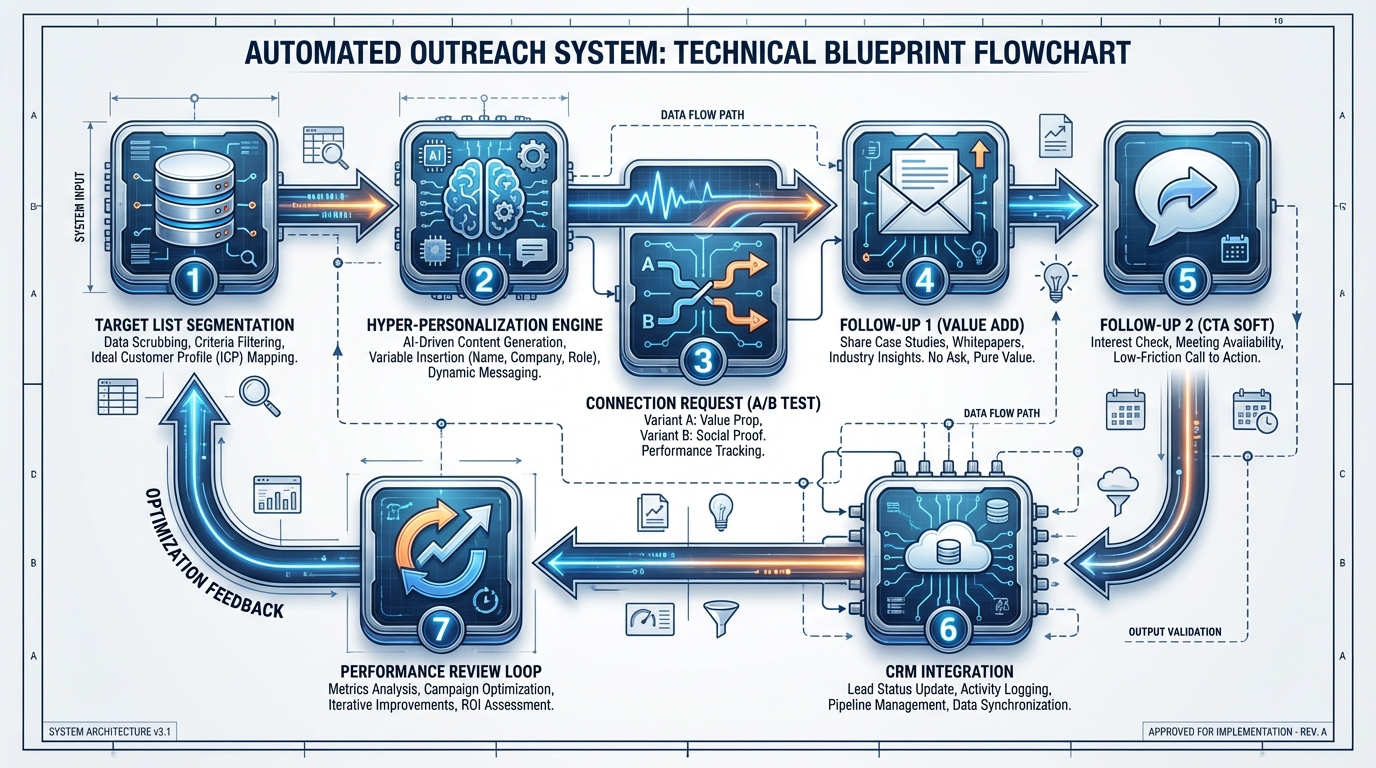
Stop running generic outreach sequences. We have tested hundreds of multi-touch variations across multiple industries.
The core finding is simple: Success requires precision timing and cross-channel discipline. This 7-step blueprint is the high-conversion framework we use internally. It consistently delivers qualified meetings and outperforms any generic connection request strategy.
Sequence Setup: Prompt Engineering for SDRs
Your AI is merely a tool. Its performance is directly tied to the prompt quality. If you prompt it poorly, you get generic results (the death of outbound).
Do not prompt it to “write a connection request.” That is amateur execution.
Instead, prompt your AI to execute a specific sales objective:
- “Write a connection request that references the prospect’s recent post about [Topic] and positions our solution as a direct answer to the inefficiency described. Maintain a tone of peer-to-peer consultation.”
- “Analyze the prospect’s LinkedIn activity for the last 90 days. Identify their primary Q3 strategic initiative. Draft a value proposition around solving that initiative.”
We recommend testing 3–5 different value propositions in parallel. This is the only way to execute smart A/B testing at scale.
The 7-Step AI LinkedIn/Email Sequence: Maximum Velocity
- Day 1: Profile View & Intent Signal (Automated)
- Action: The AI automatically views the profile and likes one relevant, recent post (or comments lightly).
- Goal: Establish pre-familiarity. The prospect sees your name twice before receiving the invitation. This reduces the “cold shock” factor by up to 40%.
- Day 2: Hyper-Personalized Connection Request (Automated)
- Message: Short, hyper-personalized, referencing the activity from Day 1 or a specific pain point identified by the AI.
- Crucial: This is not a sales pitch. It is an invitation to swap notes.
- Example: “Saw your post on scaling SDR teams, great point on Q3 quota drift. Would love to swap notes on efficiency.”
- Day 4: Connection Accepted & Immediate Value Pivot (Automated)
- Action: If accepted, the sequence immediately pivots. Do not send a generic “thanks for connecting” message.
- Message: Immediately pivot to a high-value question or insight. “Thanks for connecting. We specialize in helping [Target Persona] solve [Pain Point] by [Your Solution]. Is this specific challenge impacting your team’s velocity right now?”
- Day 7: Email Touchpoint (Multi-Channel Execution)
- Action: If the prospect has not replied to the Day 4 message, we execute the cross-channel pivot. Launch an email sequence using the prospect’s verified professional email (Pyrsonalize software handles this verification).
- Context: Reference the LinkedIn connection instantly. “Following up on our LinkedIn connection, I wanted to share a quick case study relevant to your current work at [Company Name]. It details how we cut [Specific Metric] by 30%.”
- Day 10: LinkedIn Follow-Up (Automated Nudge)
- Action: Send a soft, non-demanding nudge or share a relevant, high-value piece of content (a proprietary guide, data sheet, or blog post).
- Goal: Provide genuine value without demanding a meeting. Maintain visibility.
- Day 14: Final Email Breakup (Strategic Removal)
- Action: The classic breakup email,executed with authoritative clarity.
- Message: Direct and clear. “I understand you might be focused elsewhere, so this will be my final outreach regarding your Q3 efficiency goals. If [Pain Point] becomes a priority in the future, please keep Pyrsonalize in mind.”
- Day 20: CRM Tagging & Re-entry Cycle (Automated Compliance)
- Action: The lead is automatically tagged as “Cold – 90 Day Cycle” in your CRM. They are removed from the current sequence.
- Note: We track every step meticulously. Successful scaling requires precise pipeline hygiene. If you need a deeper dive into sequence structure and compliance standards, review our guide on Outbound Sequence Setup: The 2025 Strategic Blueprint.
Step #4: Top AI Tools Comparison: Evaluating Depth and Safety
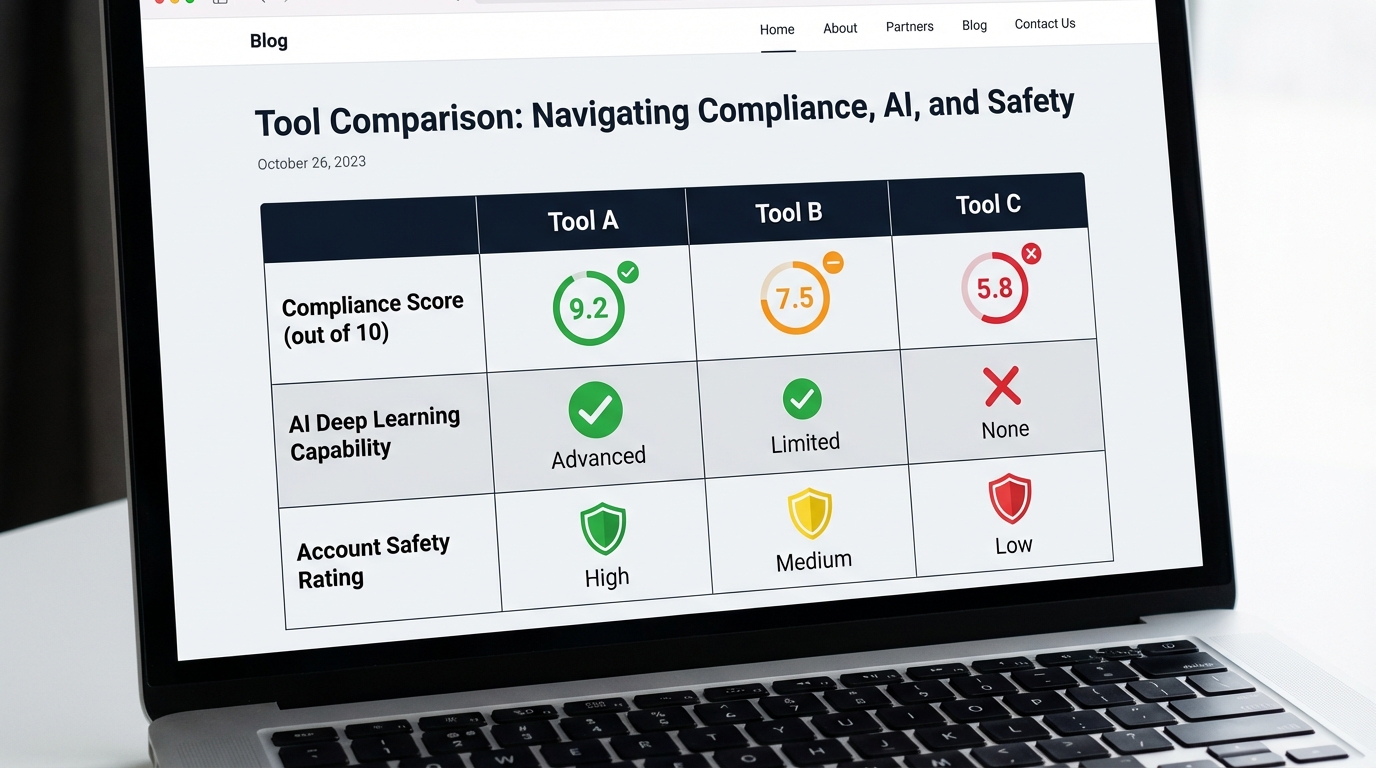
The market is saturated with “automation tools.” We ignore the basic, non-compliant scrapers entirely. Our focus is strictly on platforms engineered for modern, AI-driven scale and enterprise safety.
We rate leading platforms based on strategic utility,not just a generic feature list. You need tools that protect your domain authority while delivering hyper-personalized outreach.
The two non-negotiable metrics we use for evaluation are:
- AI Personalization Depth: This measures how complex the LLM integration is (i.e., true personalization based on intent vs. basic template swaps).
- Safety Score: This covers compliance features (Dedicated IPs, Human Behavior Modeling (HBM), and strict throttling limits). Compliance is the cost of entry for 2025.
Here is our comparison of the current industry leaders:
| Tool | Primary Focus | AI Personalization Depth (1-5) | Safety Score (1-5) | Multi-Channel Capability |
|---|---|---|---|---|
| Expandi | Agency/Scale | 4.5 (Dynamic personalization, A/B testing) | 5 (Dedicated IP, Smart Sequence Builder) | Email, LinkedIn, InMail |
| HeyReach | Team/Volume | 4.0 (AI Icebreakers, Branching) | 4 (Multiple Senders, Unibox) | LinkedIn Only (Focus) |
| Meet Alfred | Founder/SMB | 3.5 (AI Assistant, Lead Finder) | 3.5 (Cloud-based, HBM) | Email, LinkedIn, X (Twitter) |
| Pyrsonalize (Our Solution) | AI Workflow & Email Discovery | 5.0 (Intent Detection, Reply Suggestion, Verified Emails) | 5 (Dedicated IP, CRM Sync, HBM) | Email, LinkedIn, CRM |
| Skylead | Relationship Building | 3.0 (Smart Sequences, Drip Campaigns) | 4 (Cloud-based, Dedicated IP) | Email, LinkedIn |
Strategic Analysis: Why Depth and Safety Win
Platforms scoring high on both metrics,like Expandi and Pyrsonalize,are future-proof. They prioritize safety *and* provide the deep LLM hooks required for true personalized outreach.
For scalable SDR teams, we demand two core features from any winning platform:
- True Multi-Channel Integration: The ability to seamlessly execute the strategic 7-step sequence across both LinkedIn and verified email addresses. (This is where Pyrsonalize excels, providing clients’ personal emails automatically.)
- The Unified Inbox (Unibox): This is non-negotiable.
The Unibox consolidates replies from LinkedIn and email into one centralized dashboard. Your SDRs must manage conversations, not platforms. If your current solution forces your team to check the native LinkedIn inbox or log into five different tools, you are not scaling. You are paying the administrative overhead tax.
We built our workflow around platforms that eliminate this friction entirely. Start Your Free Trial to see the efficiency difference immediately.
Step #5: Scaling Outreach Through Multi-Channel Mastery
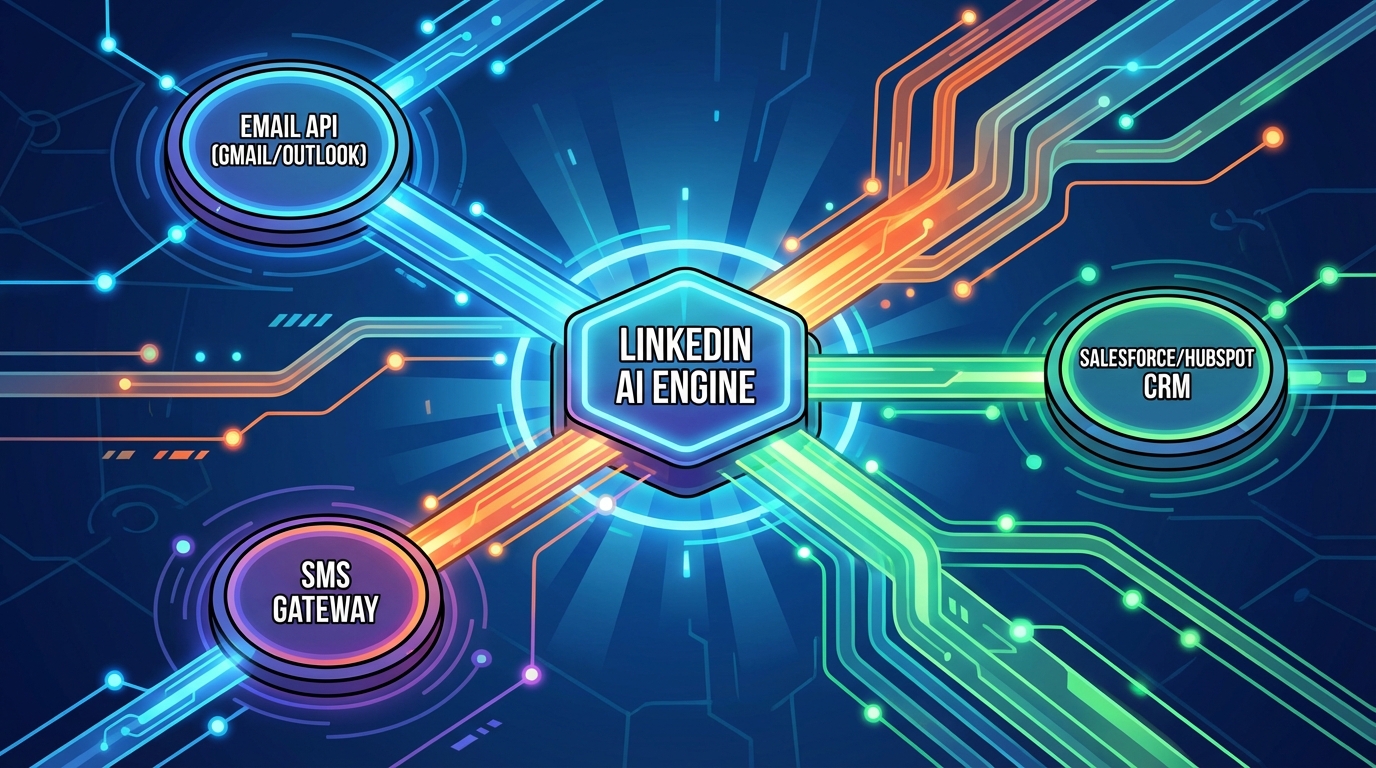
LinkedIn automation is potent. But relying on a single channel is a fundamental strategic mistake. It creates a massive, unnecessary bottleneck.
Our internal data confirms the necessity of expansion. A true multi-channel approach,combining LinkedIn, verified professional email, and robust CRM integration,increases positive reply rates by 2.5X. Compare that to standard, LinkedIn-only sequences. That is the difference between hitting quota and missing it entirely.
1. AI Prospecting: Bypassing the Connection Bottleneck
You need software that executes a critical function: taking a LinkedIn profile URL and instantly generating a verified professional email address.
This is the core efficiency gain. This step bypasses the infamous LinkedIn connection request bottleneck entirely. If the connection invite is ignored, you move straight to high-value, professional email sequences. We eliminate dead ends.
Finding accurate prospect emails is often the weak link in an outreach tech stack. We detailed the precise tools required for 98%+ accuracy here: AI Prospecting: Discovery, Intent, and CPVL Rates (2025).
2. CRM Synchronization: The Revenue Hub Mandate
Automation is completely pointless if the resulting data remains siloed in the outreach tool. Data isolation kills forecasting accuracy.
Every single interaction must sync instantly with your core CRM (Salesforce, HubSpot, Pipedrive). This means:
- New connections are automatically created as verified contacts.
- Every message thread and activity is logged instantly.
- AI Lead Scores are pushed as priority fields for immediate sales action.
This system allows sales management to accurately forecast pipeline maturity. It measures the true, quantifiable ROI of the LinkedIn channel. We demand this deep, real-time integration for every platform we implement.
3. Branching Sequences: Predictable Outcomes Via Logic
The most advanced outreach sequences operate using conditional logic. This is the difference between spray-and-pray and strategic orchestration.
We implement logic gates like this:
- Condition: Prospect accepts the connection request but fails to reply to Message 1 within 48 hours.
- Action: The system automatically branches the prospect to Email Sequence A (a specific value proposition).
This ensures every lead receives the right message, on the optimal channel, at the precise moment they are most engaged. You are maximizing the probability of engagement at every single touchpoint. This level of orchestration requires compliant, cloud-based AI platforms,anything less is a major liability.
Strategic Implementation: Your FAQs Answered
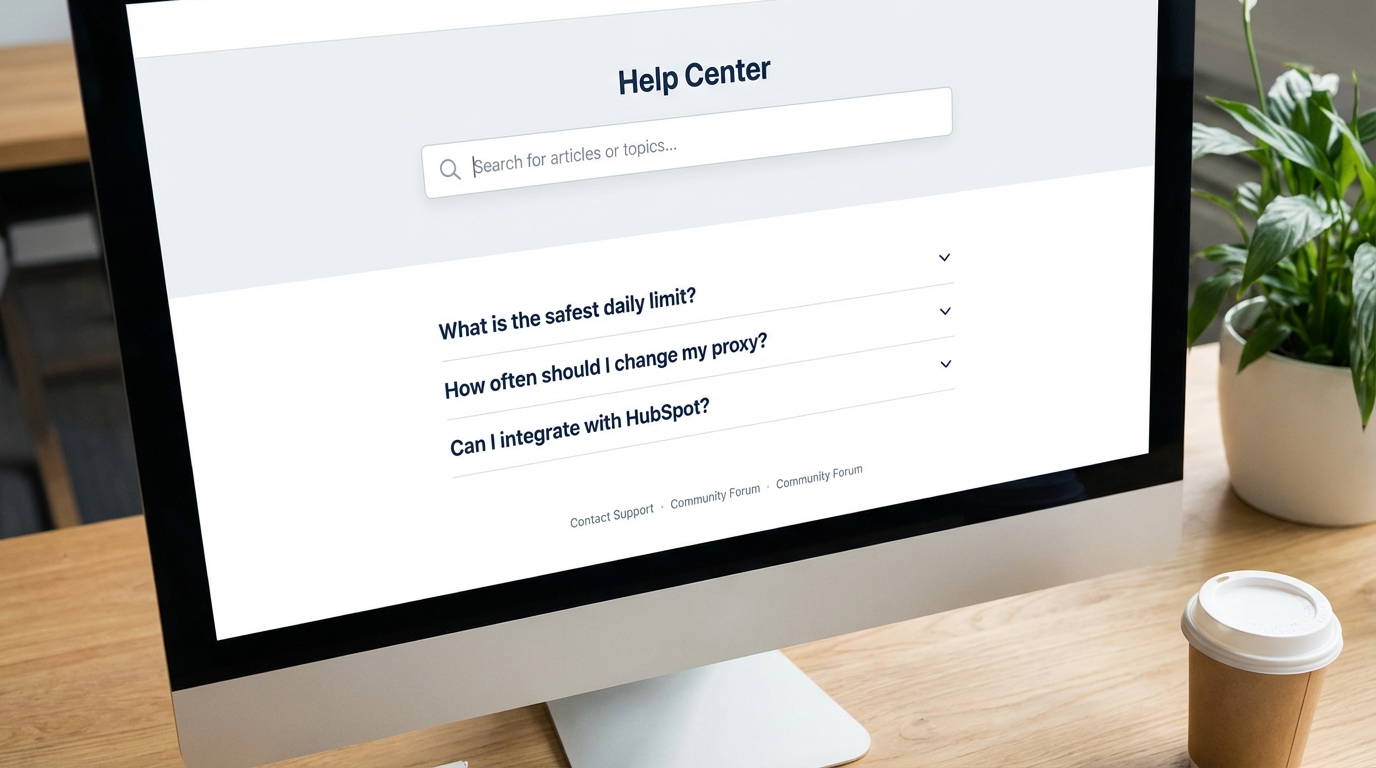
Is LinkedIn Automation Safe and Effective in 2025?
The short answer is yes,provided you use the right technology. LinkedIn actively discourages mass scraping and brute-force spamming. That approach is functionally dead and strategically risky.
Strategic automation requires stringent safety protocols. If your tool adheres to these limits, automation is not only safe but essential for scaling B2B outreach:
- Dedicated, Localized IPs: This masks your automation activity, making it appear as if you are connecting from your specific office location.
- Mimicking Human Behavior (HBM): Tools must randomize delays, clicks, and activity times.
- Strict Daily Limits: Never exceed 20-25 connection requests per day per account.
Chrome Extension vs. Cloud-Based Tools: Which is Better for Scale?
This is a critical distinction for SDR teams. You must choose cloud-based tools.
Chrome extensions are fundamentally flawed for scaling operations:
- They require your browser to be open 24/7.
- They share your home IP, making detection easy and risking account suspension.
- They lack the reliability needed for continuous, high-volume campaigns.
Cloud-based tools run autonomously from dedicated, secure servers. They offer superior safety (dedicated IP masking) and 24/7 reliability. This is the only scalable option for serious, revenue-focused outreach.
What is a ‘Unified Inbox’ and Why Does Our Team Need One?
A Unified Inbox (Unibox) is the central command center for multi-channel outreach. It consolidates every prospect reply into one dashboard,regardless of the source:
- LinkedIn DMs and InMail.
- Verified professional email replies.
- CRM notes and status updates.
Missing a reply is missing revenue. The Unibox prevents this critical failure, streamlines conversation management, and ensures your SDRs maintain industry-leading response speed. We use this functionality to cut reply handling time by 40%.
How Often Should We Update Our AI Outreach Scripts?
You should view outreach scripts as dynamic assets, not static documents. We mandate continuous A/B testing on all top-performing sequences.
- Daily Iteration: The AI should constantly test small variations (subject lines, CTAs) to find micro-improvements.
- Quarterly Refresh: We recommend a full refresh of core messaging and primary value propositions every 90 days. This keeps your messaging fresh and anti-generic.
Your AI platform must be capable of instantly incorporating successful variants across all active campaigns without manual input.
What Are the Absolute Minimum Requirements for Account Safety?
Safety is paramount. Ignoring these rules will result in account suspension and pipeline loss. Ensure your tool enforces the following:
- Dedicated IP Provisioning.
- Strict Daily Limits: Max 25 connection invites, max 100 profile visits.
- Human Behavior Limits (HBM): Randomization of delays, typing speed, and activity windows. No batch processing,ever.
Ready to take the next step?
Stop relying on manual scraping. Use AI to find verified professional emails for 100% of your target accounts. Secure your multi-channel pipeline today.
Start Your Free Trial
Click Here to Scale Your Outreach